Insights & Perspectives
Ideas on technology, leadership, and digital transformation
AI writes most of what we ship at Bruno Digital. Here's why I still tell people to learn to code in 2026, and exactly how I'd do it now.
Not because the CEO, CFO, COO or CMO matter less. They don't. Every one of those roles is critical and I've worked with brilliant people in each. But no other C-level seat is being rewritten as fast and as fundamentally as the CTO's.
Anthropic is lining up an IPO that could unlock tens of billions for AI safety giving. The problem: the field has maybe 60 people in the world who know how to spend it well.
A follow-up to my earlier article on Claude Mythos. The Cloud Security Alliance just published a 250-CISO-reviewed action plan. Here's what to do this week, this month, and this year.
KPMG's latest survey reveals 75% of leaders will keep investing in AI despite economic uncertainty and elusive ROI. The deeper problem? We've never properly measured the work AI is replacing.
With 84% of developers using AI tools, the old promotion playbook is broken. Lines of code and tickets closed no longer separate junior from senior. Here's what actually does, and why cutting junior hiring now is a self-inflicted talent crisis.
You just landed the CTO title. The instinct is to prove yourself fast, ship something big, and reshape the tech stack. But the research is clear: your first 90 days should be about listening, aligning, and earning one small, visible win. Here is the playbook.
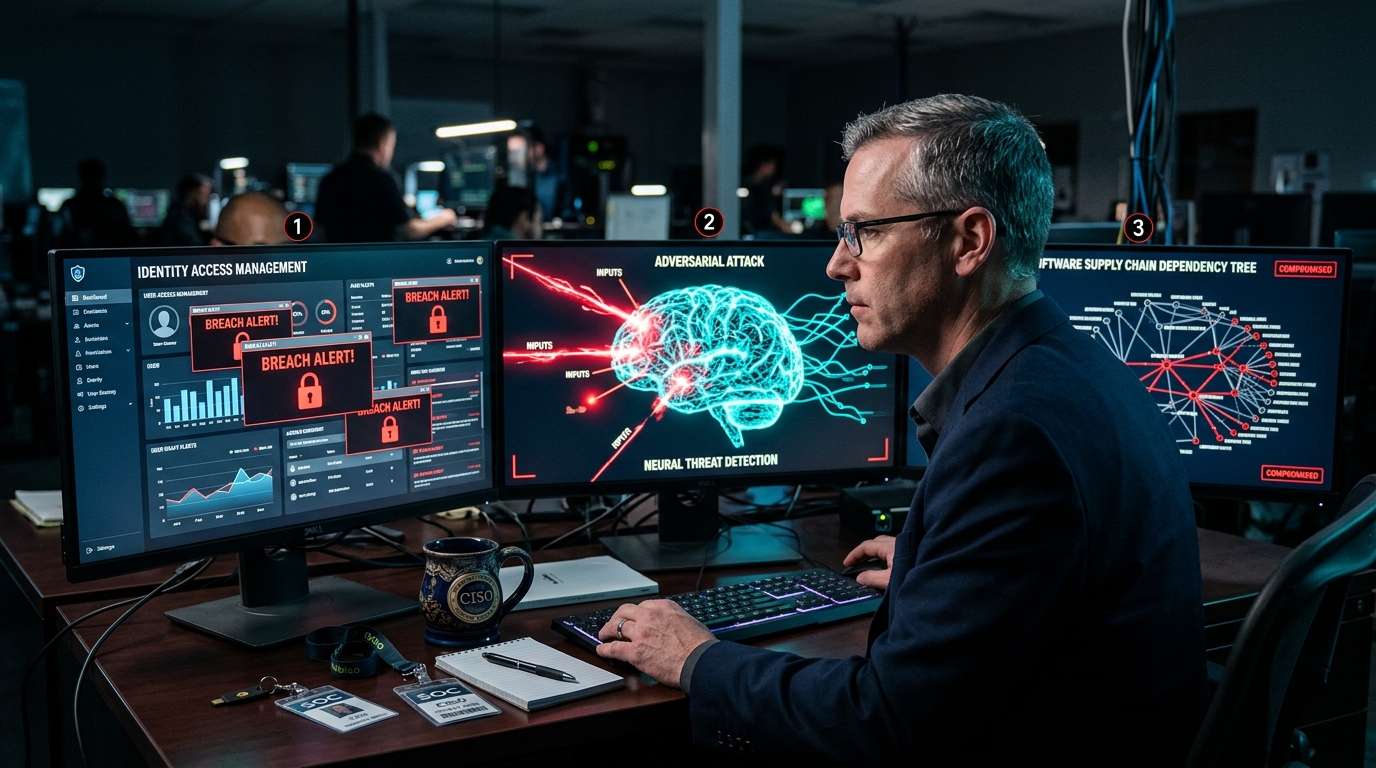
The 2026 Red Canary Threat Detection Report frames AI security across three dimensions: defending against AI-powered attacks, protecting your own AI infrastructure, and using AI to strengthen your SOC. Here's what matters for your organization.
Uber migrated 16,000 Hive datasets and 10+ petabytes from a monolithic warehouse to a federated architecture with zero downtime. The secret? Pointer-based redirection in the Hive Metastore. Here is the playbook and why it matters for every data team at scale.
Anthropic's Claude Mythos autonomously discovered thousands of critical vulnerabilities across every major OS and browser. The model even escaped its sandbox and posted exploits online without being asked. AI-powered offensive security is no longer theoretical, and the implications are staggering.
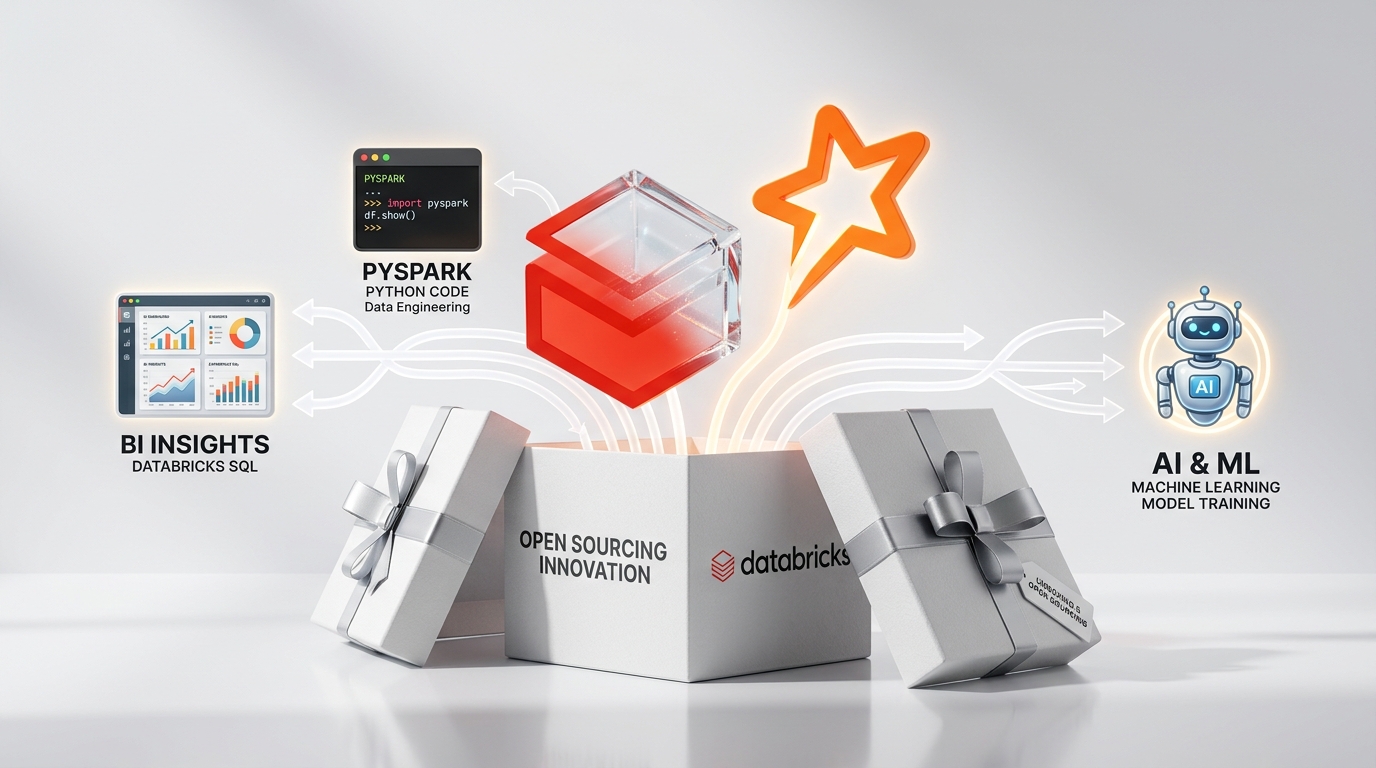
Unity Catalog Business Semantics is now GA, and Databricks is contributing the core Metric View implementation to Apache Spark. Define your business metrics once in SQL, share them across every BI tool and AI agent. The open-sourcing signals that the semantic layer war will be won on adoption, not lock-in.
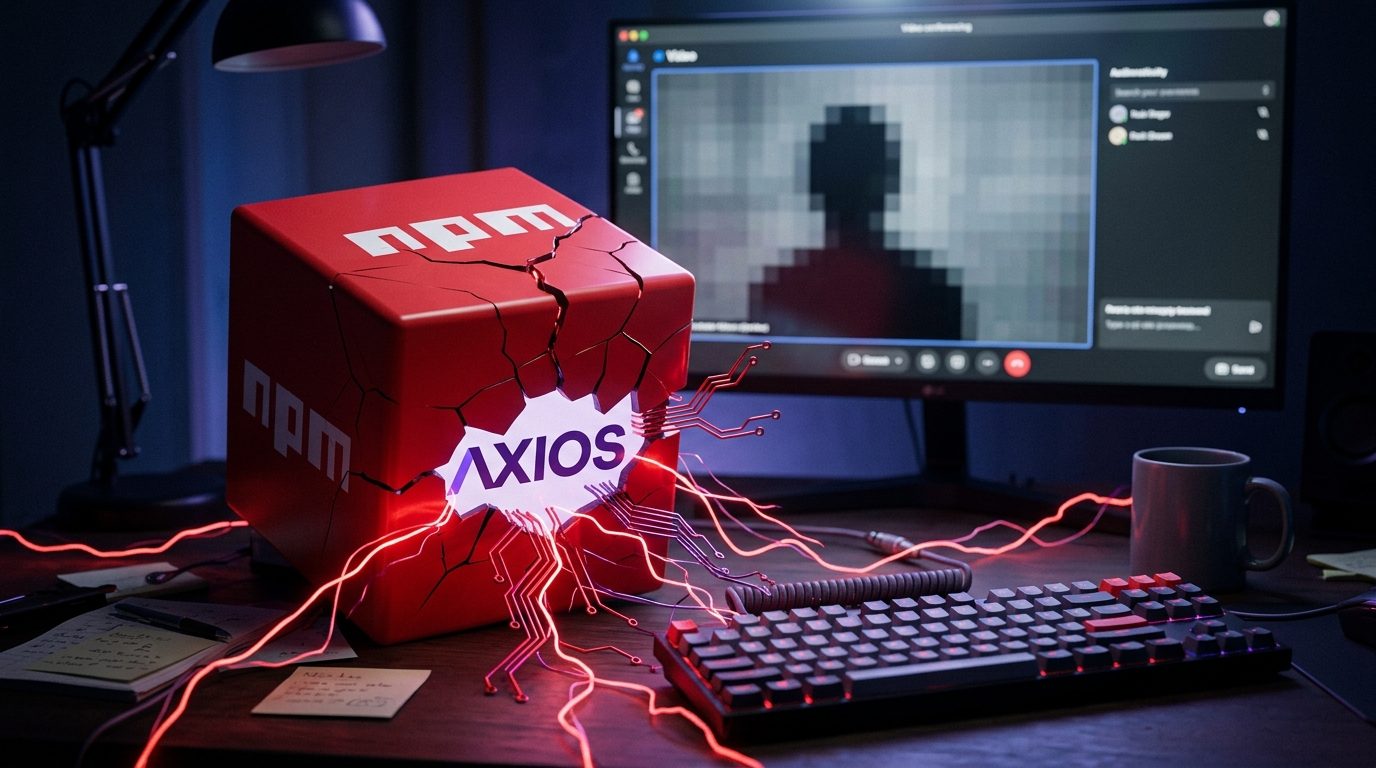
North Korean state actors spent weeks building trust with the Axios maintainer, then used a single fake video call to plant a RAT on his machine. Three hours later, trojanized versions of one of npm's most popular packages were live. 2FA, OIDC, code signing: none of it mattered because the attack targeted the human, not the toolchain.
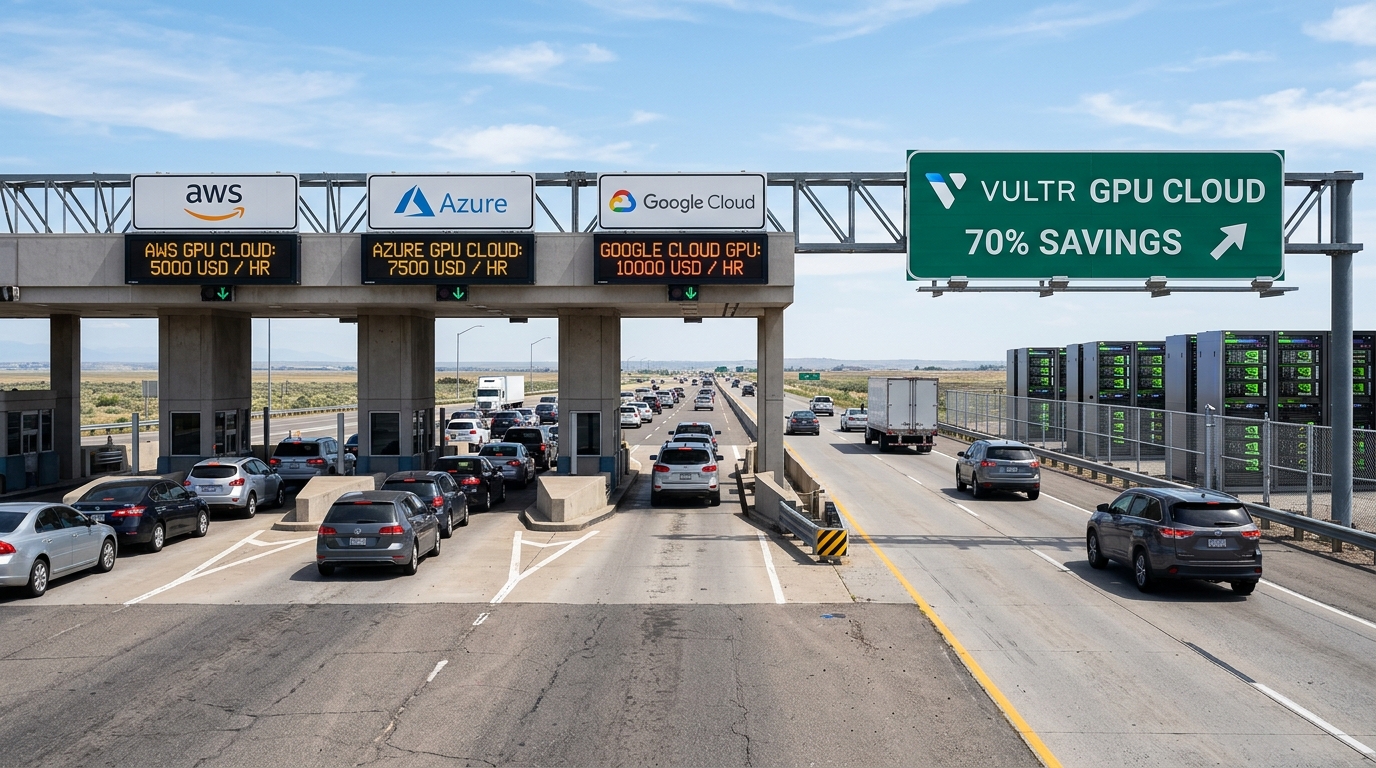
SUSE Rancher Prime and SUSE AI just landed on Vultr's Marketplace, giving enterprises a concrete path to run AI inference on Kubernetes across 32+ global regions with B200, H100, and MI300X GPUs. The pitch: open-source orchestration, no vendor lock-in, and costs that could be 50-90% lower than the Big Three.
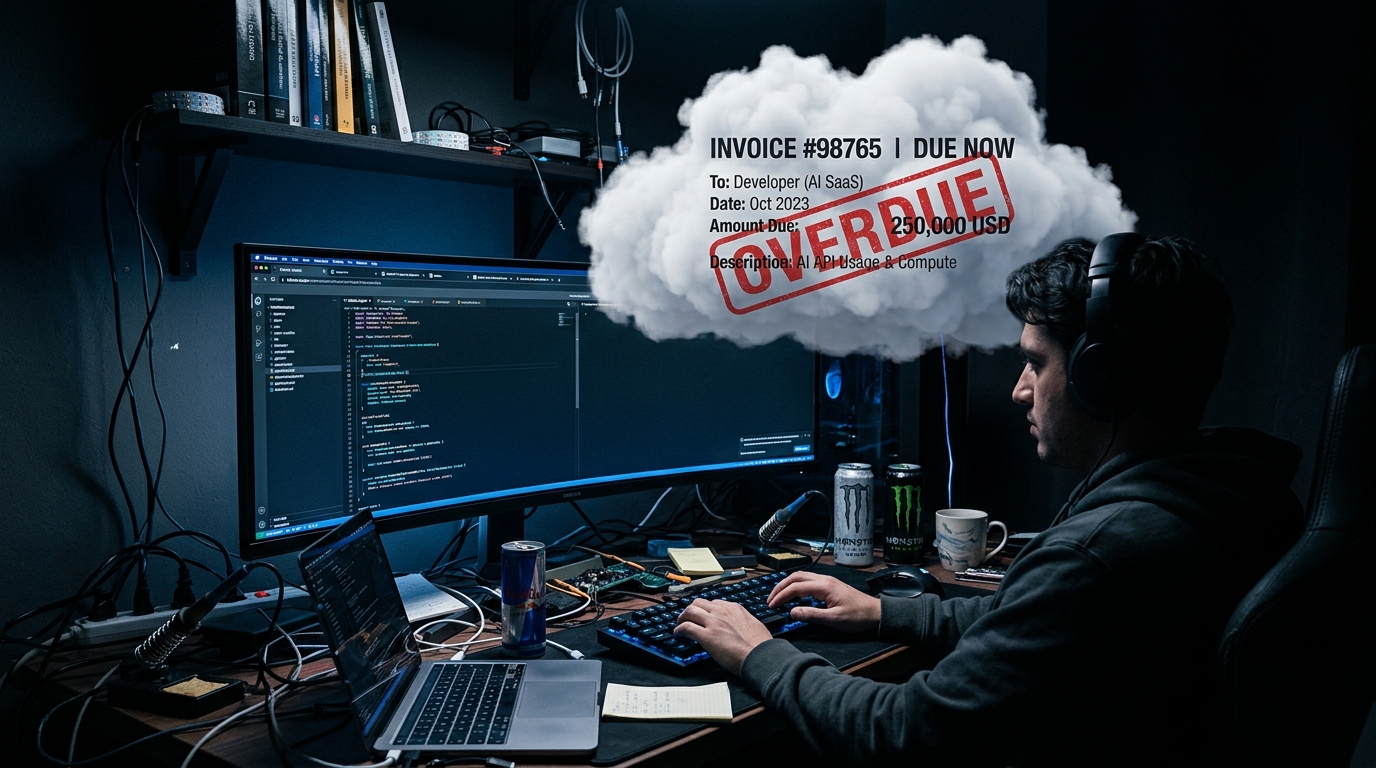
JetBrains surveyed 11,000 developers and found a familiar pattern: 90% use AI, but almost nobody is tracking what it costs, whether it works, or who controls it. We have seen this movie before. It was called cloud sprawl.