TailFin Hires Its First CTO to Fix the Payments Nobody Wants
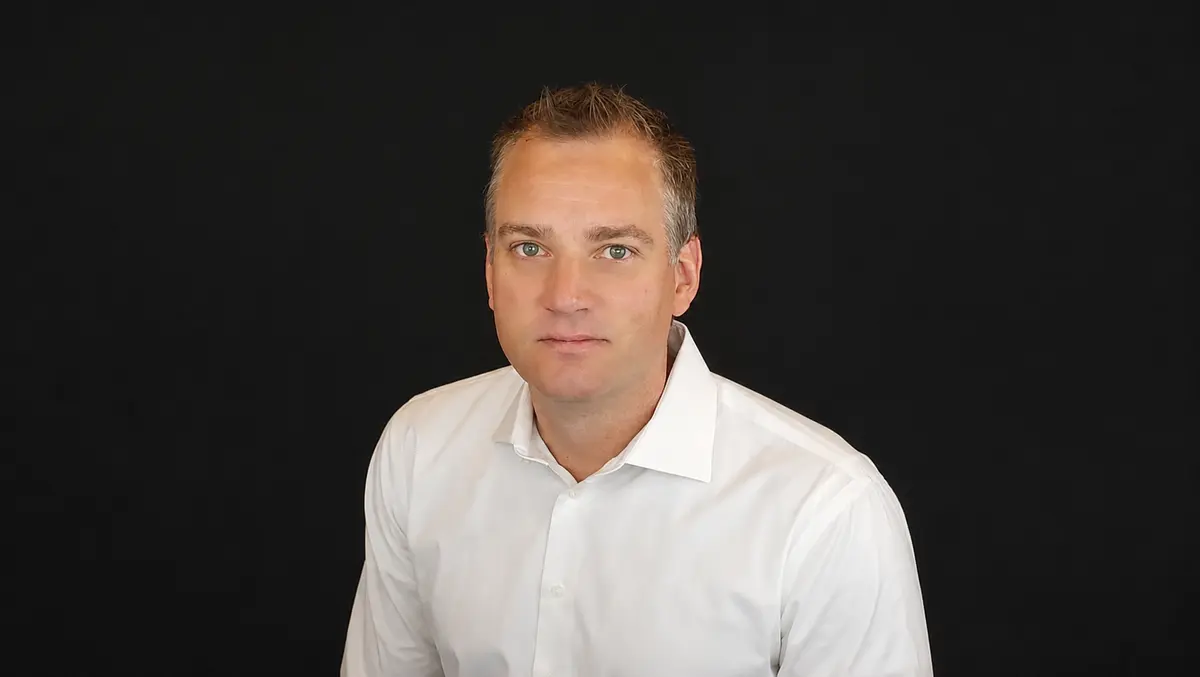
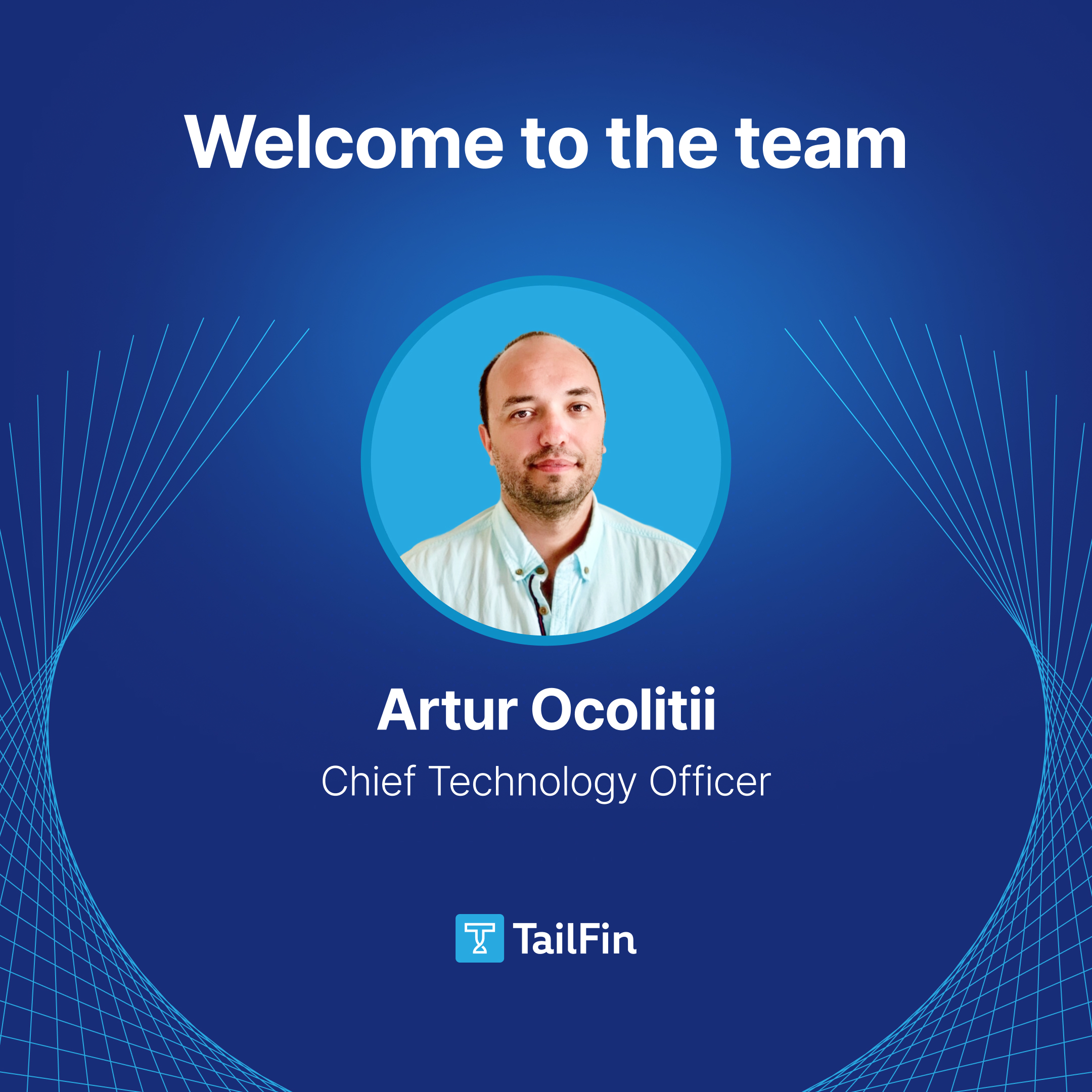
TailFin, the enterprise payments company built around digitizing and automating consumer and small-business disbursements, has named Artur Ocolitii as its first Chief Technology Officer. The appointment, announced on June 18, gives the company a dedicated technology owner as it pushes into a corner of payments that most of the industry treats as an afterthought: the refunds, settlements and other small-dollar payouts that move in the opposite direction of the checkout flow. For a business whose entire thesis is that these flows are stuck in decades-old processes, hiring a senior engineering leader is less a milestone than a precondition for scale.
Ocolitii arrives with more than 20 years of software engineering and leadership experience. Most recently he was Senior Principal Engineering Manager at Worldpay, one of the largest payment processors in the world, and before that he served as Chief Technology Officer at globaledit. His earlier career spans engineering roles at Energy Metrics, UBS and Ciklum, a mix of regulated finance, enterprise software and services that maps neatly onto TailFin's problem space. In other words, this is not a first-time technology executive learning payments on the job. It is an operator who has already built and run engineering organizations inside the kind of systems TailFin is trying to modernize.
Why Disbursements Are Harder Than They Look
The instinct is to assume that sending money out is easier than taking it in. It is not. Inbound card payments ride decades of standardized rails, fraud tooling and processor infrastructure. Outbound disbursements, by contrast, are a fragmented mess of bank transfers, prepaid instruments, checks and wallet credits, each with its own reconciliation logic, compliance posture and failure mode. When a refund or settlement gets stuck, it usually fails silently somewhere in a batch process that was never designed for real-time visibility. TailFin's wager is that this neglected category is large enough, and painful enough, to justify a purpose-built platform rather than a bolt-on to existing acquiring infrastructure.
Chief Executive Donny Hoye framed the scale of the opportunity in the announcement. Every year, he said, billions of dollars in refunds and settlements get stuck in processes built decades ago, and the company is solving for that. He praised Ocolitii's two decades of experience building technology organizations that deliver, adding that he understands how to scale without sacrificing the rigor the company's customers depend on. That last clause is the operative one. In disbursements, rigor is not optional. A missed reconciliation or a duplicated payout is not a degraded user experience, it is real money leaving the building, which is precisely why the engineering bar here is unforgiving.
The New CTO's Read on the Problem
Ocolitii's own framing of the mandate was unusually pointed for an executive announcement. The hardest payments to get right are the small ones, he said, because everyone treats them as an afterthought. But to the person waiting on a refund, it is not small. That sentence does more strategic work than most positioning statements, because it reframes a low-margin, low-glamour category as a customer-experience battleground. For the merchant, a delayed refund is a support ticket, a chargeback risk and a churn signal all at once. TailFin is betting that the businesses issuing these payouts increasingly understand that, and will pay for software that makes the experience reliable.
We find the framing credible precisely because it is unglamorous. The payments market is crowded with companies chasing the high-volume, high-visibility parts of the stack, from checkout optimization to embedded finance. Disbursements have stayed boring, which is exactly where durable infrastructure businesses tend to hide. If Ocolitii can turn TailFin's platform into the default way enterprises handle the long tail of small-dollar payouts, the company will own a flow that is sticky, recurring and structurally underserved. The hard part, as always, is execution under compliance constraints, and that is squarely an engineering leadership problem.
What a First CTO Signals About Company Stage
Appointing a first CTO is a specific signal about where a company sits in its life cycle. It typically marks the transition from founder-led or fractional technical leadership to a stage where the engineering organization itself needs a senior owner to set architecture, hiring standards and delivery cadence. TailFin describing Ocolitii as its first CTO, and explicitly tying the hire to scaling for growing enterprise demand for compliant, digital-first payments, tells us the company believes it has found product-market traction and now needs to industrialize it. That is a different and harder challenge than building a first version of a product.
It also tells us something about the buyer TailFin is courting. The phrase compliant, digital-first business-to-consumer payments is enterprise language, not startup language. Large enterprises buying disbursement infrastructure want to see a named, credentialed technology leader who can speak to security, auditability and uptime in procurement conversations. Hiring someone with Worldpay-scale and capital-markets experience is partly a product decision and partly a go-to-market one, because in regulated payments the credibility of the person running engineering is itself a feature that closes deals.
The Bet We Are Watching
The risk for TailFin is the same risk that haunts every infrastructure company targeting an underserved category: the market may be neglected because it is genuinely hard to monetize, not because no one noticed it. Refunds and settlements are cost centers for the businesses that issue them, which means TailFin has to prove that better disbursement software reduces support load, fraud and churn by enough to justify a recurring spend. That is a real return-on-investment argument, not a vanity one, and it will live or die on the reliability of the platform Ocolitii is now responsible for building and scaling.
Still, the logic of the hire holds together. A company with a clear and unfashionable thesis has brought in a technology leader whose entire career has been inside payments, capital markets and enterprise software, and who articulates the problem in customer terms rather than plumbing terms. If TailFin executes, the small payments everyone ignores could become a meaningful infrastructure business. We will be watching whether the engineering organization Ocolitii builds can deliver the rigor Hoye promised, because in disbursements, trust compounds slowly and erodes in a single failed payout.