A Security Chief Hired to Sell as Much as Defend
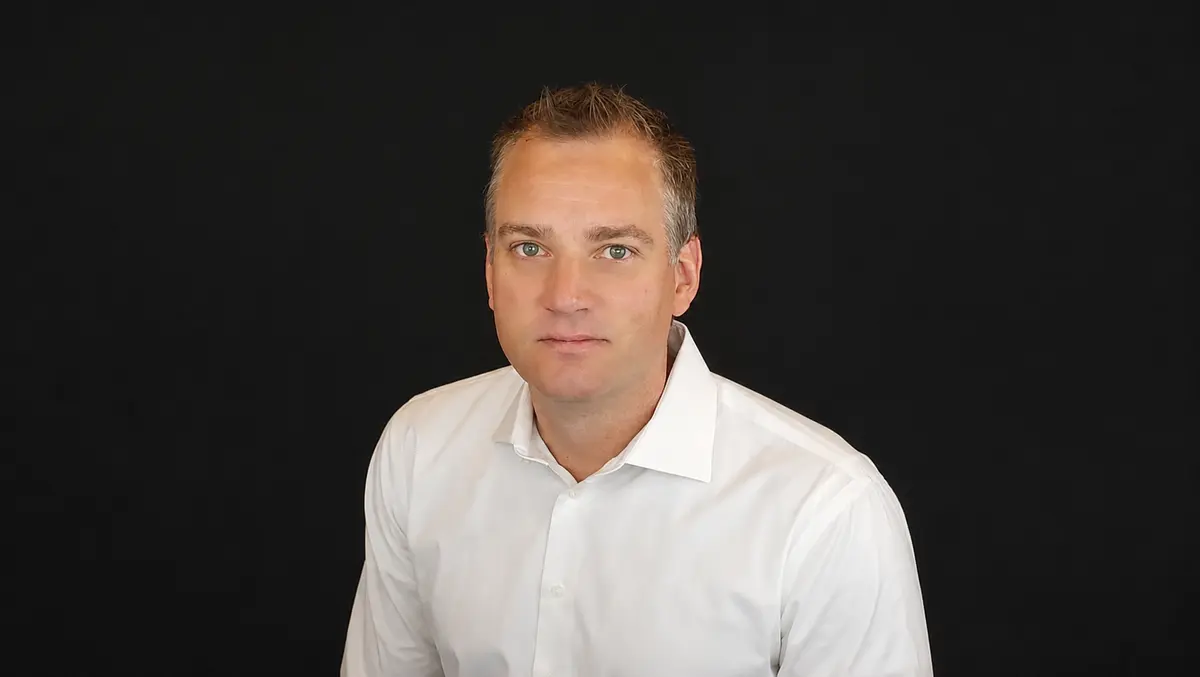
SolarWinds has appointed Justin Henkel as its Chief Information Security Officer, a move reported across the security trade press on June 17 and 18, 2026. On paper this is a routine executive announcement: a vendor names a new security leader, the press release lists the resume, and the market moves on. We read it differently. For SolarWinds specifically, the person who runs security is no longer a back-office function reporting on patch cadence. The CISO has become a customer-facing figure whose credibility is part of the product, and Henkel is being asked to carry that weight from day one.
That framing comes straight from the company. Henkel will oversee internal security, product trust, and customer assurance, a portfolio that explicitly bundles defense with the work of convincing enterprise buyers that SolarWinds can be trusted again. Chief executive Sudhakar Ramakrishna described the appointment in terms of posture and credibility rather than tooling, saying Henkel's breadth of experience across government and industry makes him well positioned to strengthen the company's resilience posture. When a CEO talks about a security hire in the language of trust and resilience, the subtext is commercial. This is a role designed to unlock deals that stalled on security review.
The Resume: Government Intelligence Meets Privacy Tech
Henkel arrives from OneTrust, the privacy and governance software company, where he spent close to five years. He started as head of its CISO Center of Excellence and rose to deputy CISO, building a remit centered on enterprise risk, resilience, and security operations. Before that he served as an intelligence officer in the United States Air Force from 2001 to 2025, a 24-year run that ended just as he moved fully into the private-sector security leadership track. He has also held cybersecurity roles at CME Group and at iSIGHT Partners, the threat intelligence firm later absorbed into FireEye, with a focus on threat intelligence and third-party risk.
The shape of that career matters for what SolarWinds is trying to do. Intelligence officers are trained to think about adversaries, attribution, and the cost of being wrong, which is exactly the mindset a company carrying supply chain scars wants in the chair. The OneTrust years add a different muscle: governance, vulnerability management, and the documentation-heavy world of enterprise risk that buyers scrutinize. Henkel has personal credentials to match, including a master's in intelligence studies and an executive certificate from MIT Sloan. The combination reads as deliberate, a leader fluent in both the threat and the paperwork that proves you have handled it.
Why Sunburst Still Shapes Every SolarWinds Hire
No discussion of a SolarWinds security appointment can skip the obvious. In late 2020, attackers later attributed to a Russian intelligence service compromised the company's Orion build pipeline and pushed a tainted update to thousands of organizations, including US federal agencies. Sunburst did not just damage SolarWinds, it became the canonical example of software supply chain risk, cited in board decks and government policy for years afterward. Any executive joining the company inherits that history whether they like it or not, and any security leader is implicitly hired to make sure nothing like it happens again.
What followed Sunburst was a multiyear rebuild that the company branded Secure by Design, an effort to harden build systems, segment infrastructure, and instrument the development pipeline so a single intrusion cannot quietly poison releases. Henkel's appointment fits that arc rather than reversing it. He is not arriving to launch a turnaround from scratch, he is arriving to institutionalize and extend a program that has already absorbed enormous effort. In his own framing, he sees a company that has shown both singular resilience and genuine innovation, a polite way of saying the hard reset is largely done and the task now is to keep proving it.
The CISO as a Revenue Function
The most interesting part of this hire is structural. SolarWinds is explicitly tying the CISO role to customer assurance, meaning the security organization owns the resilience planning, threat intelligence, and governance evidence that enterprise customers increasingly require before they will sign. In modern enterprise procurement, security questionnaires, attestations, and third-party risk reviews are not a formality at the end of a deal, they are a gate near the beginning. A vendor that cannot satisfy them loses the contract regardless of how good the product is, and a vendor with a visibly credible CISO clears them faster.
For a company whose brand once became a synonym for breach, that gate is higher than it is for most peers. Every prospect's security team has heard of Sunburst, and every renewal conversation carries an unspoken question about whether the lessons stuck. By putting an experienced, government-credentialed leader in front of that scrutiny, SolarWinds is converting its security function into a sales enabler. The CISO becomes the person who can walk into a customer's risk committee and answer the hard questions with authority. That is a meaningfully different job than running an internal security operations center, and it is the job SolarWinds is hiring for.
What This Signals to Other Enterprises
We see the SolarWinds appointment as a marker of a broader shift in what the CISO role is for. The classic model placed the security chief deep inside IT, measured on incidents avoided and audits passed, rarely visible to customers. The emerging model, visible here, pushes the CISO outward toward product trust and commercial assurance, especially at software companies whose customers are themselves under regulatory and board pressure to vet their supply chains. Henkel's blended background, intelligence plus governance software, is precisely the profile that this outward-facing version of the job rewards.
There is a lesson for buyers too. When you evaluate a critical software vendor, the identity and pedigree of its security leadership is now legitimate diligence, not trivia. A vendor that elevates an experienced CISO into a customer-facing assurance role is signaling that it expects to be interrogated and intends to pass. SolarWinds, of all companies, understands that the burden of proof sits with the vendor. Naming a CISO whose resume is built for that interrogation is the clearest way to communicate that the company knows what it is selling now is confidence.
Our Take: A Hire That Fits the Wound
It is tempting to treat executive appointments as interchangeable news, but this one is well matched to the specific problem SolarWinds carries. The company does not have a generic security challenge, it has a trust deficit with a name, and it needs a leader who can both run a hardened program and stand in front of skeptical customers without flinching. Henkel's mix of military intelligence discipline and enterprise governance experience is unusually aligned to that exact requirement, which is more than can be said for many C-suite hires that read like box-checking.
The open question is execution and tenure. Security leaders at high-profile companies operate under relentless scrutiny, and the gap between a strong resume and durable cultural change is where many such appointments quietly fail. Henkel inherits a program with real momentum and a brand that still triggers caution in every procurement review he will touch. If he can keep the internal discipline of the post-Sunburst rebuild while turning customer assurance into a repeatable, evidence-backed motion, SolarWinds gets exactly what it paid for. If not, the company will be writing this same announcement again. For now, the fit is the story, and the fit is good.