A vacancy that lasted longer than it should have
Target operated without anyone holding the chief marketing officer title for well over a year, ever since Lisa Roath was reassigned to chief merchandising officer of food, essentials, and beauty in early 2025. For a retailer whose brand identity has historically been one of its clearest competitive advantages against Walmart and Amazon, going that long without a dedicated marketing chief is a notable gap, one that likely reflected genuine difficulty finding the right external candidate rather than a deliberate strategic choice.
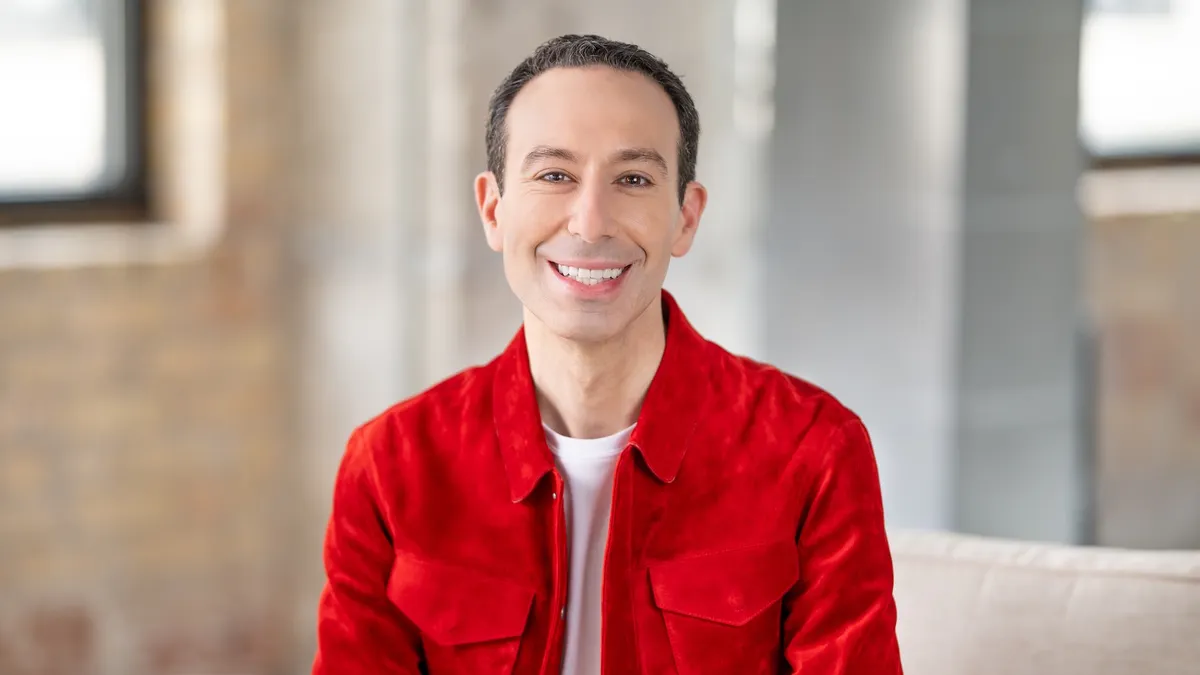
Mark Weinstein closes that gap now, arriving as Chief Marketing and Guest Experience Officer effective September 15 and reporting directly to CEO Michael Fiddelke. The guest experience half of the title matters as much as the marketing half: Target is explicitly asking one executive to own both how the brand is perceived and how customers actually experience it in stores, online, and across the loyalty program, rather than splitting those functions across separate leaders who might optimize for different, occasionally conflicting goals.
Sixteen years at Hilton, translated to retail
Weinstein spent his last six years at Hilton as global chief marketing officer, a role in which he oversaw 28 distinct hotel brands, the Hilton Honors loyalty program, and the company's luxury brand portfolio, before stepping down on September 10, just five days before Target announced his hire. Running marketing across 28 brands under one corporate umbrella is a genuinely useful training ground for a retailer like Target that also has to balance a house brand portfolio, exclusive designer collaborations, and a marketplace of third-party sellers under one overarching Target identity that still has to feel coherent to a shopper browsing all three in the same visit.
Loyalty program experience is the other piece that translates directly. Hilton Honors is one of the more sophisticated loyalty programs in any consumer industry, tightly integrated with pricing, personalization, and cross-brand upsell. Target's own loyalty and membership push, Target Circle, has real scale but has not been as central to the company's marketing identity as Hilton Honors was to Hilton's. Weinstein's mandate almost certainly includes closing that gap.
Roundel and Target+ now report through the brand chief
The new role's scope explicitly includes Roundel, Target's retail media network, and Target+, its third-party marketplace, alongside traditional brand and guest experience responsibilities. That is a meaningfully different organizational choice than treating retail media as a standalone revenue business run by a separate commercial leader answering primarily to finance, which is how several competing retailers still structure their equivalent ad networks, often to the frustration of their own brand and merchandising teams who feel shut out of decisions affecting the customer experience.
Folding Roundel under the CMO rather than under a chief revenue or commercial officer signals Target wants its fast-growing ad business treated first as a brand and guest-experience lever, and only secondarily as an incremental profit center. That is the more defensible long-term position, since retail media networks that optimize purely for ad revenue at the expense of the shopping experience tend to erode the same customer trust that makes the ad inventory valuable in the first place, a trade-off several retailers have learned the hard way over the past two years.
What Fiddelke is signaling with a direct report
CEO Michael Fiddelke's quote framing Weinstein's hire around his ability to understand what consumers value and turn insights into relevant, personal brand connections is fairly standard executive-hire language, but the reporting structure underneath it is the more concrete signal. Keeping the chief marketing officer as a direct CEO report, rather than nesting the role under a chief commercial officer or chief operating officer, keeps brand strategy visible at the very top of the company during a period when Target has faced real pressure on both sales growth and its cultural relevance with younger shoppers.
It also puts Weinstein in regular, direct contact with the same executive making merchandising, store format, and technology investment decisions, which should in theory shorten the distance between a marketing insight and an operational response. Whether that theoretical advantage shows up in faster campaign cycles or sharper merchandising bets over the next two quarters is the real test of whether this org design change amounts to more than a reporting-line reshuffle.
The competitive read for other big-box retailers
Target's hire lands at a moment when several large retailers are rethinking how retail media, loyalty, and traditional brand marketing relate to each other organizationally, rather than treating them as three separate functions that happen to share a customer. Walmart, Best Buy, and others have all made structural changes to their marketing and commercial organizations within the past year, and Target's choice to consolidate rather than fragment further is a useful data point for any retail CIO or CMO currently redesigning their own org chart.
For enterprise technology leaders supporting retail marketing organizations, this kind of consolidation usually means one thing operationally: pressure to unify customer data, loyalty, and ad-targeting systems under a single executive's roadmap faster than the underlying technical integration work is naturally ready for. Expect Target's technology and data teams to feel that pressure well before any external campaign or loyalty feature change becomes visible to shoppers, and expect competing retailers to quietly ask their own CIOs how quickly a similar consolidation could be pulled off if the board asked for it next quarter.