Why a Sovereign Wealth Backed Company Needs Outside Money
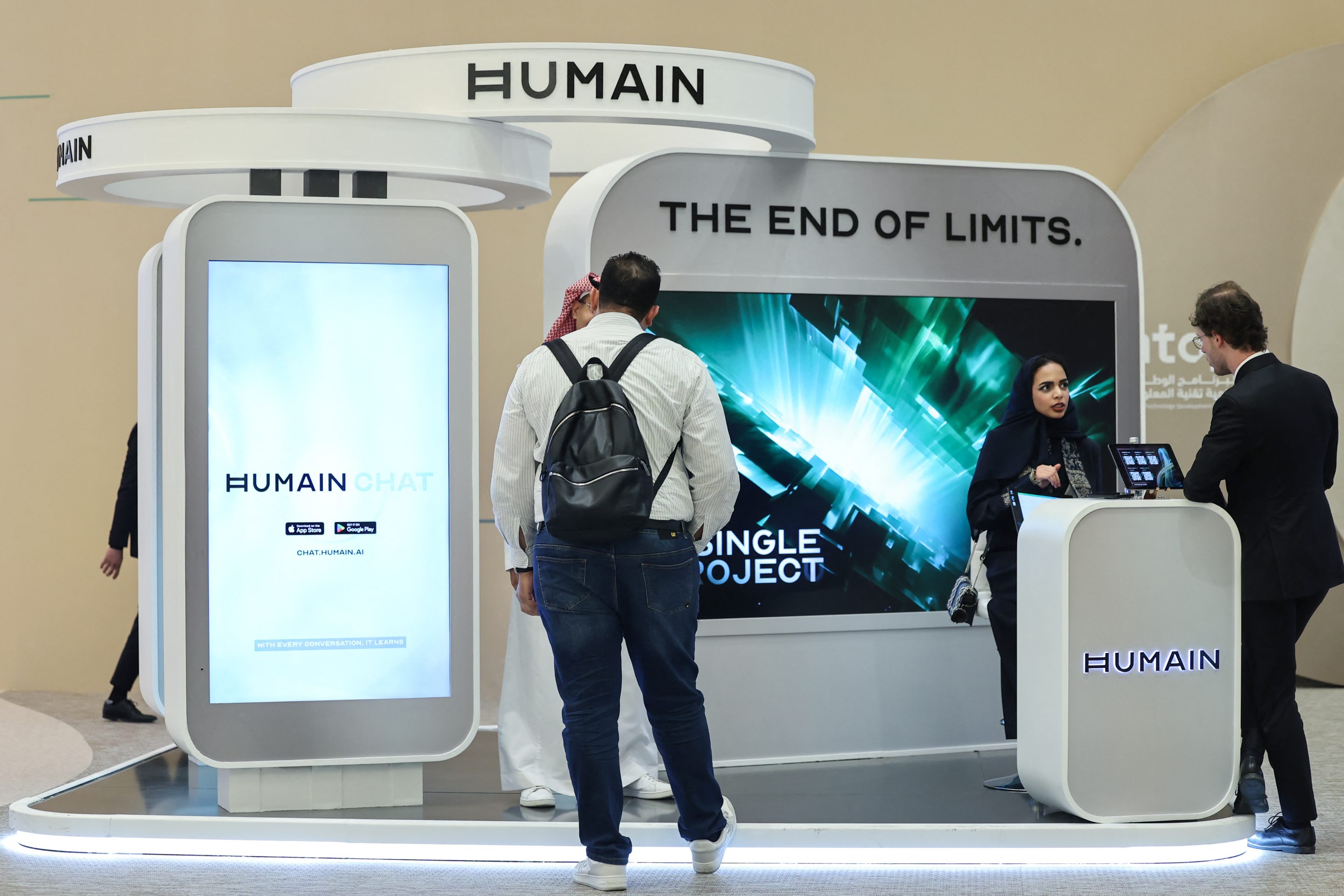
Humain is not a startup short on rich backers. It launched in 2025 as a wholly owned subsidiary of Saudi Arabia's Public Investment Fund, a 904 billion dollar sovereign wealth vehicle, and it has already struck partnerships worth billions with AWS, Qualcomm, and xAI, including a reported 5 billion dollar AWS AI Zone agreement, a 1 gigawatt joint venture with Saudi Telecom Company, and a roughly 500 megawatt data center partnership with xAI. Yet Humain is now raising a dedicated 2.5 billion dollar fund specifically to finance data center construction inside the Kingdom, a sign that even sovereign wealth has limits when the bill for AI infrastructure runs into the tens of billions and the Kingdom's own budget priorities are shifting elsewhere. It has also lined up a 1.2 billion dollar financing agreement with the Kingdom's National Infrastructure Fund for a separate 250 megawatt tranche of capacity, which shows the outside-capital pattern is already well underway rather than newly starting.
The fundraising push comes as Saudi Arabia reins in broader fiscal spending, according to Fortune's reporting, which means Humain increasingly has to make its own case to outside capital rather than simply drawing on PIF's balance sheet on demand. That is a meaningful shift in posture for a company whose value proposition to global AI labs has rested heavily on the idea of unlimited patient capital and cheap land. It also puts Humain in the position of having to compete for the same pool of infrastructure-focused capital that CoreWeave, Nebius, and every other capacity-hungry operator is chasing this year.
The Capital Math Behind the Ambition
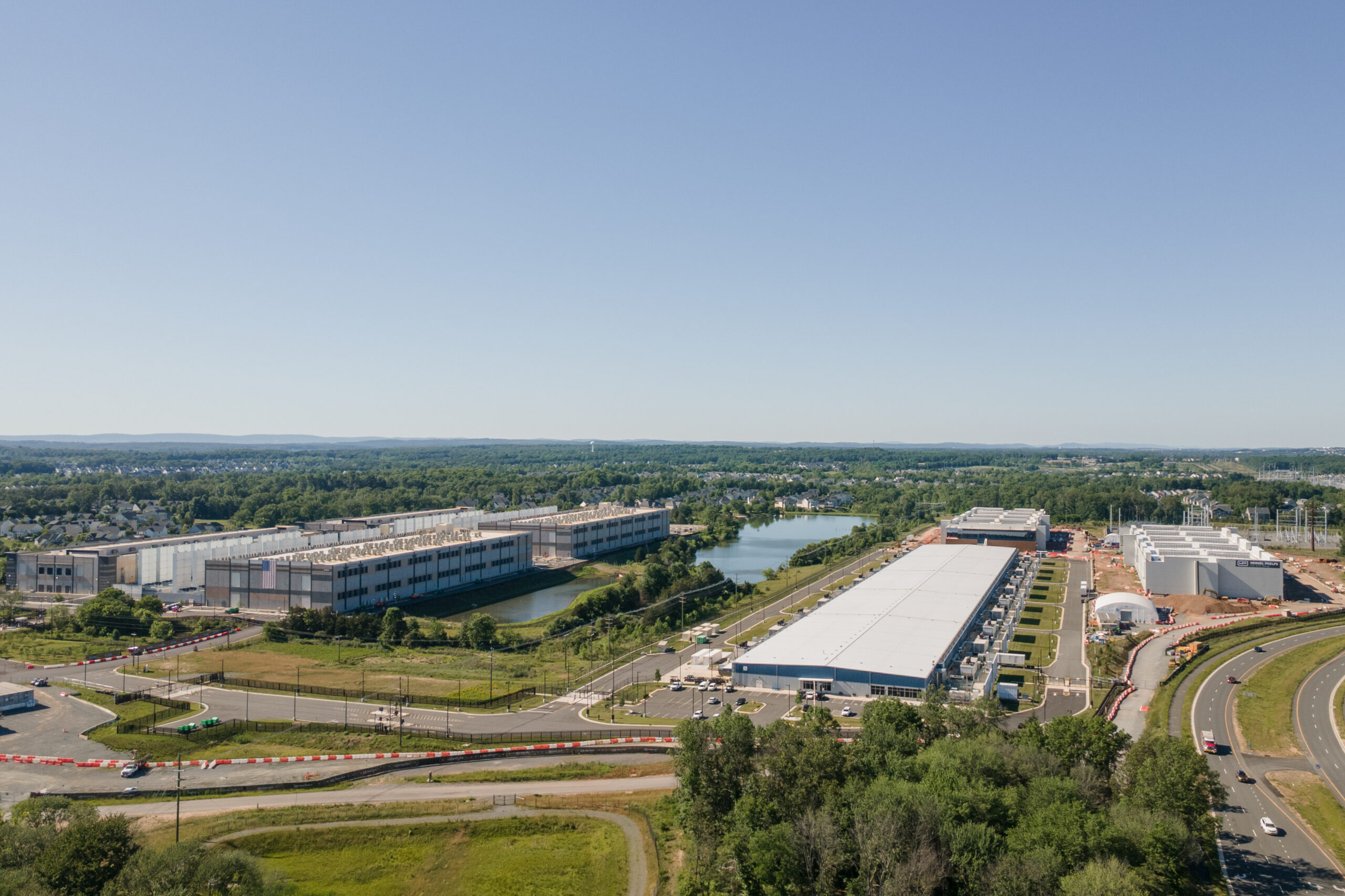
The numbers explain the urgency. Humain's roadmap calls for 1.9 gigawatts of data center capacity by 2030 and more than 6 gigawatts by 2034, up from a Saudi data center base that has grown sevenfold since 2021, from just 68 megawatts to 467 megawatts as of the first quarter of 2026. Closing that gap requires an estimated 42 billion dollars in capital through 2030, and Humain expects roughly 32 billion dollars of that to come from debt rather than equity or direct sovereign contributions, a ratio that looks a lot like the debt heavy capital structures now common across the neocloud sector in the United States. Reaching even the 2030 milestone means roughly quadrupling current capacity in under four years, a construction pace that has strained even hyperscalers with far deeper balance sheets and far more mature supply chains than Humain currently has in place.
That debt heavy structure puts Humain in the same financing position as the neoclouds and hyperscalers building capacity everywhere else, leveraged against future contracted revenue rather than fully backed by cash on hand. The difference is that Humain's revenue case depends partly on geopolitics, specifically on whether global AI labs are willing and permitted to run workloads on Saudi soil at the scale Humain is building for. Export control decisions in Washington, not just customer demand in Riyadh, will end up shaping how much of that 42 billion dollar plan actually gets filled with paying tenants.
A Public Listing as a Financing Strategy
Humain's answer to the funding gap includes a dual listing in Saudi Arabia and New York, targeted for 2029. Kurt Davis Jr. of Alvarez & Marsal framed the logic plainly: "A listing gives permanent capital, audited disclosure, and a public credit story that lowers debt costs." In other words, going public is itself a financing tool, a way to convert PIF ownership into a broader capital base and a credit profile that makes the debt Humain needs to raise cheaper, years before the company would otherwise need to tap public markets purely for growth capital. Filing for that listing also forces a level of audited financial disclosure Humain has never had to produce as a wholly state owned entity, which should make its capacity claims easier for outside customers to verify going forward.
A New York listing specifically also signals where Humain wants to be positioned competitively. Mohammed Soliman of McLarty Associates noted that both G42 and Humain want to stay within the American AI ecosystem, pointing to the UAE's G42 as the closest comparable Gulf AI infrastructure play. Both companies are betting that proximity to US capital markets and US chip supply matters more than full independence from American oversight, and both are effectively asking American investors and regulators to treat them as extensions of the US AI supply chain rather than as competitors to it.
Strings Attached: How Humain's Venture Fund Actually Works
Humain is also building a global venture capital fund, potentially scaling larger than originally outlined by the end of 2026, but it deploys that capital on different terms than a typical financial investor would use. CEO Tareq Amin was direct about the terms: "We don't do passive investments." Portfolio companies are expected to either run workloads on Saudi infrastructure or place workforce inside the Kingdom as a condition of the investment, turning every check the fund writes into a demand commitment for Humain's own data centers as well as a financial bet on the startup itself.
For enterprises or AI startups courted by Humain funding, the practical question extends well beyond valuation and headline terms. It includes what operational commitments to Saudi infrastructure come attached to the check, and whether those commitments fit a company's own data residency rules, export control obligations, and customer concentration limits. A term sheet that looks generous on paper can still be a poor fit if it requires infrastructure commitments a company's existing customers would object to.
Why This Matters Outside the Gulf
Humain's fundraising push is a useful data point for any enterprise weighing a Gulf region cloud partnership against a US or European alternative, because it shows that sovereign backing does not remove the underlying financing math from the equation. The Kingdom's own fiscal tightening means Humain has to compete for capital in the same markets, and under many of the same investor expectations, as CoreWeave, Nebius, or any other capacity provider racing to build gigawatts before its contracts expire.
The practical takeaway is to evaluate Humain, G42, and other sovereign-backed AI infrastructure providers on the same criteria applied to any neocloud: funded backlog, realistic delivery timelines, and a credible plan for the debt that inevitably sits underneath the buildout. Government ownership can lower some risks, particularly political and land-use risk, but it does not automatically lower execution risk, and treating it as if it does is the kind of assumption this fundraising round is quietly correcting.
What This Means Beyond Saudi Arabia
The broader signal for enterprise infrastructure buyers is that sovereign AI ambitions, in Saudi Arabia and likely elsewhere in the Gulf, are running into the same capital intensity problem as everyone else's AI buildout. Cheap land and government backing reduce some costs, but they do not eliminate the multi billion dollar financing gap between announced gigawatt targets and built, operational capacity. Sovereign backing turns out to buy speed and political certainty more than it buys an escape from the underlying economics of building power hungry infrastructure at gigawatt scale.
For CIOs evaluating Gulf region capacity as a diversification play against US siting delays, Humain's fundraising and listing plans are worth tracking as leading indicators. A successful 2.5 billion dollar raise and steady progress toward a 2029 listing would suggest the capacity roadmap is credible and adequately funded on the timeline Humain has promised customers. A stalled raise, a delayed listing, or a scaled-back venture fund would suggest the same execution risk already showing up in debt financed buildouts everywhere else, regardless of how much sovereign wealth sits behind the balance sheet.