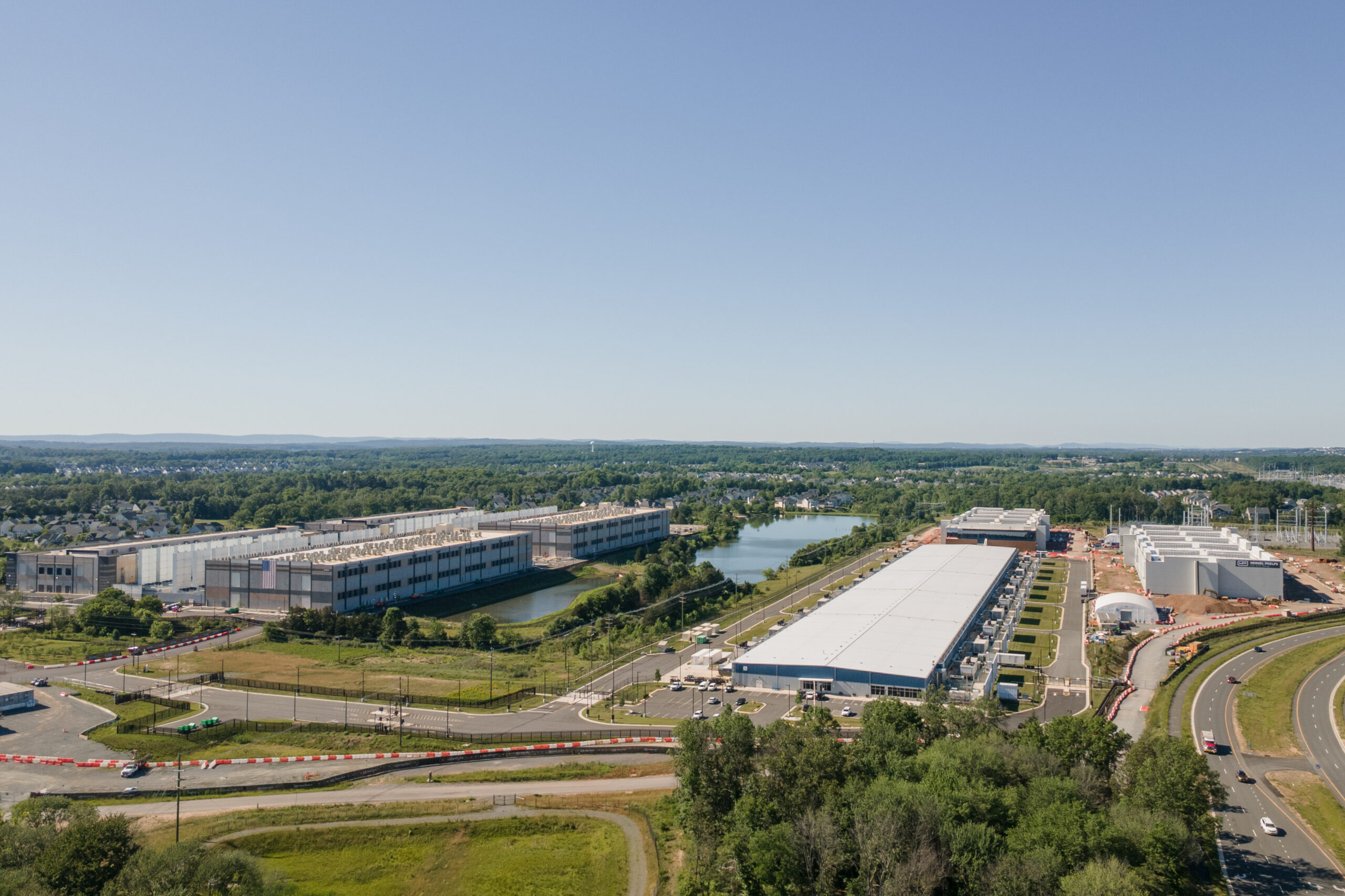
What Abbott Actually Ordered
On September 21, Governor Greg Abbott directed the Texas Commission on Environmental Quality to stop issuing any new environmental permits to data centers until the Electric Reliability Council of Texas, the Public Utility Commission, and the Texas Water Development Board finish auditing every facility's power draw, water consumption, tax incentives, and ownership structure. The order widens a permitting pause Abbott first imposed earlier this year, moving from a narrow review of grid interconnection requests to a blanket freeze on the environmental approvals every large data center needs before it can break ground or expand. Abbott framed the move bluntly: "Simply put, Texans must come first. Data centers must pay their own way, protect our grid and water."
The trigger was a compliance failure. Texas asked every data center operator in the state to report actual water usage, and only 28% responded. Abbott's office treated that shortfall as evidence the industry cannot be trusted to self report the resource strain it is putting on Texas grids and aquifers, and used it to justify freezing approvals rather than negotiating case by case. No other state agency can move forward on a data center matter, per Abbott's directive, until ERCOT, the PUC, and the water board finish collecting the information they say they need.
Why Texas Blinked
Texas built its reputation as the easiest place in the country to site a hyperscale campus: cheap land, deregulated power markets, and a governor who called the state the epicenter of AI development as recently as November 2025. That reputation is now colliding with the physical reality of what gigawatt scale campuses demand from a grid that also has to serve homes and other industry during Texas summers. ERCOT has been warning for over a year that data center load growth outpaces generation additions, and the state's own numbers show generation retirements outrunning replacements even before AI driven demand is counted.
Abbott's shift is also political, not just operational. This is not the first tightening move; the governor froze new project reviews for a state audit back in August, then followed with directives on grid infrastructure costs and developer verification. Each step has been incremental, but the direction is consistent: less benefit of the doubt for operators, more paperwork before ground gets broken, and no committed timeline for when the audits will actually finish.
A Freeze in the Country's Busiest Market
Texas is not a marginal data center market that can absorb a slowdown without consequence. It has attracted more announced hyperscale and AI campus capacity than almost any other state over the past two years, from Stargate affiliated sites to hyperscaler build to suit deals, precisely because permitting there was fast, land was cheap, and power was available on paper through ERCOT's deregulated market. National scale projects like the Oracle and OpenAI Stargate buildout have used Texas sites as flagship locations specifically because the state offered a faster path from announcement to construction than California, Virginia, or the Pacific Northwest. A blanket freeze on environmental approvals in that market carries a different weight than the same freeze would carry in a smaller state with far less capacity riding on it.
Enterprises with capacity commitments tied to Texas sites, whether through direct colocation contracts or cloud regions that depend on those campuses coming online, now have to treat the state's own timeline as a variable rather than a formality. ERCOT, the PUC, and the water board have no published deadline for completing their audits, and Abbott's order gives them the political cover to take as long as they judge necessary. For a facility already under construction, that mostly means paperwork risk. For anything still awaiting a permit, it means the difference between a 2027 go-live date and one that slips well into 2028, with no contractual mechanism available to force the state's hand.
The Pattern CIOs Should Recognize
What happened in Texas is not a one off. Data Center Watch, an industry tracking group, found that opposition blocked or delayed 45 data center projects worth 68 billion dollars in the second quarter of 2026 alone, spread across 49 states and, for the first time, campaigns outside the US in Europe, Australia, and South Africa. Texas is simply the highest profile example of a broader trend: local and state authorities are converting community pushback over water, power, noise, and tax incentives into procedural leverage over permits and interconnection approvals. What used to be a formality, a routine environmental sign off before groundbreaking, is increasingly becoming a checkpoint where a single missed survey deadline or a vocal county commission can freeze an entire pipeline of projects.
The lesson for enterprise buyers is that shovel ready claims from developers, and even from hyperscalers, deserve more scrutiny than they got two years ago. A site with land, power letters of intent, and an announced groundbreaking date can still stall for months once state agencies decide they want more information before signing off, and that stall now shows up as a line item in your own capacity planning. Procurement teams that built vendor timelines around older assumptions about how fast Texas, Georgia, or Virginia could move permits are now working from stale data, and the gap between that old assumption and the current reality is measured in quarters, not weeks.
Other States Are Watching Closely
Texas is not making this decision in isolation from the rest of the country's power and grid regulators. In the PJM territory that covers much of the mid-Atlantic and Midwest, the grid operator has already filed new rules requiring large loads such as data centers to bring their own generation capacity or face earlier curtailment during emergencies, a filing the Federal Energy Regulatory Commission is actively reviewing. Georgia, Virginia, and several other states have introduced their own water and power disclosure requirements this year. Texas's move gives every other state regulator a template: freeze approvals first, demand disclosure second, and let the operators absorb the delay rather than the ratepayers.
For CIOs, the direction of travel matters more than any single state's specific rule. Every major data center market in the country is moving toward more disclosure, more conditions, and less automatic approval for large loads, and that trend shows no sign of reversing before the next wave of AI capacity is supposed to come online. Betting a multi-year infrastructure strategy on any one state's current permitting speed staying constant is no longer a reasonable assumption, and the operators who come out ahead will be the ones building schedule slack into their timelines now, well before the next moratorium hits their own project.
What to Do With This
If you have workloads earmarked for Texas capacity, whether directly contracted or embedded in a hyperscaler's regional roadmap, ask your provider for the specific permits still outstanding and who holds approval authority over each one. On track from a sales team is not the same as TCEQ has issued the permit, and the gap between those two statements just widened materially in the state that mattered most for near term AI capacity. Ask specifically whether the facility's water usage survey response is on file, since that single data point is now the trigger Abbott's office pointed to for the broader freeze.
More broadly, this is the moment to build siting and permitting risk into vendor selection the same way you already model power availability and network latency. States that were reliable a year ago are re-litigating their own rules in real time, and the operators best positioned to absorb that are the ones with diversified regional footprints rather than concentrated Texas bets. Treat political risk as a capacity planning input, not a footnote, and revisit that input every quarter rather than once at contract signing.