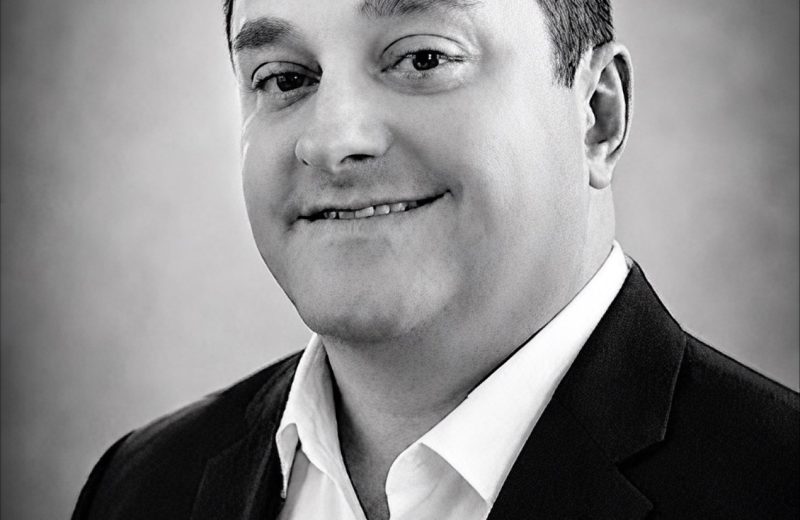
A 16-month CTO tenure ends before the roadmap does
Xero told staff that Rick Carragher, its chief technology officer since May 2025, will leave the ASX-listed accounting platform in August 2026. Sixteen months is a short arc for a role that is supposed to carry a multi-year technical vision. Carragher arrived from Amazon as a marquee hire, part of a deliberate effort to stock Xero's senior ranks with US Big Tech alumni. That pedigree was the pitch to customers and investors alike: serious platform engineering for a company that wanted to be more than tidy bookkeeping software.
The reason given internally was practical rather than strategic. Reporting attributes the decision to heavy travel demands and the difficulty of operating across multiple time zones, a familiar strain for a leader splitting time between hemispheres. We take that at face value while noting what it does not resolve. A CTO who leaves this quickly, whatever the stated cause, leaves open questions about how deeply the technical strategy he championed is now owned by the organization underneath him.
Two senior exits in a month is a pattern, not a coincidence
Carragher's departure is the second senior leadership exit at Xero this month. Chief People Officer Jeff Ryan left quietly in early July, and the two moves together read as more than routine turnover. When a company sheds both its top people leader and a top technology leader inside a few weeks, the internal signal to staff is instability, and the external signal to buyers is that the executive layer is in flux. For anyone mid-way through a Xero implementation, that timing matters.
We flag this because leadership churn tends to travel downstream into product decisions. People officers set retention and hiring policy for the engineers who ship your integrations. Technology officers set the platform bets that determine whether your workflows survive the next architecture change. Losing both in the same window raises the probability of reprioritization, and the odds climb further when the replacements arrive with mandates of their own. Buyers evaluating renewal or expansion should ask directly which commitments predate these exits, which now sit with new owners, and which have quietly slipped a quarter while the seats turn over.
The reporting lines reveal where power actually sits
The CTO title flattered the role. Carragher was in practice Xero's second most senior engineer, reporting into Chief Product and Technology Officer Diya Jolly rather than sitting atop the technical org himself. That structure means the departure removes a strong lieutenant rather than the person holding the platform vision. Jolly remains, and continuity of the top product-and-technology mandate stays with her. For buyers doing diligence, that is a meaningful distinction that a headline about a resigning CTO can obscure.
It also reframes how much to read into the exit. When the top technical authority reports one level down, the seat can be refilled without a strategic reset, provided the layer above is stable. The risk concentrates instead in execution: the person who translated vision into delivery is leaving, and the teams he directed will absorb the handover. We would want to see how quickly the engineering org names a clear successor for that delivery function before concluding the transition is orderly.
The Big Tech rebuild is producing churn alongside credibility
Carragher's May 2025 hire was one piece of CEO Sukhinder Singh Cassidy's rebuild of Xero's senior team around alumni of US technology giants. That strategy buys credibility with investors who want to see disciplined platform engineering and AI fluency at the top of the org chart. It also imports a workforce accustomed to high mobility, where 18-month tenures are common and marquee names move on when the travel, the mandate, or the market turns. The credibility and the churn arrive together.
For enterprise buyers, the lesson is to weight the institution over the individual. A vendor's roadmap should not depend on whether one imported executive stays through the next fiscal year. We advise reading Xero's rebuild as a bet that will take several years to prove out, and pricing in the reality that some of these hires will not last that long. The right diligence question is whether the platform commitments are documented and staffed independently of any single leader's presence.
Payments and AI transformation is the reorg that matters
The incoming hire tells you where Xero is steering. Madhuri Dhulipala, a BlackRock managing director and former Salesforce VP, joins as SVP of Engineering, Payments and AI Transformation, reporting to Jolly. That title is a roadmap statement. Payments extends Xero beyond accounting into the transaction flow where accounting SaaS captures more value, and AI transformation is the defensive and offensive response to fears that generative tools could commoditize the bookkeeping layer that Xero sells today.
We read the swap as substance over symbolism. Xero is trading a general platform engineering leader for one explicitly chartered around payments and AI, the two areas where the company's future revenue and its existential risk both concentrate. Carragher himself framed the ambition earlier, saying Vancouver "sits at a unique intersection of high-caliber talent and global connectivity, making it obvious as we expand products and drive innovation globally." The expansion continues; the personnel steering it are changing.
A 60% drawdown changes how buyers should read all of this
None of these moves happen in a calm market. Xero's stock is down more than 60% from its June 2025 peak, caught in the broader SaaSpocalypse and specific fears that AI could disrupt its core accounting market. A depressed share price pressures compensation, complicates retention of exactly the Big Tech hires the rebuild depends on, and raises the odds of cost discipline that touches product investment. Leadership exits during a drawdown deserve more scrutiny than the same exits during a bull run.
For the CTO or CIO evaluating Xero, this converts a personnel story into a procurement decision. Treat platform-roadmap continuity as a diligence item, not a given: ask which payments and AI commitments are contractually or publicly documented, who owns them after August, and how the vendor's cost posture affects delivery timelines. Build vs buy calculus should factor in the probability of further reorganization. The platform may well emerge stronger from the reset, and a prudent buyer still plans for the transition, staffs internal fallbacks, and keeps integration surfaces loosely coupled until the new structure proves durable. Continuity you can verify beats continuity you assume, especially when the vendor's own leadership chart is being redrawn in real time.