A trade, not a coincidence
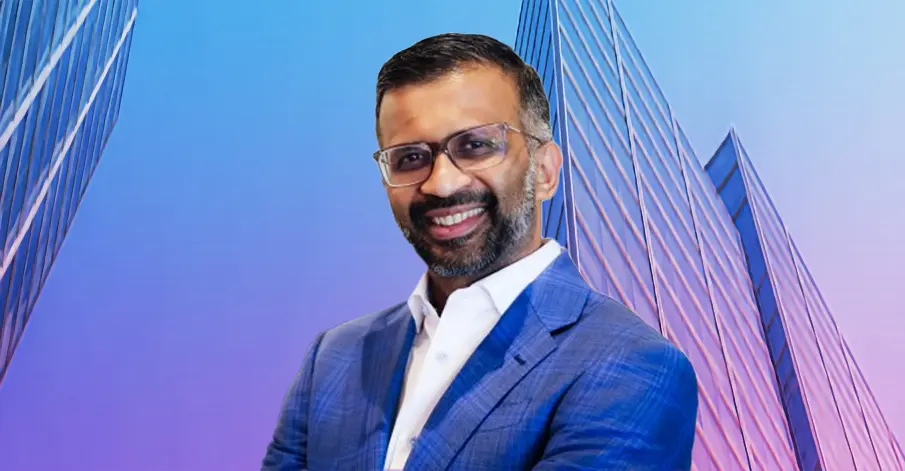
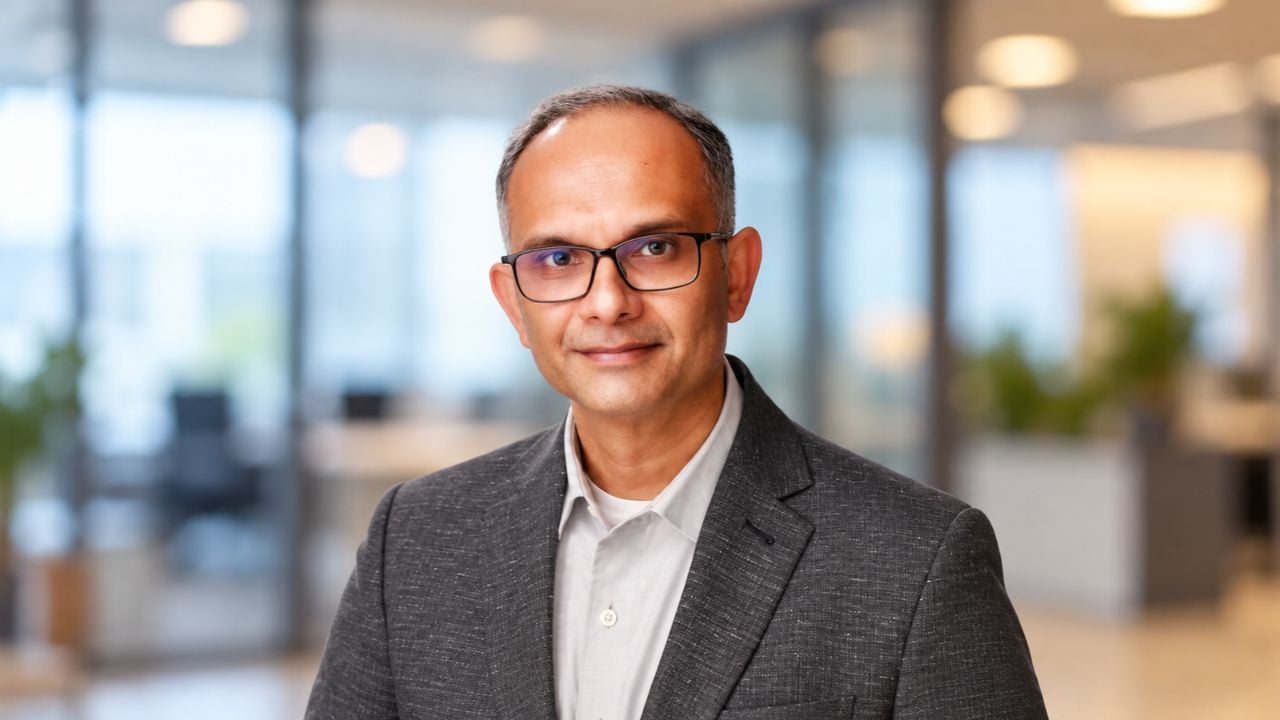
Wipro named Rajesh Kumar R its global chief information officer designate this week. He joins from LTIMindtree, where he spent close to four years as executive vice president and CIO. Within days, LTIMindtree named Mohit Sharma, a seven year Wipro veteran, as its own new global CIO. Neither company framed the moves as connected, but the timing and the direction of travel make this look less like two separate hires and more like a straight swap between rivals.
That matters because global CIO seats at IT services firms of this size rarely turn over, and when they do, companies usually look outside the sector for a fresh perspective. Here, both firms did the opposite. They each hired the person who had just finished doing comparable internal transformation work at their direct competitor, on the theory that the playbook travels better than a stranger would.
What Rajesh Kumar R actually did at LTIMindtree
Kumar joined LTIMindtree in November 2022, right after the LTI and Mindtree merger closed, and spent his tenure on exactly the problem that merger created: two technology stacks, two sets of enterprise systems, and two digital workplace cultures that needed to become one. He also pushed AI adoption across business functions during that period, not as a side project but as part of the core integration work.
That is the specific experience Wipro is buying. Wipro has spent years rationalizing its own internal platforms following a string of acquisitions, and a CIO who has already run a comparable integration at a peer firm, successfully enough to be hired away for it, is a credible signal that the next phase of consolidation has a real plan behind it rather than another slide deck.
What Mohit Sharma brings the other way
Sharma's seven years at Wipro ran through regional CIO duties for Asia Pacific, Middle East and Africa, and service excellence leadership across the company's global business lines. Before that he spent time at Genpact and A.P. Moller-Maersk, giving him exposure to IT operations inside both a services firm and a logistics enterprise, a combination that fits LTIMindtree's own mix of delivery and client facing technology work.
LTIMindtree is still working through its own post merger consolidation, three years after the LTI and Mindtree deal closed, which is longer than most analysts expected integration to take. Bringing in a CIO whose specialty is service excellence inside a large distributed IT organization suggests the company is prioritizing operational discipline over a fresh strategic pivot.
Why the IT services sector keeps recycling its own CIOs
The pattern here is not unique to these two firms. Technology leadership in Indian IT services has long moved within a tight circle of companies: Wipro, Infosys, TCS, HCLTech, Cognizant, and the merged LTIMindtree all draw from overlapping executive pools. The skills a global CIO needs at this scale, running enterprise systems across hundreds of thousands of employees spread over dozens of countries, are specific enough that few executives outside the sector have them.
That concentration cuts both ways for the companies involved. It shortens the ramp up time for a new CIO, since Kumar and Sharma both already understand how an IT services firm of this size actually operates. It also means neither company is importing genuinely new thinking from adjacent industries, at a moment when enterprise technology leadership increasingly rewards exposure to how AI native companies build and ship.
What CIOs elsewhere should take from this
For CIOs and CTOs watching from outside IT services, the lesson is less about these two specific hires and more about what the market is signaling. Post merger technology integration experience has become a distinct, portable credential, one that companies will pay to import rather than build internally. If your organization has recently been through a merger and successfully unified its systems, that experience now has a visible market value.
It is also a reminder that transformation leadership is judged on delivery, not tenure. Kumar's roughly four year run and Sharma's seven year run both ended in a lateral move to a bigger seat at a direct competitor, which is a stronger signal of success than any internal promotion announcement would have been.
What to watch next
Neither company has published a start date or a first 100 day agenda for its new CIO, so the real test is still ahead. Watch for how quickly Wipro folds Kumar's integration playbook into its own consolidation roadmap, and whether LTIMindtree's AI adoption pace changes once a CIO steeped in Wipro's delivery discipline is running the function.
The broader takeaway for enterprise buyers of either firm's services is that both companies are investing real executive attention in their own internal technology, at a moment when clients are asking IT services vendors to prove they can run AI and governance well internally before trusting them to do it externally.