A loan aimed at nuclear capacity that is already spoken for
The Department of Energy is providing Constellation Energy a conditional 5 billion dollar loan commitment to expand nuclear capacity across eight plants: Braidwood, Byron, Clinton, Dresden, LaSalle, and Quad Cities in Illinois, Calvert Cliffs in Maryland, and Limerick in Pennsylvania. The plan involves uprating 11 reactors, meaning increasing their output, often through more highly enriched uranium and upgraded equipment, for a combined gain of roughly 1.1 gigawatts.
The detail that matters most for enterprise technology readers is who gets that new power. Google has claims on Limerick and four of the Illinois plants, Amazon has a 20 year power purchase agreement tied to Calvert Cliffs, and Meta has effectively claimed all of Clinton's output. This is not new generic grid capacity, it is capacity built specifically to serve named hyperscaler customers, financed partly with federal loan support.
The affordability claim that nobody is confirming
The Department of Energy describes the loan as supporting affordable, reliable power to American homes and businesses, a framing that implies broad public benefit. Constellation's own press release says the financing could lower financing costs for the projects, but the company did not confirm to reporters that the arrangement will maintain or lower electricity rates for residential customers, and the DOE has not produced evidence that it will.
That gap between the public justification and the actual beneficiaries is the story here. Cheaper financing for Constellation could flow through to lower prices for the hyperscalers buying this power under long term contracts, to improved margins for Constellation itself, or to some combination of both, but there is no stated mechanism connecting this specific loan to lower bills for the households the DOE's language invokes.
Why hyperscalers are turning to nuclear specifically
Nuclear power offers something increasingly scarce and valuable to AI data center operators: large, reliable, carbon free baseload capacity that does not depend on weather or daily demand cycles the way wind and solar do. For companies running training clusters that need constant power delivery around the clock, nuclear's operating profile fits the requirement better than most renewable alternatives can on their own.
Constellation's disclosure that it has already committed more than 7 billion dollars to add 1,080 megawatts for these buyers, independent of this new federal loan, shows the scale of private capital already flowing into this specific niche. The federal loan on top of that private commitment suggests Washington sees nuclear uprates for AI demand as strategically important enough to subsidize directly, rather than leaving the financing entirely to private markets.
The political backdrop this collides with
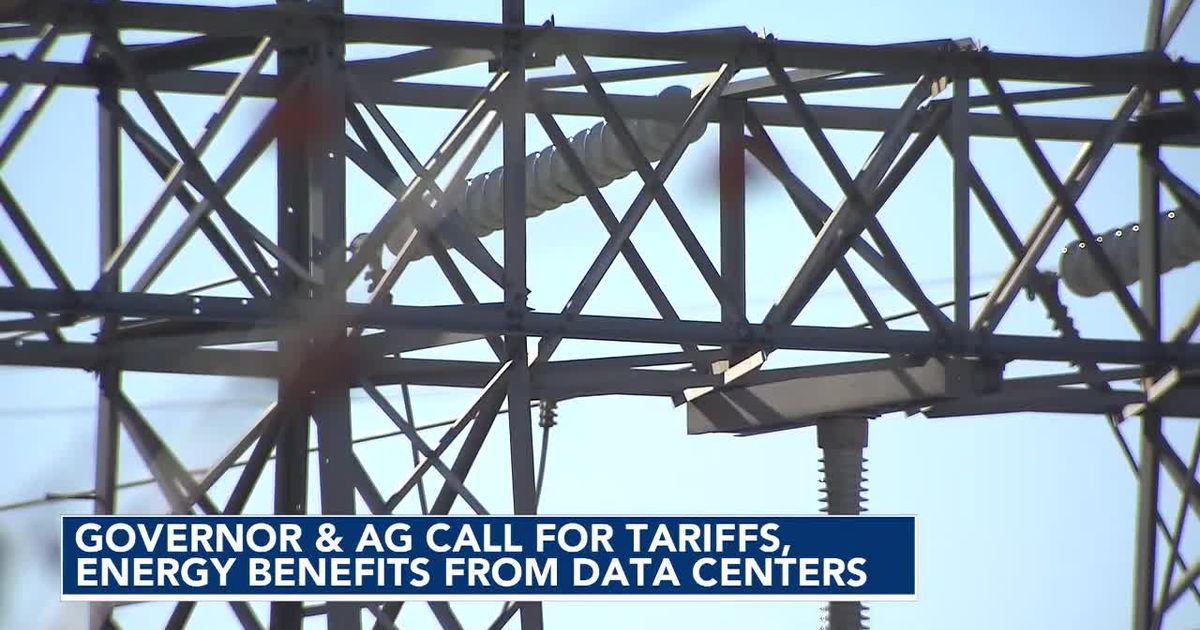
This loan lands in the same week that North Carolina's governor publicly pushed for data center specific electricity tariffs, arguing hyperscalers should pay their fair share of grid costs rather than passing them to other ratepayers. The contrast is stark: one state government is trying to make tech companies pay more for the power they consume, while the federal government is simultaneously subsidizing the financing of new nuclear capacity that tech companies will primarily consume.
That tension is not going to resolve cleanly, and it puts enterprise technology leaders in an uncomfortable position if their own data center or cloud consumption becomes a visible target in state level rate fights. Expect more states to follow North Carolina's lead in proposing large load tariffs even as federal financing continues flowing toward exactly the capacity those tariffs are meant to make more expensive.
What this means for enterprises buying cloud and colocation capacity
If your organization relies on cloud capacity from Google, Amazon, or Meta's infrastructure, this loan is a reminder that the power behind your workloads increasingly comes from purpose built, long term contracted generation rather than general grid supply. That has implications for sustainability reporting, since power sourced under a dedicated nuclear purchase agreement carries a different carbon and reliability profile than grid average power, and vendors should be able to speak to this when asked.
It is also worth watching whether this federal financing model expands. If the DOE continues structuring loans around specific hyperscaler demand commitments rather than general grid need, that becomes a template other utilities and data center operators will seek to replicate, which could accelerate how quickly dedicated power capacity gets built for AI infrastructure relative to the broader grid upgrades residential and commercial customers need.
The open question this raises
The unresolved question is accountability: if hyperscaler demand is effectively directing where federal energy financing flows, what obligation does that create for those companies to ensure the public benefit the DOE claims actually materializes. Right now, the answer from both the agency and Constellation is silence rather than a specific commitment.
Enterprise technology leaders with any stake in energy policy, whether through data center operations, sustainability commitments, or simple reputational exposure as beneficiaries of publicly financed infrastructure, should expect this question to get louder as more of these deals become public. The Constellation loan will not be the last example of the federal government financing power capacity whose primary customer is already a named big tech buyer.