An internal pick for a brand new seat
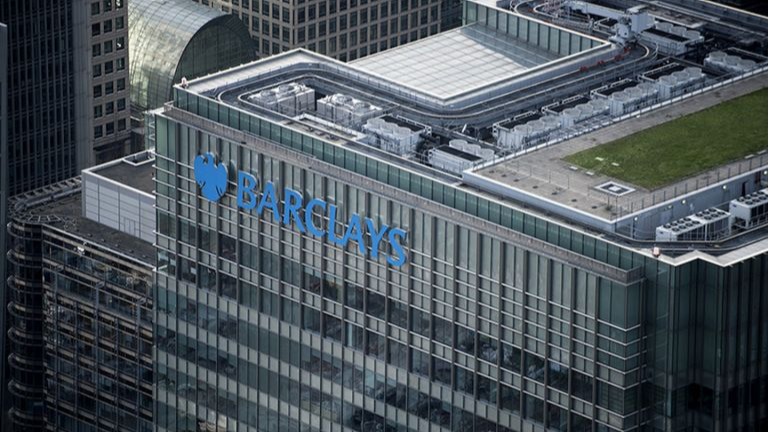
Barclays named Anita Tanna as its first chief AI officer this week, elevating her from the role of group chief of staff rather than recruiting an outside AI executive. Tanna joined Barclays in 2021 and worked in equity sales within the corporate and investment bank before moving into the chief of staff role, where she spent several years sitting across the bank's major internal initiatives. Before Barclays, she spent almost twelve years at Citi in senior sales leadership, including heading UK equity sales and international sales, experience that gave her a reputation for building coalitions across trading desks.
The choice to promote from within a function most banks still treat as a technical hire is itself a statement about where Barclays sees the real difficulty in enterprise AI adoption. For a regulated bank, understanding the models is the easier half of the problem. The harder half is understanding how the bank's committees, risk appetite, and competing business priorities actually interact, and that is the skill set Tanna's internal career built.
What the mandate actually says
Barclays described Tanna's job as leading the push to bring AI into more of the group's work, focused on where it can create the most value, while keeping use careful and accountable. That is governance language first, deployment language second. For a bank with Barclays' regulatory footprint across the UK, US and EU, that ordering is deliberate: a chief AI officer who leads with risk framing is easier for the board and regulators to sign off on than one who leads with a growth target alone.
It also tells competing banks where Barclays expects the next competitive fight to sit. Model capability has become a commodity across the major providers banks license from. The scarce resource now is organizational trust: whether legal, risk, and compliance teams trust a deployment process enough to let a use case scale past a pilot, which is exactly the terrain a former chief of staff is built to operate on.
Why chief of staff is good training for this
A chief of staff role at a bank the size of Barclays means sitting across every major internal initiative and knowing which executives actually control budget, headcount, and priority. That cross functional visibility is exactly what makes AI rollouts succeed or stall at large institutions, since the blockers are rarely technical. They are usually about which business line gets the first production use case, who owns the model risk sign off, and how fast legal can review a new vendor contract before a pilot can even start.
Tanna's LinkedIn comments on the appointment leaned on relationship building language, saying she is 'excited about what we can achieve together,' which suggests Barclays wants a coalition builder in this seat more than a model architect. The actual AI engineering will keep sitting with existing technology teams, leaving her job as clearing the organizational path so those teams can ship faster than they otherwise would.
The regulatory backdrop driving this
UK and EU financial regulators have spent the past two years pushing banks toward named accountability for AI systems rather than diffuse committee ownership, echoing the same logic that produced the UK's senior managers regime for other risk categories. A chief AI officer gives Barclays a specific, named executive to point to when regulators ask who owns model risk, explainability, and bias testing across the bank's growing AI footprint, rather than a rotating cast of committee members.
That regulatory pressure is likely to spread well beyond Barclays. Banks that still run AI governance through a cross functional committee rather than a single accountable executive will increasingly need to explain why, especially as peers make the organizational chart visible and public, turning what used to be an internal structural choice into a competitive and supervisory talking point.
What this means for other CIOs and CTOs
The lesson for technology leaders outside banking is to copy the logic rather than the title. If an organization's AI rollout is stuck, the blocker is more often an unclear owner for risk and prioritization decisions than a shortage of model access. Barclays just put a name and a reporting line behind that decision, which forces internal debates to resolve faster because there is now a single person whose job depends on resolving them.
It is also worth watching whether Tanna's background becomes a template across the industry. Promoting an internal operator with deep cross functional credibility into an AI leadership seat, instead of hiring an outside technologist, may become the default pattern at large regulated enterprises where trust and internal navigation matter more in year one than technical depth does.