A data and AI specialist in a generalist's chair
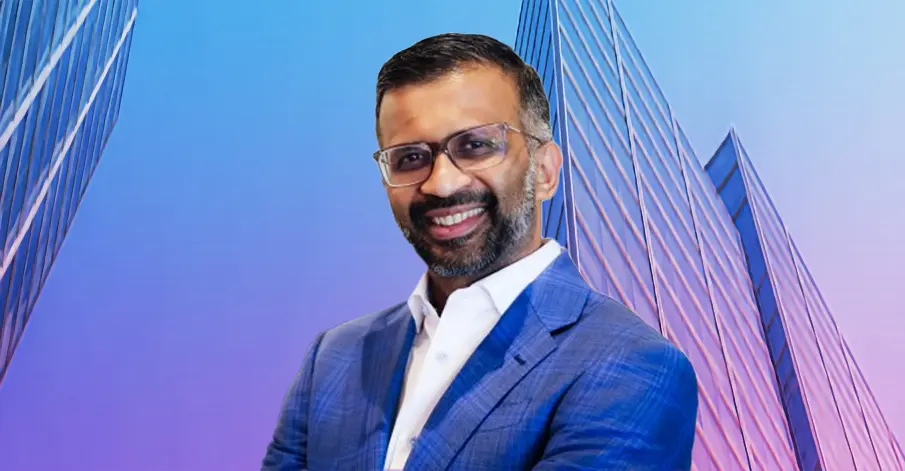
NiCE named Rajesh Shriyan as its new chief information officer this week, hiring him away from NetApp, where he spent fifteen years and most recently served as vice president of AI, data, enterprise architecture and applications. That title, more than any generic 'VP of IT' label, tells you what NiCE is actually buying: someone whose recent job was specifically building AI and data capability inside a large enterprise, not someone whose background is infrastructure uptime and service desk management.
Before NetApp, Shriyan spent more than a decade at Cisco building expertise in IT architecture, giving him a foundation in enterprise networking and systems design that predates the current AI cycle by years. That combination, deep architecture fundamentals plus recent AI and data leadership, is becoming the preferred profile for CIOs at software companies that need their internal technology to double as a credible reference customer.
Why NiCE needs this specific profile
NiCE sells AI powered customer experience, workforce management, and financial crime compliance software to large enterprises. A CIO who cannot point to a modern, AI enabled internal stack is a liability for a company whose entire sales pitch rests on AI delivering measurable operational gains. Prospective customers increasingly ask vendors how they run their own internal operations before trusting the vendor's platform for their own.
Shriyan's mandate, as described by NiCE, covers enterprise applications, data, infrastructure and IT services broadly, alongside advancing internal AI adoption specifically. That breadth suggests the company wants one accountable executive across both the plumbing and the AI layer, rather than splitting those responsibilities between a traditional CIO and a separate chief AI officer, the model Barclays chose this same week for a very different reason.
Quote to cash as the proving ground
Among Shriyan's named priorities is modernizing quote to cash operations, the chain of processes from generating a sales quote through contracting, billing, and revenue recognition. It is one of the most process heavy, document intensive workflows inside any enterprise software company, and one where AI driven automation already shows measurable cycle time and error rate improvements in production deployments elsewhere.
Picking quote to cash as an early, named target rather than a vaguer 'digital transformation' mandate suggests NiCE wants a visible, quantifiable win inside its first year under the new CIO, the kind of result that can be cited externally in sales conversations and investor updates alike.
The broader pattern among enterprise software vendors
NiCE's hire fits a pattern spreading across the enterprise software sector: vendors recruiting CIOs with hands on AI and data operating experience rather than classic infrastructure backgrounds, specifically because their own product roadmap depends on AI credibility. A CIO who built AI and data capability at a storage and data management company like NetApp arrives with firsthand experience of the governance, data quality, and integration problems that make enterprise AI projects stall.
That experience is more valuable to NiCE than generic cloud migration expertise would be, because the company's customers are evaluating NiCE's own AI maturity as part of their buying decision. A CIO who has already solved these problems once, at a company whose core business is also data infrastructure, shortens the credibility gap NiCE's sales team has to close.
What other enterprise tech buyers should watch
CIOs and CTOs evaluating vendors like NiCE should treat this hire as a signal worth asking about directly in procurement conversations. A vendor that has just installed an AI and data specialist as its own CIO is implicitly inviting the question of what that CIO's first year priorities will change in how the product itself gets built and supported.
More broadly, this hire adds to a growing list of enterprise software companies putting AI and data operators directly into the CIO seat rather than treating AI leadership as a separate bolt on function. Watch whether that becomes the default hiring pattern across the sector over the next several quarters, particularly among vendors competing on AI capability as a primary differentiator.