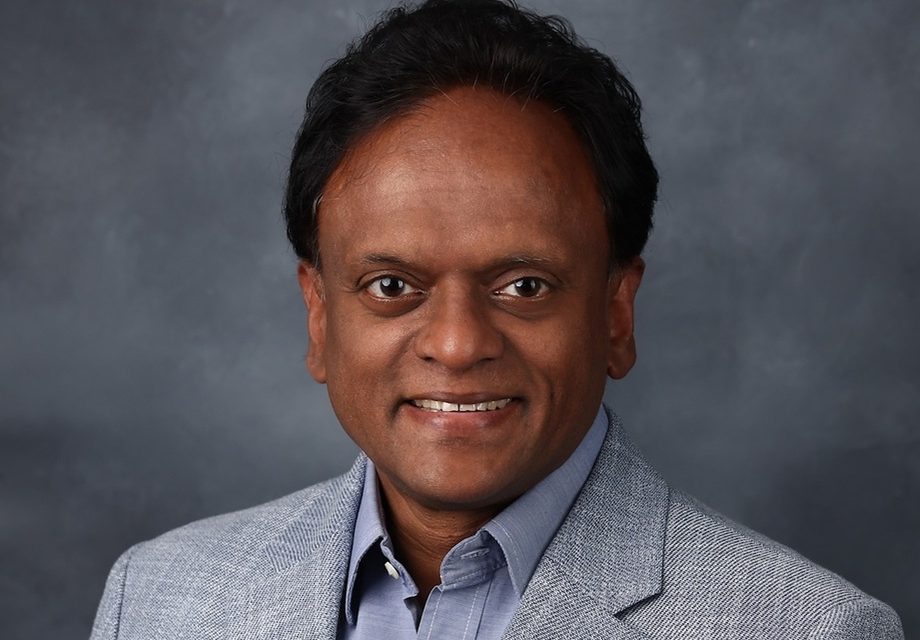
A New Seat at the Table
IRIS Software Group, a global provider of accountancy, payroll, human resources and education software, has appointed Surya Sagi as its first Chief Data and AI Officer, effective immediately. The role is newly created, and that detail carries more weight than the name in the headline. Companies do not invent a C-suite title casually. Creating a Chief Data and AI Officer position is a statement that the board considers data and AI capability important enough to warrant a dedicated executive owner rather than a shared responsibility split across the technology and product functions.
IRIS framed the appointment as central to its next phase of product innovation and global growth, positioning AI as a way to help its customers unlock greater value from their software and data and to deliver faster, better informed decisions. For a vendor serving accountants, payroll teams and schools, all domains where accuracy and auditability are non negotiable, the message is deliberate. AI at IRIS is being presented not as a feature race but as a capability that has to be governed as carefully as it is deployed.
Who Surya Sagi Is
Sagi arrives with more than three decades spent building data and AI platforms, with particular depth in scaling cloud native software as a service businesses and in mergers, acquisitions and platform integration across small business, enterprise and regulated sectors. That last phrase matters for IRIS, whose portfolio spans exactly those tiers. He most recently served as Chief Technology Officer at Pitney Bowes, and he founded ARKA AI and ARKA Advisors, advisory ventures focused on helping enterprises implement AI in production rather than in slideware.
The blend of operator and advisor experience is well suited to the brief. Building platforms teaches the discipline of shipping and maintaining systems at scale. Advising on AI implementation teaches the softer, harder problem of getting organisations to adopt and trust those systems. IRIS is betting that Sagi can do both, translating a broad AI ambition into governed capability that its customers, many of them cautious and compliance bound, will actually turn on and rely upon.
The Mandate: Outcomes, Not Announcements
Sagi's remit covers global enterprise data and AI strategy, including data governance and responsible AI frameworks. His stated responsibilities extend across scaling AI capabilities and, pointedly, delivering measurable business outcomes. In his own words, success will depend on deploying these capabilities responsibly, governing them effectively and focusing on measurable business outcomes. That framing, repeated deliberately, is a signal to the organisation that the role will be judged on impact rather than on the volume of pilots launched.
Chief executive Jason Dies reinforced the point, saying that AI only matters if it makes a real difference to the people who rely on the company, and describing Sagi's career as building data and AI platforms that make work faster, smarter and more reliable. The rhetoric is customer first rather than technology first, which is the correct instinct for a vendor whose users care about correct payroll runs and clean audit trails far more than about model architecture. The test will be whether the outcomes language survives contact with quarterly pressure.
Governance Built In, Not Bolted On
One structural detail distinguishes this appointment from the many chief AI titles created in the past two years. Sagi is joining the company's AI Steering Committee and its Business Systems Architecture Review board. In other words, the role is being wired into existing decision making bodies rather than parked alongside them. That is how a data and AI leader gains real leverage, by sitting where architecture and investment choices are actually made instead of consulting on them after the fact.
The distinction separates symbolic AI leadership from operational AI leadership. A chief AI officer with a mandate but no seat on the bodies that approve systems and standards can advocate but cannot enforce. By placing Sagi inside the steering and architecture review functions, IRIS is giving the role teeth. It is also a sign of organisational maturity, an acknowledgement that responsible AI has to be governed through the same channels that govern every other consequential technology decision the company makes.
The Test Ahead
Creating the role and staffing it well is the easy part. The hard part is delivering the measurable outcomes Sagi has promised to be judged on, inside a company whose customers punish errors harshly. Payroll that miscalculates, an audit trail that cannot be reconstructed or an AI recommendation that cannot be explained does not merely disappoint. In the accountancy, payroll and education markets IRIS serves, it can carry legal and regulatory consequences, which raises the bar for what responsible deployment actually means in practice and narrows the room for the kind of experimentation that consumer AI teams take for granted.
That constraint is also an opportunity. If Sagi can show that governed, explainable AI improves accuracy and speed in domains where trust is everything, the results will be more credible than any consumer demonstration. The early priorities will tell the story. Watch whether the first deployments target genuine customer pain rather than internal vanity projects, whether governance frameworks ship alongside features rather than after them, and whether the outcomes language survives the first quarter when the pressure to announce something eye catching inevitably arrives. Discipline under that pressure is the real test of the mandate.
Part of a Broader C-Suite Shift
IRIS is not acting in isolation. Across regulated industries, boards are elevating data and AI to dedicated executive roles as the technology moves from experiment to core operating capability. HSBC recently named its first chief AI officer and gave the position a seat in the C-suite. Survey data suggests the share of large organisations with a chief AI officer has climbed steeply in the past year. The role is evolving from a symbolic hire meant to signal ambition into an operational post accountable for governance and returns.
We see the IRIS appointment as a clean example of that maturation. The interesting question is no longer whether a company should have a data and AI leader but what that leader is empowered to do. IRIS has answered by creating the seat, staffing it with a builder who has run platforms and advised on adoption, and embedding it in the committees that decide architecture and investment. Whether the outcomes follow will depend on execution, but the structure is the right one to make execution possible.