A Bank Puts AI in the C-Suite
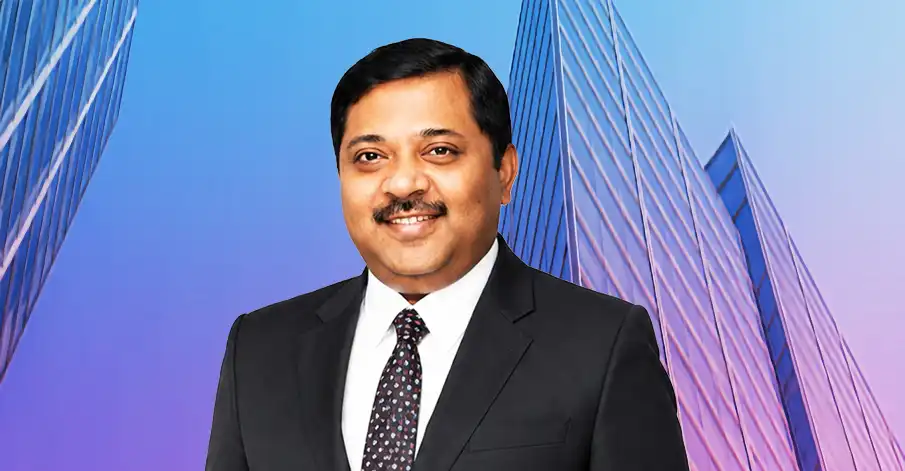
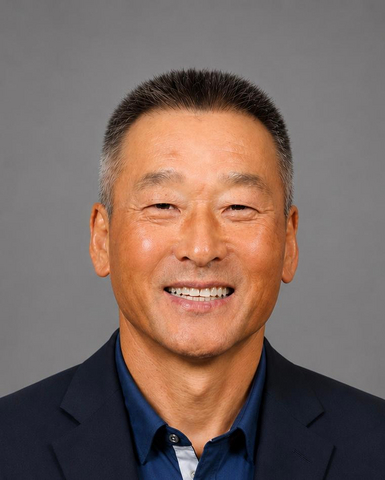
HSBC has created a job that did not exist in its leadership structure before, and the choice to fill it says as much as the appointment itself. The bank named David Rice as its first Chief AI Officer, effective the first of April 2026. Establishing the role at all is a statement of intent: HSBC is declaring that enterprise-wide AI adoption warrants a dedicated seat at the top table, not a mandate tucked inside an existing technology function where it competes for attention with everything else on the CIO's plate.
The role, by HSBC's own description, is meant to provide clear enterprise leadership for AI adoption across the group, in service of its ambition to build a bank designed for the future. That phrasing matters. It frames AI not as a set of point projects to be delivered but as an organizing objective for the institution, and it assigns a single accountable executive to drive it. For a bank of HSBC's scale and regulatory exposure, concentrating that responsibility in one named leader is a deliberate governance decision.
An Insider, Not an Outsider
The choice of Rice is instructive. He is not a celebrity hire parachuted in from a technology company but a longtime HSBC executive, most recently the Chief Operating Officer for the bank's Corporate and Institutional Banking business, with nearly two decades at the group spanning the US, Canada, Singapore, Hong Kong, and the UK. That profile signals that HSBC views its AI challenge as primarily one of operational transformation and organizational change rather than of pure technical novelty, and it wanted someone who understands how the bank actually runs.
We think this reflects a maturing understanding of what it takes to make AI stick inside a large, regulated institution. The hard part is rarely the model. It is embedding new tools into entrenched processes, navigating risk and compliance functions, and persuading tens of thousands of employees to change how they work. An insider with deep operational credibility and relationships across the business is arguably better positioned to lead that change than a brilliant technologist with no standing in the organization, however impressive the resume.
From Pilots to Enterprise Scale
The appointment comes as part of a wider push to deploy AI at scale across HSBC, including making generative AI tools available to all staff to simplify processes and policies, and equipping customer-facing colleagues with AI to deliver more personalized service. This is the recurring theme of enterprise AI in this cycle: the transition from scattered pilots that prove a concept to disciplined, organization-wide deployment that actually changes outcomes. That transition is where most AI ambitions stall, and it is precisely what the new role exists to shepherd.
Scaling AI across an institution as large as HSBC is a formidable coordination problem. It requires consistent governance so that thousands of use cases do not each reinvent the rules, shared infrastructure so teams are not building in isolation, and change management so the tools are adopted rather than ignored. A single executive with a clear mandate can drive that coherence in a way that a federated, every-department-for-itself approach cannot, which is much of the argument for elevating the role to the C-suite in the first place.
The Rise of the Chief AI Officer
HSBC is not alone, and that is the broader story. Across industries, large enterprises are elevating AI to a standalone executive mandate, creating Chief AI Officer roles that sit alongside the CIO and CTO rather than beneath them. The trend reflects a judgment that AI is consequential and cross-cutting enough to deserve undivided senior attention, touching every function from operations to customer experience to risk in ways that a technology leader juggling many priorities may struggle to drive with full force.
The pattern is most pronounced in regulated sectors, where the stakes of getting AI wrong are highest and the governance burden is heaviest. Banks in particular face intense scrutiny over how they use automated systems in decisions that affect customers, which makes concentrated, accountable leadership especially valuable. When a regulator or a board asks who owns AI risk and adoption across the enterprise, HSBC now has a single, senior name to give, and that clarity is part of what the role is designed to provide.
The Question the Role Still Has to Answer
For boards and executive teams watching this, the open question is how a Chief AI Officer should relate to the leaders already in place. The CIO owns technology delivery, the CTO owns architecture, the Chief Data Officer owns the data, and AI depends on all three. A new role that cuts across those domains can either resolve fragmentation by providing a single point of coordination or add another layer of overlapping authority and turf. Which outcome prevails depends entirely on how clearly the mandate is drawn and how well the incumbents collaborate.
HSBC's bet is that the clarity of a dedicated leader outweighs the risk of organizational friction, and that giving AI adoption an accountable owner will accelerate a transformation that diffuse ownership tends to slow. Whether the Chief AI Officer becomes a durable fixture of the corporate org chart or a transitional role that folds back into technology leadership once AI is fully absorbed into how the business runs remains to be seen. For now, one of the world's largest banks has decided the model deserves its own seat, and others are reaching the same conclusion.