From Construction to Capacity
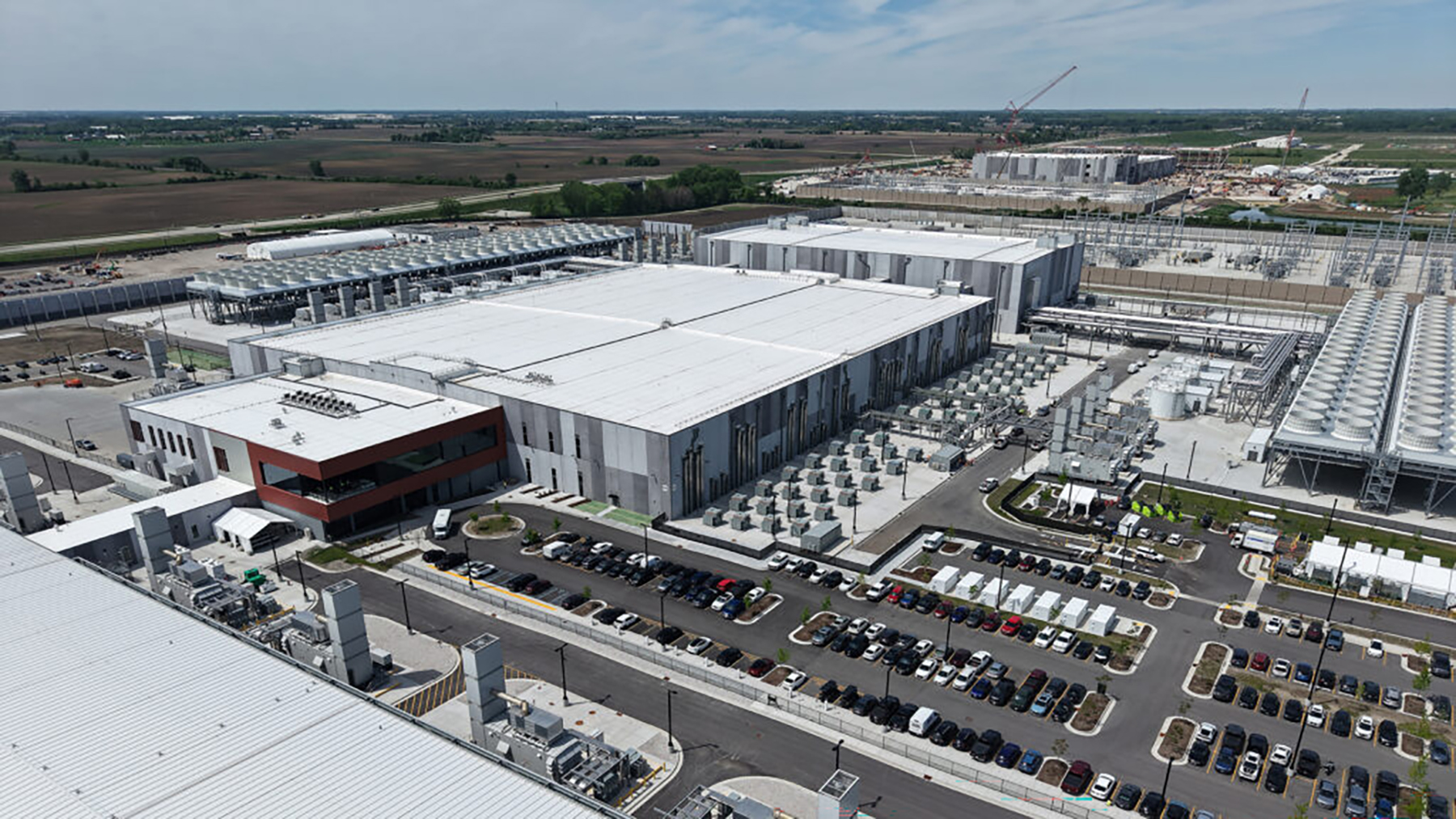
Microsoft has cut the ribbon on the first data center facility at its Mount Pleasant campus in Wisconsin, moving the site from limited operations to full production. The facility, a 3.3 billion dollar investment, is among the company's highest profile AI infrastructure developments, and its transition to full running is more significant than a typical ribbon cutting. It marks the point at which a project that existed as a construction site and a capital commitment becomes a live piece of the Azure fleet, capable of hosting real workloads for real customers.
That distinction matters because the AI infrastructure story has been dominated by announcements of intent, gigawatts promised, campuses planned and dollars committed, far more than by capacity actually delivered. Bringing Mount Pleasant fully online is a marker on the other side of that ledger. It demonstrates that the enormous capital being poured into AI data centers is beginning to convert into operational compute, and that the constraint is shifting, at least at this site, from building to filling.
Part of a Historic Capital Cycle
The Wisconsin facility sits inside one of the largest infrastructure spending cycles in the history of computing. Microsoft has projected capital expenditures of roughly 190 billion dollars for calendar 2026, the bulk of it directed at data center expansion to serve surging demand for AI services. Mount Pleasant is one node in a global network of similar projects, and its completion offers a concrete data point on how quickly that spending is materialising into usable capacity rather than remaining a line item in an earnings call.
The scale of the commitment reflects a bet that demand for AI compute will keep outrunning supply for years. Whether that bet pays off depends on enterprises turning pilots into production at a pace that justifies the spend. For now, the hyperscalers are building ahead of demand, wagering that capacity secured today will be scarce and valuable tomorrow. Mount Pleasant going live is Microsoft banking one increment of that capacity, and doing so in a politically visible location it has cultivated for years.
Why Location and Power Matter
Where a data center sits is no longer an afterthought, it is a strategic decision shaped by power, land and politics. Wisconsin offered Microsoft a combination of available land, access to the grid and strong local support, the same factors driving hyperscaler siting decisions everywhere as the industry collides with the limits of electricity supply. AI campuses of this size consume power at a scale that makes grid interconnection and generation capacity the binding constraint, often more than chips or construction labour.
That reality has turned data center siting into an exercise in energy planning. Operators are increasingly evaluating locations by how fast they can secure firm power, and regulators are being drawn into decisions about how much load a region can absorb. Mount Pleasant reaching full operation means Microsoft solved that equation for this site, but the broader industry is still wrestling with it. The next wave of campuses will rise or stall on the availability of megawatts, and every completed facility is a reminder of how hard that has become.
What It Means for Enterprise Buyers
For CIOs and infrastructure leaders, new regional capacity is not an abstraction. It affects latency for workloads that need to run close to users, it expands the options for meeting data residency requirements within a given jurisdiction, and it eases, at the margin, the scarcity of the accelerator supply that has throttled AI ambitions across the market. A live facility in the US Midwest is another place Azure customers can land regulated or latency sensitive workloads without compromise.
The practical advice is to track where capacity actually comes online rather than where it is merely announced. Procurement and architecture decisions should be informed by real availability, because a campus under construction cannot host a workload and a fully operational one can. Mount Pleasant is now in the second category. Buyers planning AI deployments that depend on Azure capacity in North America have one more concrete option, and in a market defined by scarcity, concrete options are worth more than promises.
The Community Bargain
Mount Pleasant is more than a technical asset, it is a political one. Microsoft has spent years cultivating the Wisconsin site, and hyperscale campuses now arrive wrapped in negotiations over jobs, tax incentives, water use and grid impact. Bringing the facility fully online delivers on commitments made to local officials and residents who backed the project, and it strengthens Microsoft's hand as it seeks approvals for the next phases of the campus and for comparable builds in other states where communities are watching closely.
That bargain is becoming harder to strike. Communities that once competed aggressively for data centers now scrutinise their power and water demands, and some have begun to resist outright. Every campus that comes online without incident, delivering the promised investment and jobs, is evidence Microsoft can point to in the next round of negotiations. The reverse is also true. A project that overpromises and underdelivers poisons the well for the entire industry, which is why executing visibly and cleanly on a flagship site carries weight far beyond the compute it adds to the fleet.
Our Read
We view the completion of Mount Pleasant as a useful reality check on a narrative that has run heavily on projection. The AI infrastructure boom has been measured largely in commitments, and commitments are easy to make and hard to verify. Capacity that is live and serving traffic is the honest metric, and Microsoft delivering a 3.3 billion dollar facility into full operation is a genuine, checkable increment against the hype.
The open question is demand. Building capacity is a bet that enterprises will consume it at prices that justify the outlay, and that bet is not yet settled. If AI adoption keeps accelerating, facilities like this will look prescient and undersupplied. If adoption plateaus, the industry will be left with expensive concrete and idle racks. For now, Microsoft is building through the uncertainty, and Mount Pleasant going live is the company converting one more slice of ambition into operational fact.