One Cart To Rule Every Merchant
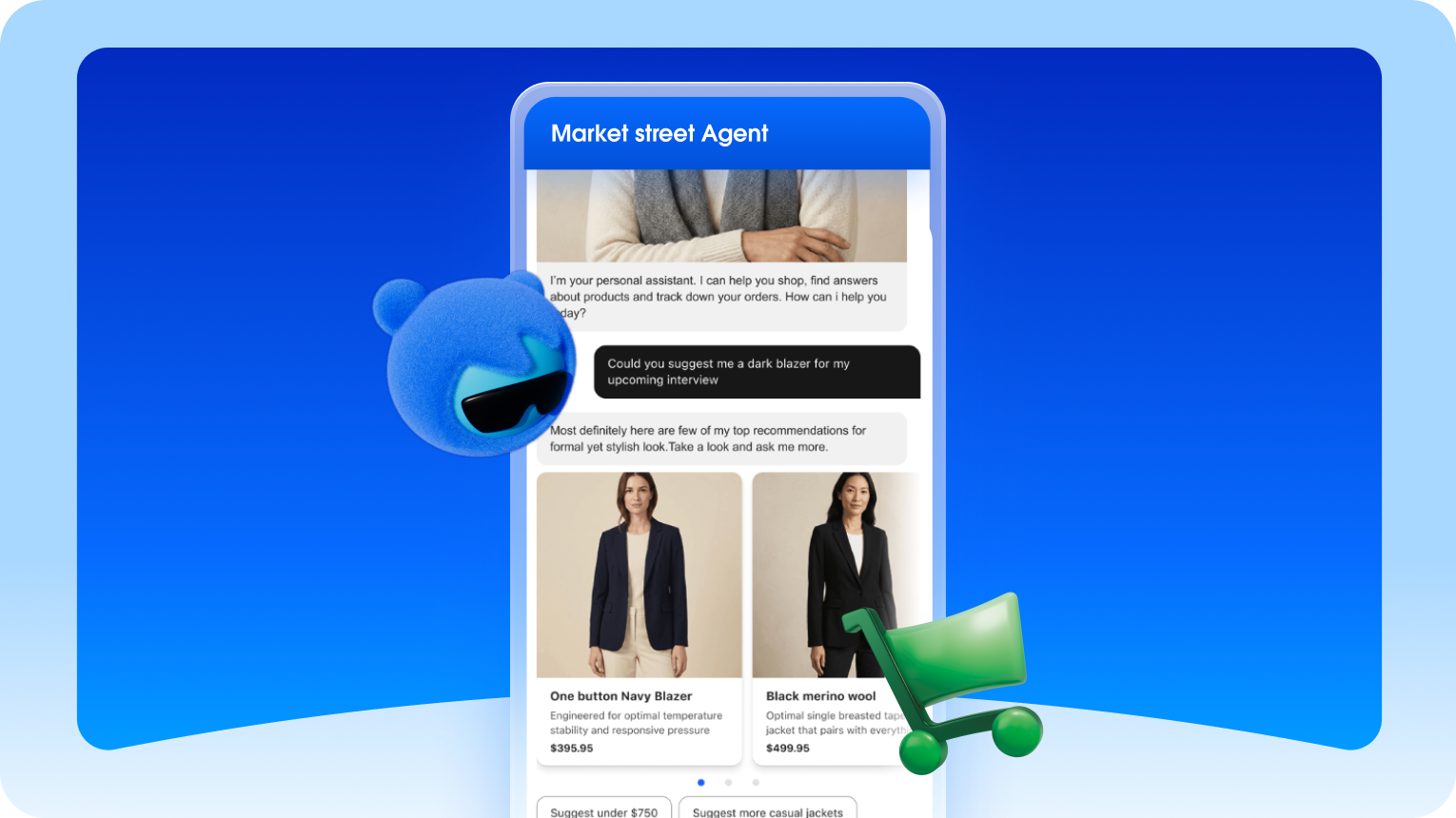
Google is assembling something retailers have quietly feared for years: a single cart that does not belong to any of them. Universal Cart, detailed in early June, is an AI-powered cart that works across merchants and across Google's own surfaces, including Search, Gemini, YouTube and Gmail. It tracks deals, fires price-drop alerts, surfaces price history, flags back-in-stock items and warns about product compatibility. In other words, it does the comparison labor that shoppers currently scatter across a dozen tabs, and it does it inside Google rather than inside any store.
The launch roster is the part that should make competitors look twice. Walmart and Target are in, alongside Nike, Sephora, Ulta Beauty, Wayfair, Fenty and Steve Madden. Availability lands in Search and Gemini in the summer of 2026, with YouTube and Gmail to follow. When the two largest mass merchants in the country agree to sit inside someone else's cart, it signals that the gravitational pull of where consumers actually start shopping has become too strong to refuse, even for retailers with their own formidable apps.
Google's Argument: Buying Should Stop Feeling Like Work
Suresh Ganapathy, Senior Director of Consumer Shopping Product at Google, framed the product around a familiar pain point. Once shoppers find what they want to buy, he said, it can be another few steps of research to make sure they are getting a good deal. Universal Cart is positioned to collapse those steps: hold the item, watch the price, ping the user when conditions improve, and keep the whole effort in one place. It is a clean consumer story, and clean consumer stories are how platforms win the front door.
We find the logic hard to argue with on the merits. The post-decision research phase is real friction, and Google is uniquely positioned to remove it because it already sees the intent, the prices and the inventory signals. The danger for retailers is not that the product is bad. It is that the product is good. A genuinely useful cart that lives above all merchants is exactly the kind of intermediary that, once adopted, becomes very difficult to dislodge from the customer relationship.
The Disintermediation Risk Retailers See Coming
Industry observers were blunt about the downside. Anthony Ferry, co-founder and CEO of Wayvia, argued that Universal Cart could reduce traffic to retailers' own websites and that brands will need to invest harder in loyalty programs to keep the direct relationship alive. That is the core tension. Every cart that fills inside Google is a cart that does not fill on the retailer's site, which means less first-party data, less merchandising control and less opportunity to upsell on the retailer's own terms.
This is the agentic-commerce squeeze playing out in cart form. Retailers join because they cannot afford to be absent from where shoppers gather, yet joining accelerates the very disintermediation they fear. We expect the smart response to be selective: participate to stay visible, but treat loyalty, exclusive inventory and post-purchase experience as the moat. The cart may belong to Google, but the relationship after the box arrives does not have to.
The Real Bottleneck Is The Shopper, Not The Retailer
For all the merchant intrigue, several voices pointed to a less obvious obstacle: getting consumers to actually use it. Matt Maher, founder of M7 Innovations, doubted shoppers would adopt the cart regularly or return to it after stretches of disuse. Jason Grunberg, CMO of Forter, questioned whether consumers will commit to a cart that only works inside Google's ecosystem. Matt Howland, president and chief product and engineering officer at Cordial, noted that getting the follow-on partners is always the hard part of any new AI behavior.
We think the skeptics are pointing at the right wall. Carts are deeply habitual. Shoppers have muscle memory for adding to bag on Amazon, on Target's app, on a brand's own site. Overriding that habit requires the cross-merchant convenience to be not just better but obviously, repeatedly better. Google has the surfaces and the data to make that case, but behavior change at consumer scale is slow, and a cart that sits idle is no threat to anyone.
What Enterprise Leaders Should Do Now
For retail technology leaders, Universal Cart is a forcing function whether or not it succeeds. It makes concrete a future in which the cart is a shared utility rather than a proprietary asset, and that future demands a feed strategy: structured, accurate product and pricing data that an external agent can consume without embarrassing the brand. The retailers that show up in Universal Cart with clean, complete, trustworthy data will win the placements. The ones with messy catalogs will be quietly skipped.
Our advice is to treat participation as table stakes and differentiation as the actual work. Join to stay discoverable, but invest the real budget where Google cannot follow: loyalty economics, owned-channel personalization and the service experience after checkout. The cart war is about who controls the moment of purchase. The longer game, the one retailers can still win, is about who owns the customer for the next purchase, and the one after that.