A Ban Before an Application
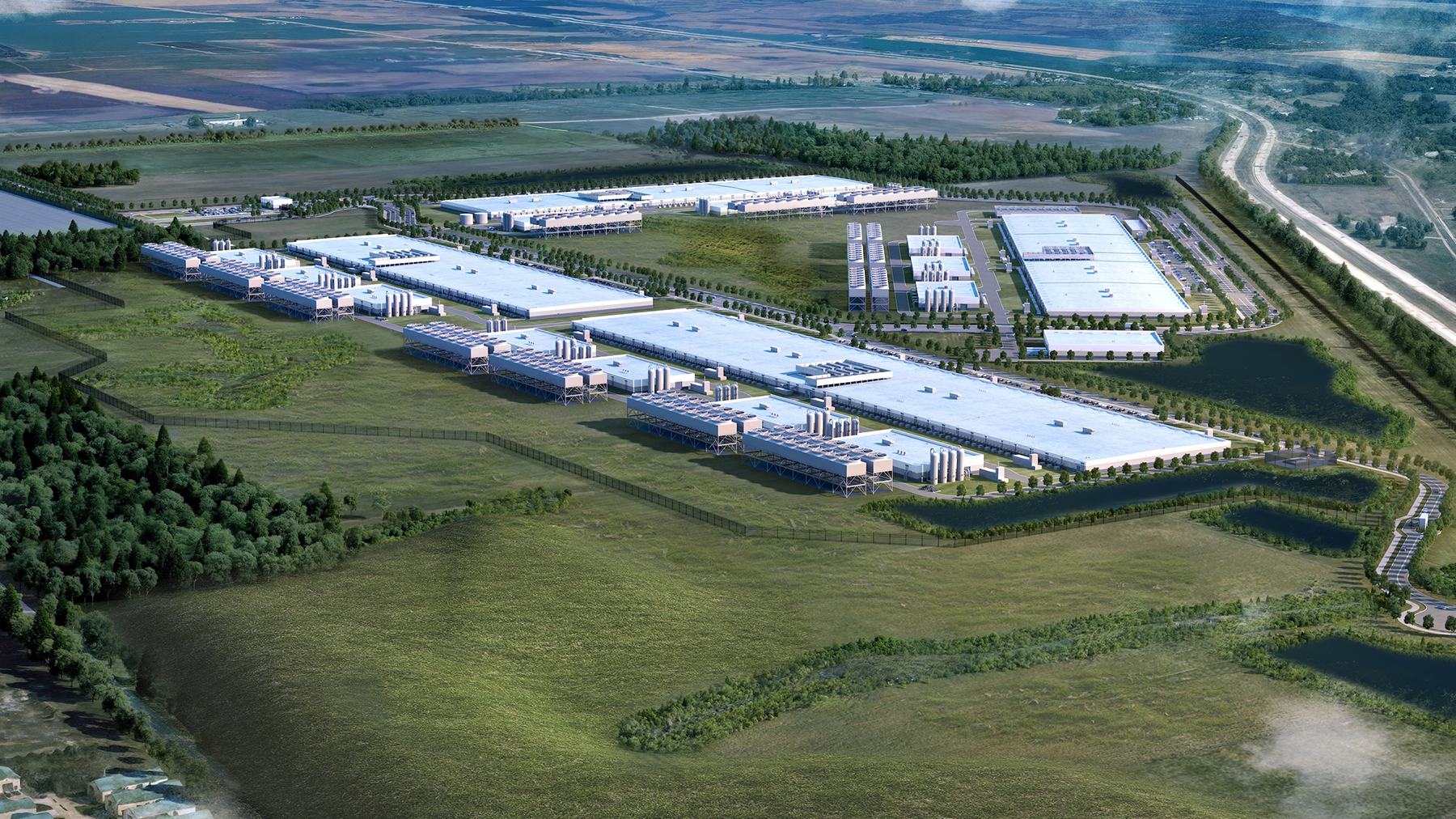
The town of East Fishkill in New York's Hudson Valley has passed a three-year data center moratorium, effective until July 1, 2029, blocking a proposed campus of roughly 1.16 million square feet before a formal application was ever filed. The proposal had been floated by Treetop Companies, but the town board moved preemptively, citing a desire for certainty and time to study the issue. The detail that stands out is procedural: supervisor Nick D'Alessandro pointed out that there is no application before the town and that data centers are not even listed as a permissible use in its industrial zones. The town banned something it had not yet been formally asked to approve.
That sequence is the real story. East Fishkill is not a data center hub. New York's facilities cluster around New York City and Buffalo, with smaller pockets in Rochester, Syracuse, and Albany. A suburban Hudson Valley town would once have been an afterthought in the siting conversation. The fact that its board felt compelled to pass a multi-year ban in response to a mere rumor of a project tells us how thoroughly the politics of data centers have shifted. Communities are now legislating against the buildout proactively, treating a possible application as a threat to be foreclosed rather than a proposal to be evaluated.
The Anatomy of the Moratorium
The moratorium is not a blanket prohibition, and its carve-outs are instructive. It exempts data centers that are ancillary to an existing or permitted use and smaller than 20MW, as well as facilities eligible for an economic development special permit. In other words, the town is not rejecting all compute infrastructure. It is rejecting the large, speculative, AI-scale campus that arrives with gigawatt ambitions and an outside developer. The 20MW threshold draws a clear line between the modest edge and enterprise facilities a community might tolerate and the hyperscale projects that bring transmission upgrades, water demands, and truck traffic residents increasingly resist.
For developers, that distinction is the actionable intelligence. The opposition is not to data centers as a category but to scale, opacity, and outside money. A 1.16 million square foot campus from a developer with no local roots is exactly the profile that triggers a defensive ban. The projects that still clear local review tend to share the opposite traits: low-water cooling, self-funded infrastructure, transparent community engagement, and a credible local economic case. East Fishkill's exemptions effectively tell the industry which projects remain welcome, and the answer is small, integrated, and locally legible rather than vast and speculative.
Opposition as a Structural Constraint
We have spent much of this year cataloging the power, water, and supply chain bottlenecks throttling the AI buildout, but local opposition has quietly become the most unpredictable constraint of all. Unlike a transmission queue, which can be modeled and eventually cleared, a town board vote is political and immediate. East Fishkill joins a lengthening list of communities, from rural Australia to the American Midwest, that have blocked or paused projects regardless of the dollars on offer. The pattern matters because it removes capacity from the map in places the industry assumed were open, and it does so on timelines no developer can control.
The strategic implication for the industry is that siting is now a public-affairs problem as much as an engineering one. The hyperscalers that have learned this, leading with water-positive cooling claims and self-funded grid upgrades, are buying themselves political room that speculative developers lack. A three-year ban in a single Hudson Valley town will not move the national capacity numbers, but it is a data point in a trend that will. Every moratorium pushes demand toward the shrinking set of jurisdictions that still welcome large campuses, concentrating the buildout and raising the price of the land and goodwill required to build there.
What It Means for Enterprise Capacity Planning
For CIOs and infrastructure leaders mapping where their future capacity will physically live, the East Fishkill vote is a reminder that the supply curve is being shaped by local politics they cannot influence. A provider's announced pipeline is only as real as its ability to clear municipal review, and that ability is eroding in regions where opposition is organizing. When evaluating long-term capacity commitments, the prudent question is no longer only about power and cooling but about permitting risk: how many of a provider's announced gigawatts sit in jurisdictions that have already passed, or could plausibly pass, a moratorium.
The deeper lesson is that the geography of AI compute is narrowing even as demand explodes. Capacity is consolidating in a handful of friendly states and counties, places like West Texas, parts of the Midwest, and energy-rich regions abroad, while suburbs and contested communities close their doors. That concentration carries its own risks, from grid strain to single-region exposure for enterprises that prize resilience. East Fishkill is a small town making a local decision, but multiplied across hundreds of jurisdictions, those decisions are quietly redrawing the map of where the cloud can actually be built.