What was filed, and where
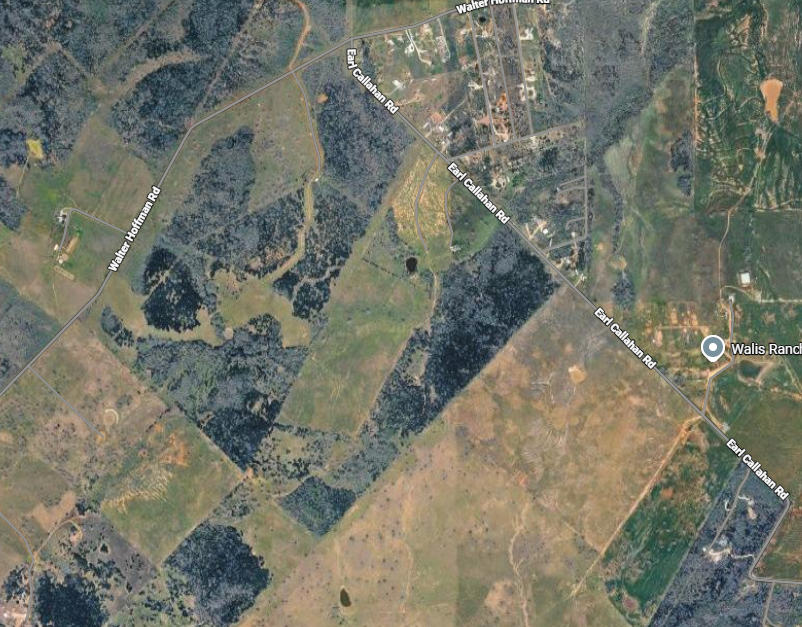
A filing with the Texas Department of Licensing and Regulation describes Project Longhorn, Building One, a $366 million data center proposed for Earl Callahan Road near Walter Hoffman Road in Cedar Creek, Bastrop County, just outside Austin. The filing, dated October 9, puts the building at about 498,165 square feet, with construction targeted to begin November 30, 2026, and completion by the end of January 2028, a construction window of roughly fourteen months for a facility of this scale.
The developer listed is Black Chamber Partners, a private equity-backed firm that typically builds in Northern Virginia and specializes in build-to-suit powered shells for hyperscalers. Representatives for Black Chamber Partners, energy partner Pacifico Energy, and Anthropic did not respond to requests for comment from the outlet that first reported the filing, which means the identity of the eventual tenant remains unconfirmed on the public record even as construction plans move forward.
The power story behind the building
The project is tied to a 2,842-acre gas-fired generation facility that, at full buildout, is expected to provide up to 710 megawatts of site-rated redundant power using simple-cycle natural gas turbines, supporting 490 megawatts of IT capacity. Pacifico Energy, the energy arm of Pacifico Group based in San Juan, California, already holds a 7.65 gigawatt air permit tied to its planned 5 gigawatt GW Ranch project in West Texas, giving it existing regulatory standing for large gas-fired builds in the state.
Building power generation directly alongside the data center, rather than depending entirely on ERCOT grid connection, has become the default approach for large Texas AI campuses this year. That approach reduces exposure to grid interconnection queues and timelines the project developer cannot control, at the cost of taking on the permitting, construction, and fuel supply risk of running a private gas plant as a core part of the data center business.
The Anthropic question
Anthropic is reportedly in talks to lease the Cedar Creek campus, according to the outlet that first reported the TDLR filing, though the report stops short of confirming a signed agreement. If accurate, it would be consistent with Anthropic's broader pattern of expanding its US compute footprint through third-party developers and leased capacity rather than building and operating facilities directly, a pattern the company has followed across multiple US sites this year as it races to support its stated $50 billion domestic infrastructure commitment, announced earlier in 2026 alongside its separate compute agreements with Google and Broadcom.
The unconfirmed tenant is itself part of the story. Large AI labs increasingly show up in public filings as rumored tenants well before any lease is confirmed, because developers file permits speculatively against anchor demand they expect to materialize, not demand they have already locked in. That gap between filing and confirmed tenancy is exactly where due diligence on any Texas capacity commitment needs to start, and it is a gap your own contracts team should be asking about before treating a trade press report as settled fact.
Why the timing is the real story
In September 2026, Texas Governor Greg Abbott halted new data center permits from the state's environmental agency, pending an audit of facilities seeking to connect to the ERCOT grid. ERCOT has said it aims to finish that audit by December. The Cedar Creek filing, dated October 9, arrived squarely inside that freeze window, which suggests either that this specific project secured an exception, that its behind-the-meter power strategy sidesteps the freeze's scope, or that the freeze is having less practical effect on project filings than its announcement implied, three very different realities that look identical from outside the permitting process.
Any of those three explanations matters for anyone planning around Texas capacity. A freeze that has real exceptions is a different risk than a freeze that is being quietly ignored at the margins, and a freeze that only applies to grid-connected projects creates a clear incentive for every subsequent developer to build around it with private generation, exactly as this project appears to have done. Which explanation turns out to be true will shape how much weight future state-level permitting announcements deserve in your own planning.
The cluster this project sits inside
Cedar Creek is not an isolated site. It sits near EdgeConneX's major campus in the same area, where four additional buildings were filed for in August 2026 alone. Across Bastrop County, EdgeConneX's footprint could reach more than a dozen buildings on over 1,500 acres at full buildout, and CoreWeave is already set to lease part of that capacity. Project Longhorn adds a second large, gas-backed campus to a county that was already becoming one of the denser AI infrastructure clusters in the state, with two unrelated hyperscale-adjacent developments now sitting within a short drive of each other.
That density compounds both the opportunity and the risk for anyone depending on this specific grid region. More capacity concentrated in one county means more shared exposure to the same ERCOT audit findings, the same local water and land-use politics, and the same regional power market dynamics, regardless of which individual developer or tenant is involved in any one filing. A problem that hits one Bastrop County campus is increasingly likely to hit its neighbors on a similar timeline.
What this means for your roadmap
If your organization has, or is considering, capacity commitments tied to Texas data centers, treat the state's permit freeze as evidence that policy here is actively in motion, not a stable backdrop you can plan around for the next several years. The ERCOT audit due in December could tighten the freeze, loosen it, or reshape which kinds of projects qualify for exceptions, and any of those outcomes would directly affect timelines for capacity that depends on grid connection rather than private generation.
The practical step is the same one that applies across every fast-moving AI infrastructure market right now: ask your provider directly whether their Texas capacity depends on ERCOT interconnection or behind-the-meter generation, and ask what contingency exists if state policy shifts again before your contracted capacity comes online. Projects like this one are moving forward regardless of the freeze, but the regulatory ground underneath them is still shifting, and your own commitments should account for that rather than assume today's policy holds.