Industry Expertise
Retail Technology That Moves at the Speed of Commerce
Omnichannel platforms, checkout modernization, and data-driven personalization - we help retailers close the gap between legacy infrastructure and modern customer expectations.
Retail DX Spend by 2030
Expect Omnichannel
DX Spend CAGR
An Industry in Transformation
The State of Retail Technology
The global retail industry generates over $27.9 trillion in annual revenue (2026) and employs tens of millions of people worldwide. But behind every storefront and every checkout - physical or digital - is a technology stack that is undergoing the most radical transformation in the industry's history. Retail digital transformation spending is projected to reach $859.5 billion by 2030, growing at an 18.8% CAGR.

Global retail market (2026)
Retail digital transformation by 2030
Retail IT spending by 2027

Smart retail technology by 2031

IoT in retail by 2034

E-commerce globally by 2026

Retail executives expect revenue growth in 2026
Also expect margin expansion
Industry Intelligence
The 7 Forces Reshaping Retail Technology
The trends defining the next decade of retail - and how they connect to the work we do.

Agentic Commerce & Zero-Click Shopping
AI agents are moving from assistants to autonomous buyers
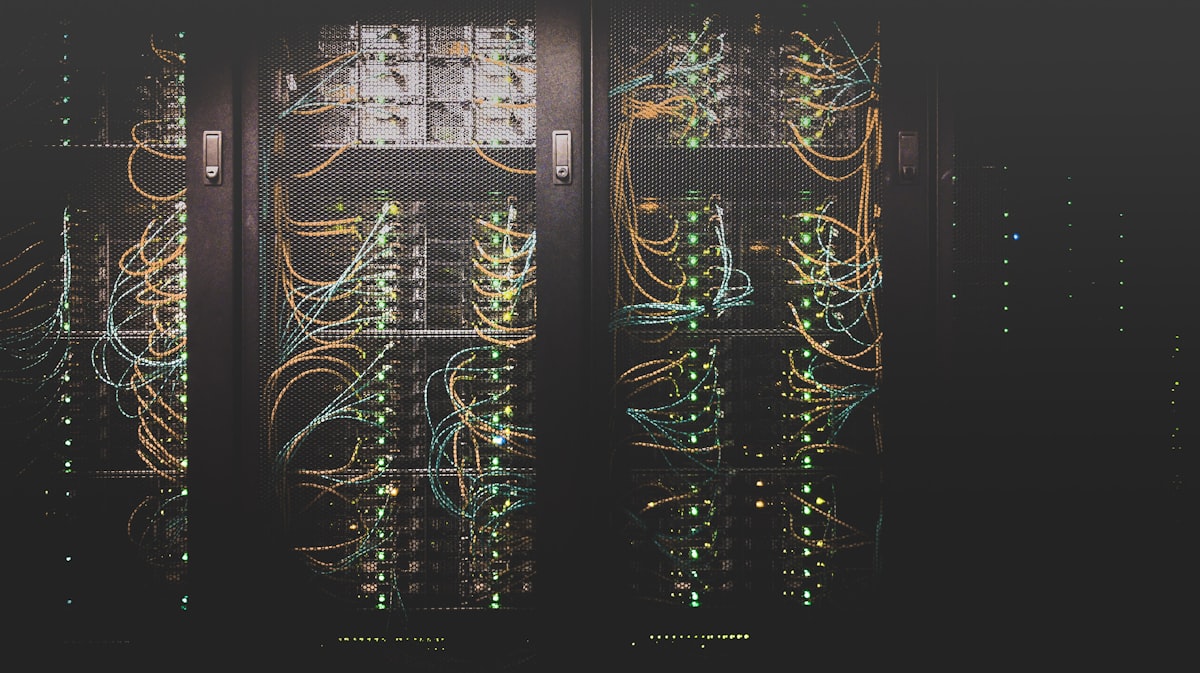
AI agents are moving from assistants to autonomous buyers. Google's "Buy for me" feature in AI Mode and Gemini enables agents to execute purchases directly on merchant websites. The shift is from "I'm buying this product" to "solve this problem for me within my budget." Retailers that don't adapt risk losing visibility entirely - AI platforms will control which products are even seen.
“The retailers who win in an agentic world aren't the ones with the flashiest storefronts - they're the ones whose product data is machine-perfect and whose checkout APIs are frictionless. This is a fundamental infrastructure challenge, not a marketing one.”
Composable Commerce & MACH Architecture
92% of US brands have adopted modular, API-driven systems
92% of US brands have adopted modular, API-driven systems. Composable commerce - built on Microservices, API-first, Cloud-native, and Headless (MACH) principles - enables retailers to swap out search, checkout, CMS, PIM, and payment components independently. The result: 80% faster deployment cycles and 42% higher conversion rates.
“The path forward for retailers operating at scale across multiple countries and channels is decomposition, not replacement. Rip-and-replace is a myth at enterprise scale - composable architecture lets you modernize incrementally without betting the business.”

Unified Commerce (Beyond Omnichannel)
One inventory, one customer profile, one pricing engine
Unified commerce integrates all channels - online, in-store, mobile, marketplace - into a single real-time platform. Unlike omnichannel (which syncs separate systems), unified commerce means one inventory, one customer profile, one pricing engine. Real-time synchronization across every touchpoint.
“Omnichannel was about making channels talk to each other. Unified commerce is about eliminating the concept of channels entirely. The customer doesn't think in channels - your architecture shouldn't either.”
AI-Powered Operations
From demand sensing to dynamic pricing at machine speed
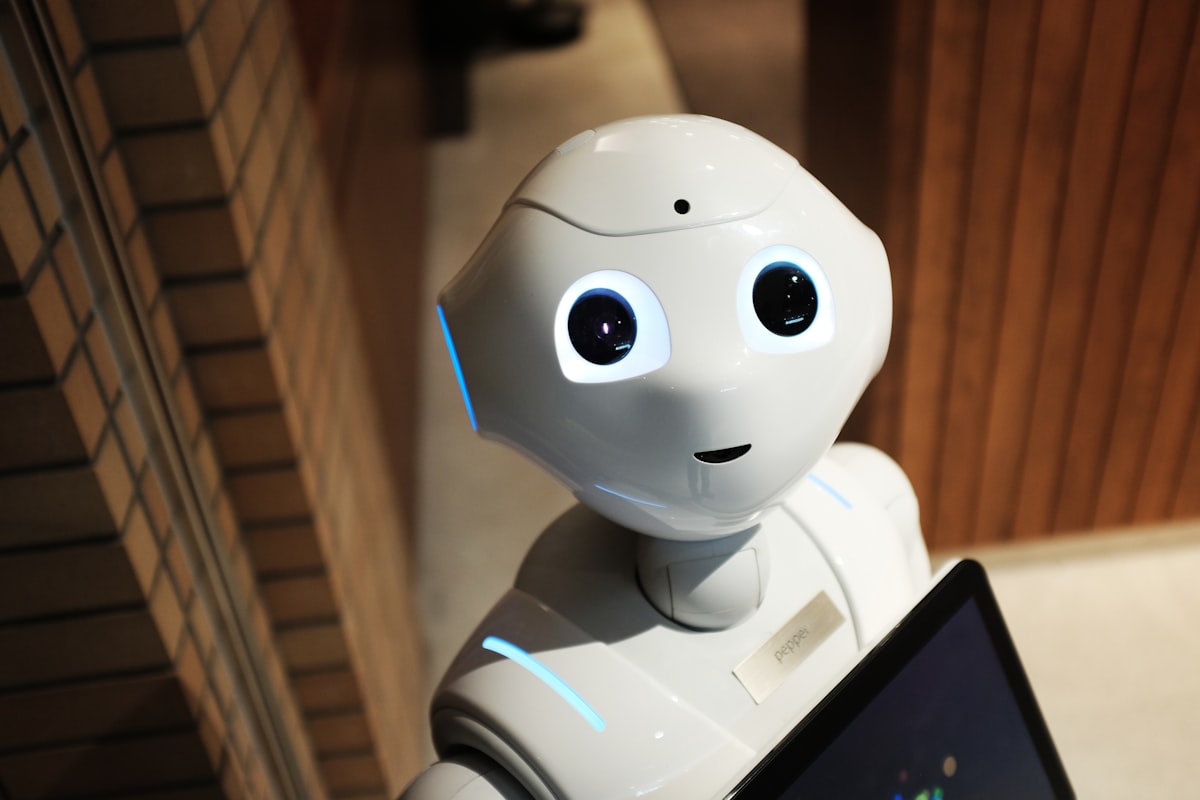
AI is becoming the operating system of retail. Applications include: demand sensing at machine speed for autonomous replenishment, dynamic pricing engines that adjust in real-time based on demand, competition, and inventory, computer vision for shelf monitoring (reducing out-of-stocks by 30%, manual inventory checks by 40%), and generative AI for product descriptions, customer service, and content.
“The AI use cases that deliver the fastest ROI in retail aren't the flashy ones - they're demand forecasting, markdown optimization, and workforce scheduling. These deliver measurable margin improvement within months, not years.”
Autonomous Stores & Frictionless Checkout
Just walk out - from experimentation to broad deployment
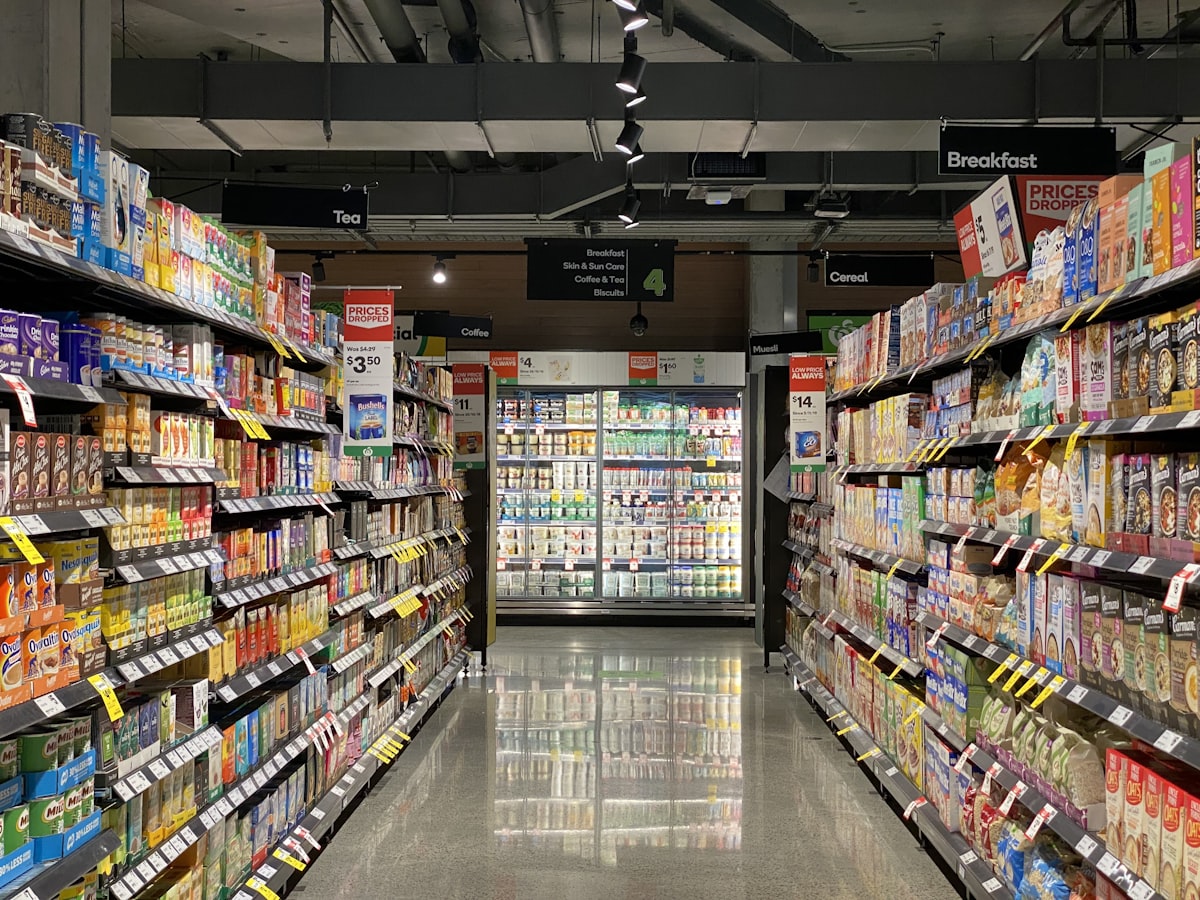
The "just walk out" experience pioneered by Amazon Go is moving from experimentation to broad deployment. Fully autonomous retail environments are viable for large-scale deployment by 2026. Technologies include computer vision, sensor fusion, RFID, weight sensors, and edge AI.
“The technology for autonomous checkout is ready - what holds most retailers back is the org design and data architecture. The economics only work when you integrate it with inventory management and loss prevention as a unified system.”

Retail Media Networks
Retailers are becoming media companies
Retailers are becoming media companies. First-party data from loyalty programs and transactions is being monetized through retail media networks. Major retailers across Europe and the US are launching offsite retail media programs with dedicated partners. This is a rapidly growing profit center for retailers with scale.
“Retail media is the highest-margin revenue stream most retailers haven't fully tapped. But it requires a solid data foundation - clean customer data, consent management, and real-time audience segmentation. The tech stack is the moat.”

Sustainability & Circular Commerce
EU Digital Product Passport requirements drive tech investment
Regulatory pressure (EU Digital Product Passport requirements), consumer expectations, and ESG reporting are driving retailers to embed sustainability into their technology stack - from supply chain traceability to recommerce platforms.
“The Digital Product Passport will be mandatory for certain categories by 2027. Retailers that treat this as a compliance checkbox will miss the opportunity - those who build it into their product data model will unlock entirely new circular commerce revenue streams.”
Retail Services
What We Do for Retail
Every service we offer maps directly to a challenge retail leaders face today.
Looking Ahead
The Future of Retail Technology - 2026 and Beyond
The AI Operating System
Retail is moving from 'AI projects' to AI as the foundational operating layer. Every process - pricing, allocation, personalization, customer service, loss prevention - will be AI-mediated by 2028. The retailers who treat AI as infrastructure rather than innovation theater will define the next era.
Agent-to-Agent Commerce
Within 3-5 years, AI shopping agents will negotiate with retailer AI agents - dynamic pricing, availability, and fulfillment in real-time, with zero human involvement in routine purchases. The entire discovery-to-delivery pipeline will be machine-mediated for commodity goods.
The Store as a Data Center
Physical stores are becoming sensor-rich environments generating terabytes of data daily. The retailers who can process this data at the edge - in real-time - will unlock demand prediction, dynamic merchandising, and loss prevention capabilities that pure-play e-commerce can never match.
Composable Everything
The MACH philosophy will extend beyond commerce into supply chain, workforce management, and customer engagement. The winning retailers will be those who can compose, decompose, and recompose their tech stack faster than the competition.
“The next decade of retail will be defined not by who has the best products, but by who has the best technology architecture. That's where I come in.”
Insights
Thinking out loud
Perspectives on AI, architecture, and the evolving technology landscape.



Let's Talk Retail
Building the next chapter of retail technology?
Whether you're a retail CTO planning your platform roadmap, a PE firm evaluating a retail acquisition, or a board looking for technology due diligence - I've been where you are. Let's talk.



23+ years in retail technology
Based in Düsseldorf - working with retailers across Europe