Two Assistants, One Company, Very Different Jobs
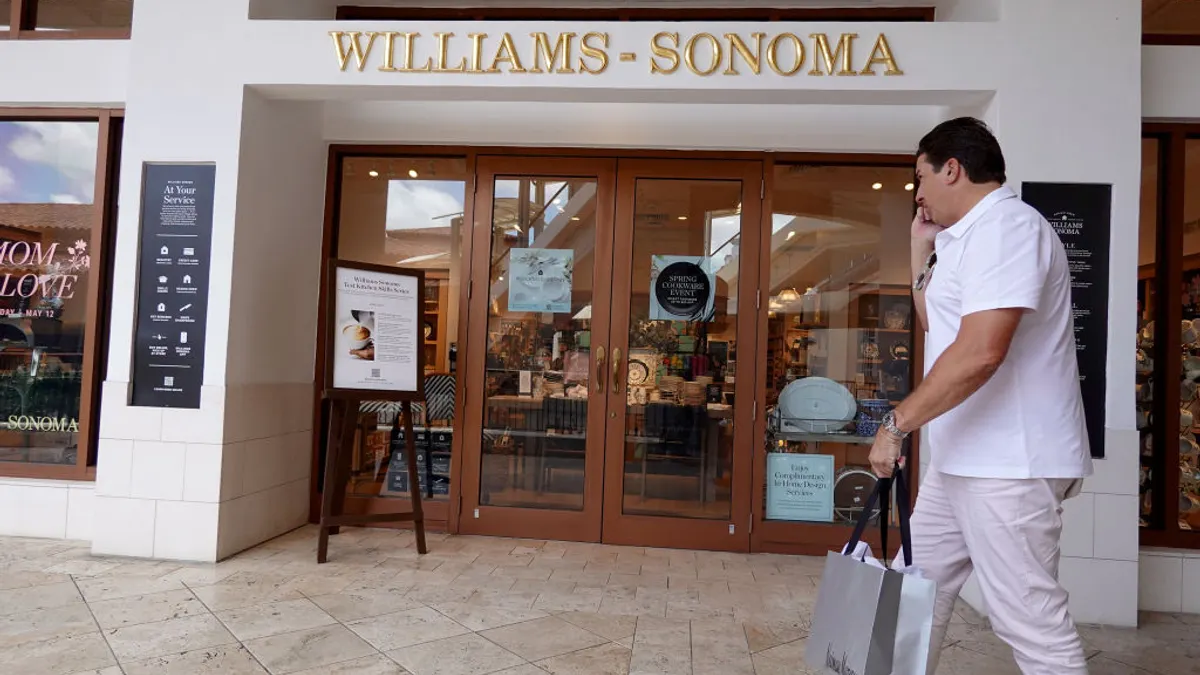
Williams-Sonoma Inc. is running two distinct AI assistants across its brand portfolio, and the split is instructive. Olive, live on the Williams Sonoma site since 2025, is built for product discovery: recommendations, design tool prompts, and connecting shoppers to the company's free design services. Otto, rolled out across the Pottery Barn family of brands in August 2026, is built for a harder problem, helping customers narrow down furniture for a specific room, matching pieces, and handling category-specific knowledge like rug sizing and outdoor material durability.
The company is not shy about the results. Customers who engage with Olive convert at three times the rate of those who do not, a figure Williams-Sonoma has now disclosed publicly rather than kept as an internal metric. Otto resolves more than 70% of customer engagements without escalating to a human representative, and can still hand off to a live Pottery Barn designer or book a design appointment when a request genuinely needs deeper expertise. That combination, a high automated resolution rate paired with a real human escalation path built in from day one, is the detail most retail AI deployments still get wrong, either over-automating a category that needs a human touch or under-automating one that does not.
The Revenue Number That Should Get a CFO's Attention
The headline figure is the one that ties AI usage directly to revenue: personalized visits now generate nine times the revenue of an average visit, up from twice the revenue just a year earlier. That is not a customer satisfaction metric or an engagement proxy. It is a direct multiplier on visit value, and the jump from 2x to 9x in a single year is a far steeper curve than most retail AI programs report.
Company-wide, comparable sales rose 6.2% year over year and total revenue grew 6.7% to nearly $2 billion for the quarter. Williams-Sonoma's leadership is explicitly linking that growth to the AI layer rather than treating it as a side initiative running in parallel with the core business, which is a distinction analysts on the earnings call would have pressed on if the connection felt like a stretch. For a specialty home retailer competing against both mass merchants and pure online furniture sellers on price and selection, tying growth directly to a proprietary AI layer is a meaningful, differentiated claim to put in front of investors this quarter.
Why This Works Better Than Generic Retail Chatbots
Most retail AI shopping assistants struggle because they are asked to be generalists across an entire catalog. Williams-Sonoma's approach is narrower by design. Otto's value comes from deep category expertise, rug dimensions, outdoor material tolerance, furniture scale for a specific room, the exact kind of judgment call a knowledgeable in-store associate would make. That is a much smaller and more tractable problem than general-purpose retail search, and it shows in the resolution rate.
CTO Sameer Hassan described the approach directly: we're taking our advantages, and connecting it with AI, driving really impactful results. That framing matters for any enterprise technology leader currently weighing build versus buy on a shopping assistant. It suggests category depth and proprietary product knowledge matter more than raw model sophistication when the actual goal is converting a browsing session into a purchase, which is a very different prioritization than most vendor pitches for general-purpose retail chatbots lead with today.
The CEO's Framing Is a Useful Template
CEO Laura Alber's public description of the strategy is worth quoting directly: many aspects of our tactile and taste-driven business cannot be replaced by AI, but our processes can certainly be enhanced by it. That is a deliberately narrow claim. Alber is not promising AI will replace designers, showroom associates, or the physical experience of a home goods store. She is positioning AI strictly as a layer that makes existing human-driven processes faster and more precise.
That framing gives Williams-Sonoma cover with a customer base that still values in-person design consultation, while still capturing the conversion and resolution-rate benefits AI clearly delivers across both brands. Retailers in categories where the physical product resists full digitization, home goods, apparel, food, would do well to borrow this exact positioning in their own external communications, rather than overselling AI as a full replacement for the expertise their customers still expect to find from a knowledgeable human when a purchase decision genuinely warrants one.
What Enterprise Buyers Should Take From This
The most transferable lesson here is measurement discipline. Williams-Sonoma is not reporting vague engagement metrics. It is reporting a direct revenue multiplier tied to AI-assisted visits, a resolution rate tied to a specific assistant, and a comparable sales number tied to the whole initiative. That level of specificity is rare in retail AI reporting, and it is exactly the kind of evidence a CFO or board needs before approving the next round of AI investment.
Any retail or CPG technology leader building a business case for a shopping assistant should use this disclosure pattern as the bar to clear internally before asking for budget. Tie the technology to a visit-level revenue multiplier, a resolution rate with a clear human fallback path, and a company-wide comparable sales number that a board can independently verify against the quarterly filing, rather than presenting an abstract claim about improved customer experience with no financial anchor attached to it.