A Quiet Loss-Prevention Deal Becomes a Sudden Headline
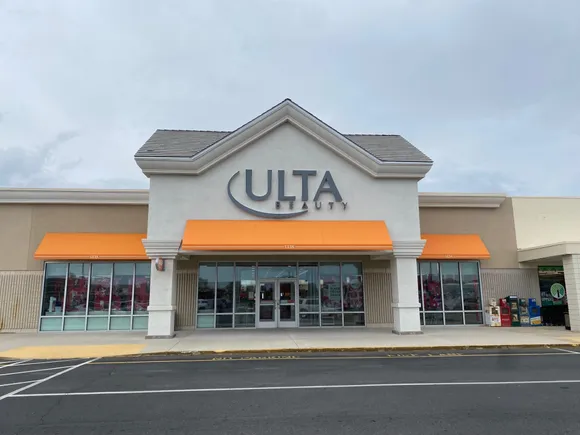
Ulta Beauty has used Flock Safety's automated license plate readers at a small slice of its store fleet, fewer than 1% of roughly 1,500 US locations, since well before this week. The technology reads and logs license plates entering store parking lots and flags matches tied to known organized retail crime activity. It does not use facial recognition. That distinction matters technically, but it did nothing to stop activist group UltraViolet from launching a viral campaign this week accusing Ulta of surveilling its own customers, turning a low-profile vendor relationship into a trending controversy almost overnight.
What makes this notable is the timeline. Ulta's director of organized retail crime, Rory Stallard, spoke publicly about the partnership over a year ago, describing it in plain operational terms: we were looking for technology that would help us bridge the gap and collaborate with law enforcement. Flock even highlighted the partnership itself in a blog post referencing arrests made by Fairfax County police in Virginia tied to an organized retail crime ring hitting multiple Ulta locations. None of that drew attention at the time. The backlash this week has nothing to do with new facts and everything to do with timing and framing.
The Technology Itself Is a Narrower Choice Than It Sounds
License plate readers are a mature, widely deployed technology across parking garages, toll roads, and municipal policing. Flock Safety markets its cameras specifically as a lower-friction alternative to facial recognition, precisely because plate data avoids the sharpest privacy objections tied to biometric identification. On a narrow technical basis, Ulta's deployment ranks among the more conservative options available in retail surveillance today, limited to a fraction of its footprint and aimed squarely at organized crime rings rather than general customer monitoring. That framing gets lost the moment the story goes viral, because a screenshot of a camera pointed at a parking lot carries none of that nuance.
The deeper problem is that Flock as a vendor has accumulated public trust damage well beyond Ulta's own deployment. Its cameras have been vandalized in multiple jurisdictions, and several local governments have publicly reconsidered contracts with the company amid broader concern about how license plate data gets stored, shared, and potentially misused by outside agencies. Ulta inherited that reputational baggage the moment its name got attached to the vendor in a viral post, regardless of how narrowly the company itself actually uses the technology in practice.
The Silence That Made the Story Worse
When the backlash broke, neither Ulta nor Flock responded to requests for comment. For a retailer whose entire brand rests on customer trust and in-store experience, that silence is its own kind of statement, and not a helpful one. In a vacuum, social media users, journalists, and privacy advocates default to the least charitable interpretation of a surveillance technology story, and no amount of internal comfort with the vendor relationship changes that dynamic once it goes public.
This is a familiar failure mode for enterprise loss-prevention and security decisions generally. A CISO or VP of asset protection signs off on a vendor because it solves a real operational problem, organized retail crime cost the industry billions before AI-driven crime rings and resale networks made it worse. But that decision rarely gets a communications plan attached to it, because nobody expects a parking lot camera contract to become a headline. Ulta is now learning that any vendor carrying public controversy elsewhere becomes a liability the moment a customer notices the logo.
What This Means for Vendor Risk Beyond Retail Crime
Enterprise technology and security leaders evaluating any vendor with a public trust problem, license plate readers, facial recognition, data brokers, should treat that vendor's reputation as part of their own risk surface rather than a separate line item confined to procurement. Flock's controversies in other cities were fully public well before Ulta's rollout became a headline. A basic vendor risk review conducted alongside legal and communications, not procurement alone, would have flagged that exposure long before a viral campaign forced the question into the open on Ulta's own terms.
This also argues for pairing any customer-facing surveillance or security technology decision with a proactive communications plan built before deployment, rather than assembled reactively once a crisis is already underway. Retailers broadly agree that organized retail crime is a serious operational cost worth solving with real technology investment. The mistake, common across the industry, is assuming customers will extend the same benefit of the doubt to a security vendor that law enforcement and loss-prevention teams have already come to trust internally.
The Broader Pattern in Retail Security Technology
Ulta is not alone in quietly deploying license plate readers or facial recognition to fight shrink, and it will not be the last major retailer to face this exact backlash cycle. Other chains have rolled out comparable systems with far less public scrutiny, largely because no activist campaign happened to target them yet rather than because their deployments were meaningfully more careful. The technology adoption curve in retail loss prevention has simply moved faster than the public conversation about where its limits should sit, and that gap is where stories like this one keep originating.
The lesson for any retailer running or considering a similar program is straightforward and worth writing down as policy rather than treating as a one-off response. Assume the deployment becomes public eventually. Assume the vendor's other controversies travel with it into that conversation regardless of how the retailer itself uses the tool. And build the customer-facing explanation before the first viral post forces one out under pressure, when the retailer has already lost control of the framing.