A Familiar Problem at a Less Familiar Retailer
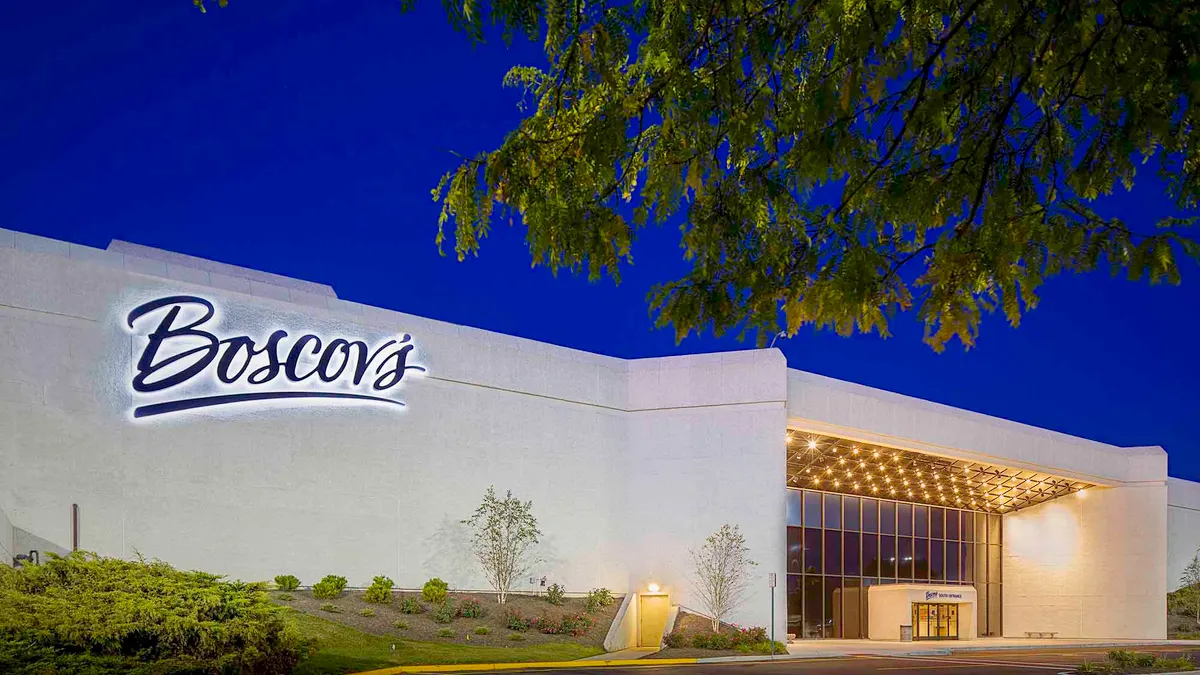
Boscov's is not a name most enterprise technology conversations reach for. It is a privately held, family-run department store chain with a little more than 50 locations across nine states, competing against national players with vastly larger technology budgets. That makes its decision to deploy Manhattan Associates' ActiveOrder platform notable less for the technology itself and more for who is buying it. Unified inventory and order management systems have historically been the province of large public retailers with the budget and integration staff to run them.
The core problem Boscov's is solving is a common one: inventory visibility that stops at the store wall. Order management, store fulfillment, and customer service have typically run on separate systems that do not talk to each other in real time, which means a store can be sitting on inventory that its own ecommerce team does not know exists, or a customer service agent cannot see what a nearby store actually has in stock. ActiveOrder is built to collapse those three functions onto one shared, real-time inventory view.
What Real-Time Inventory Actually Buys a Retailer
CEO Jim Boscov described the goal in direct terms: by unifying how we allocate and fulfill inventory across our stores, we can keep products closer to customers, reduce out-of-stocks, and deliver a smoother omnichannel experience across our stores. That is a specific, testable claim, not a vague digital transformation talking point, and it is the right claim for a mid-size retailer to be making. Out-of-stocks are a direct, measurable revenue loss, and closing that gap does not require the scale of a Walmart or Target to matter financially.
The practical benefits Boscov's is targeting go beyond the shopper-facing experience. Real-time inventory visibility enables ship-from-store as a genuine fulfillment option rather than a manual workaround, and it gives store teams a clearer basis for labor and capacity planning because they can see actual order flow rather than estimating it. Those are operational efficiency gains that show up in cost structure well before they show up in customer satisfaction scores.
Consolidation Over Point Solutions
The IT complexity reduction angle deserves attention on its own. Retailers of Boscov's size frequently accumulate a patchwork of point solutions over a decade or two, one system for order management, another bolted on for store fulfillment, a third for customer service, each integrated just well enough to function and no better. Replacing three systems with one platform is as much an IT operations decision as a customer experience one, and it is often the harder sell internally because the payoff shows up in reduced maintenance burden rather than a flashy new feature.
That distinction matters for any CIO at a similarly sized retailer or distributor currently evaluating unified commerce platforms against a backlog of other priorities. The business case presented to a board should not rest solely on customer-facing improvements, because those are the easiest benefits to overstate and the hardest to attribute cleanly after the fact. A meaningful share of the actual return comes from retiring redundant systems and the integration debt that accumulates around them over years, a benefit that is easy to underweight in a vendor pitch built primarily around the shopper experience rather than the operations team's daily workload.
Why Mid-Size Retailers Are the Interesting Buyers Now
Unified commerce platforms used to require an implementation team and a budget that effectively priced out anything below the top tier of national retailers with dedicated integration staff on payroll. Boscov's deployment is a signal that vendors like Manhattan Associates are now packaging these systems in a way that works for a chain with roughly 50 stores rather than 500 or 5,000, likely through more templated implementations and a leaner professional services engagement than the enterprise contracts of a decade ago. That represents a meaningfully different buyer profile than the enterprise retail technology market has historically served at this price point.
For enterprise technology vendors, that shift represents a genuinely expanding addressable market worth building a go-to-market motion around. For mid-size retail CIOs watching from the sidelines, it is a sign that waiting for scale before investing in unified inventory infrastructure is no longer a defensible position to hold in a budget meeting. Competitors closer to their own size are already making the move, and the out-of-stock problem does not wait for a retailer to cross a particular revenue threshold before it starts quietly costing real money every quarter.
The Takeaway for Enterprise Buyers Evaluating Similar Deals
Boscov's did not disclose specific inventory accuracy or out-of-stock reduction figures alongside this rollout, which is a gap worth flagging rather than glossing over in a story built on real numbers. Retail technology leaders should ask any vendor making similar claims for the same measurement discipline that would be expected from a public company reporting to its investors, a specific before-and-after figure on stockouts or fulfillment speed, rather than accepting a description of expected benefits at face value and revisiting the question only after the contract is already signed.
Still, the direction of the decision carries more weight here than the missing numbers do. A privately held, regionally focused department store chain choosing to consolidate order management, fulfillment, and customer service onto one real-time platform is a clear statement that this category of infrastructure has moved from a nice-to-have reserved for the largest retailers to table stakes for any operator competing seriously on omnichannel fulfillment, regardless of its size or ownership structure.