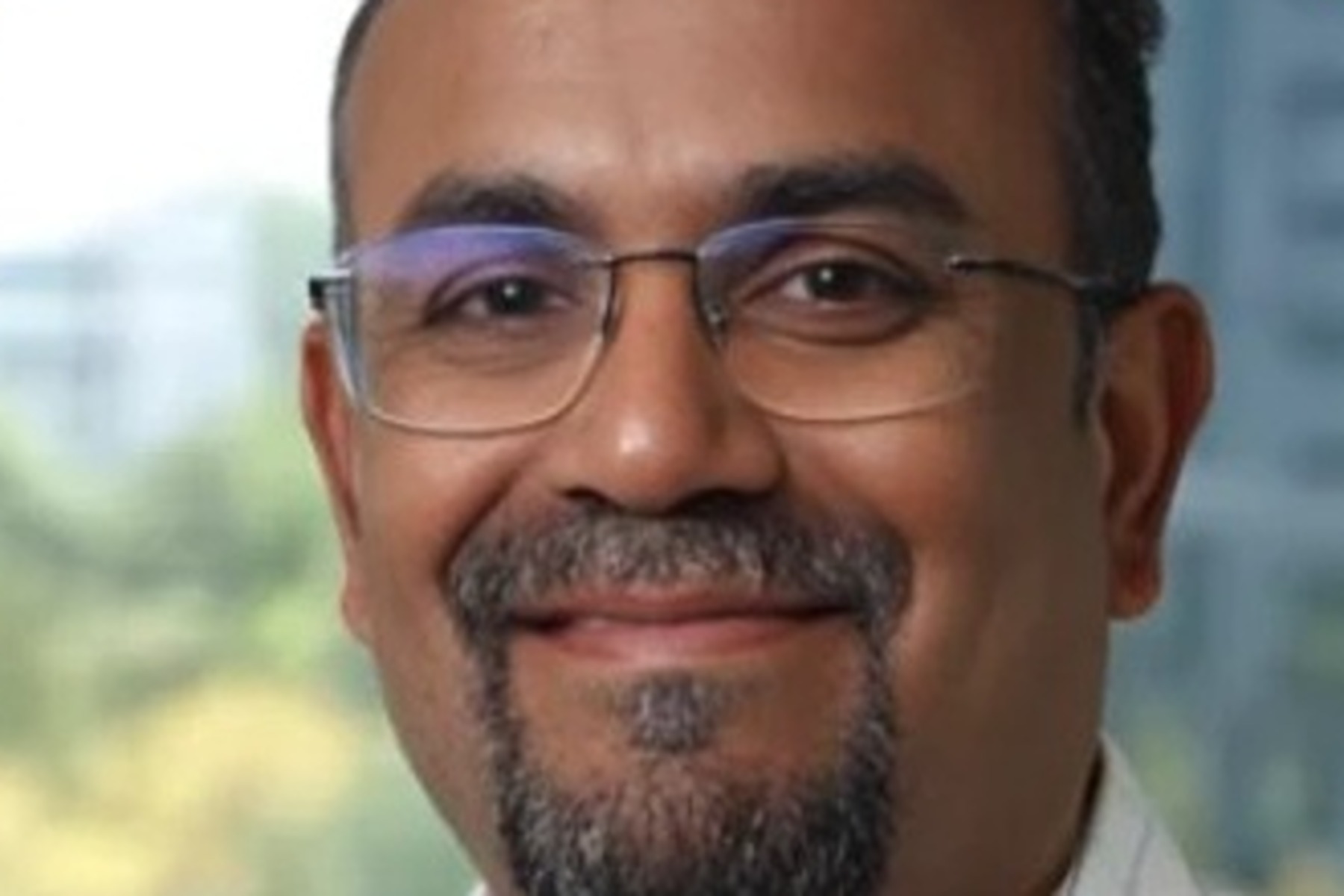
Two Consumer Brands, Two New Tech Chiefs
Leadership pages rarely make headlines, but the people who fill the CIO seat tell you a great deal about where a company thinks its next decade of value will come from. Two appointments this month are worth pairing because they rhyme. Consumer Cellular named Kannan Alagappan as its chief information officer, and Topgolf named Jay Spears to the same role. Both are consumer facing brands, one in wireless service and one in experiential entertainment, and both reached for technology leaders whose track records are about building and modernizing platforms rather than simply administering them. The choice of profile is the tell.
We read these moves as a small but representative sample of how the CIO mandate has shifted. Neither company is a technology vendor, yet both treated the selection of a technology chief as a strategic bet on growth and customer experience. That is a meaningful departure from the era when the CIO was hired primarily to keep email running and contain cost. The brands competing for everyday consumer attention now understand that the quality of their digital experience is the product, and that the person who owns that experience belongs in the room where strategy is set, not merely the one where budgets are trimmed.
An AI-Native Pedigree at Consumer Cellular
Kannan Alagappan arrives at Consumer Cellular with a resume built for exactly this moment. Most recently he served as CTO at Circles, where he helped build and scale what is described as an AI-native full-stack SaaS platform, the kind of ground up, AI-first architecture that established companies are now racing to emulate. Before that he was CTO at Dish Network, where he led modernization of the company's technology stack, the less glamorous but essential work of dragging an incumbent's systems into the modern era. The pairing of greenfield AI-native experience and brownfield modernization experience is precisely the blend a maturing consumer brand needs.
That combination is more valuable than either credential alone. Plenty of leaders can describe an AI-native platform in the abstract, and plenty can manage a legacy modernization, but the rare and useful skill is knowing how to bring AI-native thinking to a company that already carries the weight of established systems and customers. Consumer Cellular operates in a wireless market defined by thin margins and relentless customer service expectations, where the efficiency and personalization that modern platforms enable translate directly into retention and cost. Hiring someone who has built the new and rebuilt the old signals an intent to do both at once, which is the harder and more durable path.
Topgolf Bets on Experience Engineering
Jay Spears moves to Topgolf from CEC Entertainment, the operator behind Chuck E. Cheese, with earlier leadership stops at Six Flags Theme Parks, Urban Air Adventure Parks, KPMG, and EZLynx. The through line is unmistakable: this is a career spent making technology work in high volume, experience driven, physical venues where the digital and the in person have to mesh seamlessly. Theme parks and entertainment centers live or die on operational reliability and on the smoothness of the guest journey, from booking to payment to the moment of fun itself. That is a very particular discipline, and Spears has practiced it across several of the most demanding venues in the category.
For Topgolf the fit is logical, because its business sits squarely at the intersection of physical hospitality and digital engagement. The company's appeal depends on technology that is invisible when it works, the reservation systems, the gameplay tracking, the payment and loyalty mechanics that turn a visit into a repeatable habit. A CIO who has spent a career engineering guest experience at scale is being asked to treat technology as a driver of the core product rather than a support function behind it. We see the appointment as another data point in the steady migration of the CIO role away from infrastructure stewardship and toward ownership of the experience that customers actually pay for.
A Broader Reshuffle in Motion
These two hires are not isolated events but part of a busy stretch of technology leadership change. The same period has seen new chief information officers land at Diebold Nixdorf, where Raj Singh joined from Visteon, at Crown Castle, where Mark Lennon arrived from Net Power, at BDO USA, at Telephone and Data Systems, and at Aircastle, where Nadene McKenzie-Reid came over from NatWest. The list cuts across financial services, infrastructure, professional services, and aviation finance, which tells us the churn is not confined to any one sector. It is a broad based reshuffling of who holds the technology mandate across the economy.
Two patterns stand out when we look across the cohort. The first is cross industry mobility: technology leaders are moving fluidly between sectors, carrying platform and AI expertise from one domain into another, which suggests boards increasingly value generalizable technology judgment over deep vertical tenure. The second is that the hiring is concentrated in established, non technology native companies, the kind of organizations that historically treated IT as a cost center. That these firms are now investing in senior technology talent is itself the signal. The competition for capable, AI literate technology leadership has spread well beyond Silicon Valley, and the bench is being rebuilt across the whole economy.
What the Pattern Tells CXOs
For chief executives and boards watching this movement, the appointments carry a practical message about what to look for in a modern technology chief. The candidates winning these roles are not pure infrastructure operators. They are leaders who can speak credibly about AI strategy, platform architecture, and customer experience, and who have demonstrated the ability to both build new capabilities and modernize inherited ones. The premium on that profile is real and rising, and organizations that keep recruiting for a narrower, keep the lights on definition of the role will find themselves outmaneuvered by competitors whose technology leadership sits closer to the center of the business.
The deeper implication is organizational, and it concerns where the CIO sits in the hierarchy of decisions. As technology becomes inseparable from product, customer experience, and growth, the boundary that once separated the CIO from the CEO's strategic inner circle is dissolving. The leaders profiled here were hired not to administer systems but to shape how their companies compete, and the breadth of the broader reshuffle suggests that expectation is becoming the norm rather than the exception. We read this month's appointments as a quiet confirmation that the question facing boards is no longer whether technology leadership belongs at the strategy table, but whether they have put the right person in that seat.