Executive appointments are easy to skim past as routine corporate housekeeping, but read in aggregate they are one of the clearest signals of where enterprise priorities are heading. A fresh wave of technology-chief moves this summer, spanning Starbucks, Goodyear, Lumen, and DXC Technology among others, is worth pausing on for exactly that reason. The individual hires matter to their companies, but the pattern matters to everyone. It shows an unmistakable shift in what organizations now demand from the people they put in charge of technology, and how central that role has become.
A Coffee Giant Bets on an Amazon Builder
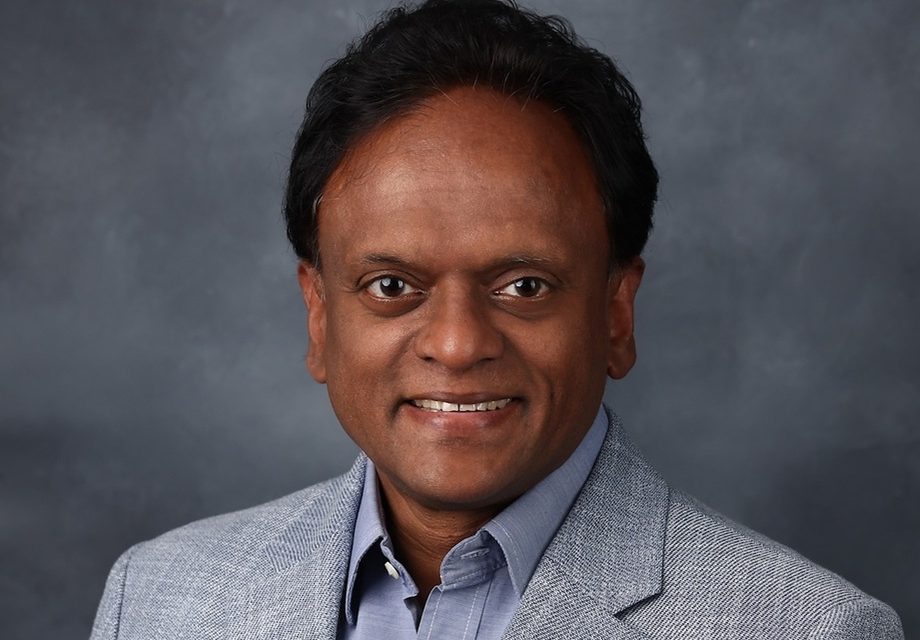
The most telling of the recent appointments is Starbucks naming Anand Varadarajan as its global chief technology officer, with the technology division reporting directly to chief executive Brian Niccol. Varadarajan arrives from Amazon, where he spent close to nineteen years in technology roles, most recently responsible for technology and supply chain across Amazon's worldwide grocery stores business. That pedigree is the point. Starbucks did not recruit a caretaker administrator of existing systems. It recruited a builder from the company that arguably defines operational technology at scale.
The reporting line is as significant as the resume. When the top technology executive reports straight to the chief executive, the company is declaring that technology is a strategic function to be led from the front, not a cost center to be managed at arm's length. A retailer competing on mobile ordering, loyalty, and supply-chain precision cannot treat technology as plumbing, and the Varadarajan hire reflects that recognition. Starbucks is signaling that its future performance is inseparable from the quality of its technology leadership, and it has gone to the market's toughest operator to secure it.
Industrial and Telecom Names Recast Their Tech Leadership
The pattern extends well beyond retail. Goodyear brought on Raman Mehta as chief information officer, placing an experienced technology leader at the center of a storied industrial manufacturer navigating its own digital transformation. Legacy manufacturers face a distinctive challenge: modernizing decades-old operational systems and factory-floor technology while keeping production running without interruption. The choice of an established CIO for that mandate underscores that industrial competitiveness now hinges as much on software and data as on the physical products rolling off the line.
At Lumen, the appointment of Jim Fowler as Chief Technology and Product Officer is notable for the title itself. Combining technology and product leadership under a single executive reflects a growing recognition that, for many companies, technology and product are no longer separable domains. The infrastructure and the customer-facing offering are increasingly the same thing. DXC Technology, meanwhile, added a Chief Digital and Information Officer, a blended title that has become common precisely because it captures the dual mandate modern technology leaders carry, running internal systems while driving external digital strategy.
The Job Description Has Changed
Taken together, these moves trace how profoundly the senior technology role has evolved. The old CIO was principally a steward of infrastructure and operations, measured on uptime, cost control, and keeping the lights on. The executives now being recruited are expected to drive business transformation, own product and revenue-adjacent outcomes, and translate emerging technology into strategic advantage. The expanded and combined titles, chief technology and product officer, chief digital and information officer, are not vanity relabeling. They describe a genuinely broader scope of responsibility.
The talent market reflects this expansion. Companies are increasingly reaching for leaders who marry deep technical credibility with business acumen, people who can sit in a strategy discussion and an architecture review with equal authority. That combination is scarce, which is why organizations are willing to poach from the most demanding technology companies and to elevate the role's reporting line and title. The premium on this profile is a direct consequence of how much more the job now encompasses, and how much more depends on getting it right.
The AI Dimension Runs Underneath It All
It is impossible to read this hiring wave without seeing artificial intelligence as the current running beneath it. Enterprises are betting that AI will reshape their operations, products, and cost structures, and they need technology leaders who can turn that bet into working systems rather than slide decks. The surge of chief AI officer appointments over the past two years, and the AI mandate now written into so many CIO and CTO briefs, reflects an urgent search for executives who can operationalize AI at enterprise scale. It is proving to be one of the scarcest leadership skills in the market.
This puts real pressure on the executives stepping into these roles. They are inheriting outsized expectations about AI-driven transformation at a moment when the technology is advancing faster than most organizations can absorb it, and when the gap between AI ambition and AI results remains wide. The leaders who succeed will be those who can separate durable value from hype, sequence investment sensibly, and deliver outcomes without betting the company on immature capabilities. It is a demanding brief, and the frequency of these appointments suggests boards know how much rides on filling it well.
What Boards and Executives Should Read Into It
For boards, the lesson embedded in this carousel is that technology leadership has become a core determinant of competitive position, and hiring for it deserves the same rigor as selecting a chief financial officer or chief operating officer. The companies moving decisively, recruiting proven builders, elevating the reporting line, broadening the mandate, are treating the role as strategic. Those still filling it with caretakers focused narrowly on cost and uptime are quietly ceding ground to competitors who have recognized that technology is now inseparable from strategy itself.
For technology executives, the widening scope is both an opportunity and a warning. The role offers more influence, a seat closer to the center of the business, and a direct hand in strategy than ever before. It also carries broader accountability and higher expectations, particularly around AI and transformation, where results have been uneven and patience is finite. The technology chiefs who thrive in this environment will be those who can operate fluently as business leaders while retaining the technical depth to know what is genuinely achievable. That dual fluency, more than any single credential, is what this summer's appointments are really selecting for.