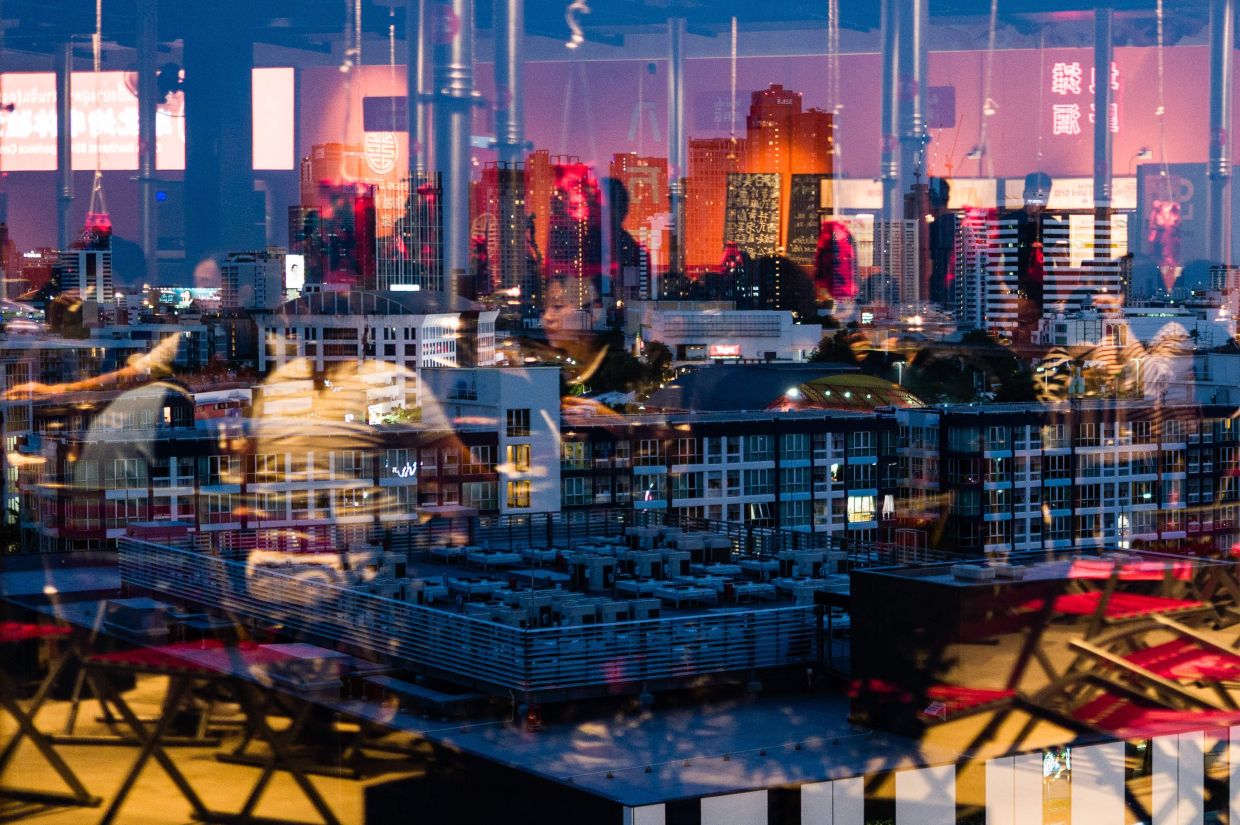
Two Governments, One Week, Same Conclusion
Bangkok Governor Chadchart Sittipunt moved first, freezing approvals for new large data center projects on September 2 and shelving three pending stand-alone applications outright. His office put it plainly: "There are no new licences for big projects now." Every project still awaiting a decision now faces inspection across multiple city departments, including the Department of Energy Business, the Energy Ministry, the Metropolitan Electricity Authority, and the Metropolitan Waterworks Authority, all of which flagged concerns before the freeze.
Two days later, the pause went national. Thailand's National Economic and Social Development Council, working alongside a newly formed data center supervision commission chaired by Finance Minister Ekniti Nitithanprapas, extended the suspension to 49 projects across the country. Ekniti framed the move as a standards problem rather than an anti-industry one: "We simply want clear and consistent standards in place to ensure the industry can grow sustainably." New rules are expected within roughly a month, which means the projects are paused on a clock that nobody outside the commission controls.
The Money on Hold Is Not Small
The suspended pipeline includes some genuinely large commitments. TikTok Thailand's expansion, spanning Bangkok, Samut Prakan, and Chachoengsao provinces, carries an 842 billion baht price tag on its own. Skyline Data Centre's Chachoengsao facility is valued at 46 billion baht, and Bridge Data Centres has a 24.6 billion baht project in Chonburi now sitting in the same inspection queue as everything else. These rank among the kind of investments that show up in a country's national infrastructure planning, backed by developers with real capital and real timelines rather than speculative filings.
The pause comes right after a period of extremely fast approval activity. Thailand approved 88 AI and data center projects worth 886 billion baht in just the first half of 2026, following 728 billion baht across 36 projects in all of 2025. That acceleration is exactly what triggered the scrutiny: officials are effectively admitting the approval pipeline outran the regulatory framework meant to govern it, and they are stopping to write the rules the volume should have required from the start.
The Resource Math Behind the Freeze
The specific concerns are concrete, not abstract. Officials pointed to diesel fuel storage limits at facilities running in the 200,000 to 500,000 liter range, water consumption running around 7,800 cubic meters monthly per facility, and electricity demand that one official noted can exceed what a typical Bangkok data center actually draws, roughly 8 megawatts of real consumption against 20 megawatts of built capacity. Noise, vibration, and heat discharge near residential areas, including sites close to Ramkhamhaeng and Rama IX Hospital, added to the list of complaints driving the review.
None of this is unique to Thailand. It is the same set of pressures that have slowed or blocked data center projects across multiple markets this year, and Data Center Watch has tracked roughly 75 projects worth close to 130 billion dollars blocked or delayed globally in just the first quarter of 2026. What makes Thailand's version notable is the scale and speed of the response: a national commission stood up and a nationwide freeze issued within days of the local Bangkok pause, rather than the slower, county-by-county fights that have characterized similar disputes in the United States.
Why Southeast Asia's Site-Selection Story Just Got More Complicated
Thailand has 35 data centers currently operational and another 117 awaiting investment approval, a pipeline that made it one of the more attractive Southeast Asian markets for hyperscalers and neoclouds looking for capacity outside the increasingly contested US and European markets. Google, Amazon, and Microsoft have all been building capacity in the country, drawn by the same combination of available land, relatively cheap power, and government eagerness to court AI infrastructure investment that made Thailand look like a straightforward bet.
A national freeze, even a temporary one, changes that calculus for anyone with capital committed or a site-selection decision pending. Ekniti's own language about wanting "clear and consistent standards" reads as a government trying to get ahead of a problem before it becomes an Algoma Steel-style local backlash or a Pennsylvania-style permitting fight, a rulemaking pause rather than a retreat from courting hyperscaler investment. For enterprise buyers weighing Southeast Asia against Latin America, the Gulf, or domestic US sites, a 117-project approval backlog now sitting behind a month-long regulatory rewrite still counts as a real delay worth building into any site-selection timeline.
What This Means for Anyone Planning Capacity in the Region
For enterprise technology leaders evaluating Thailand or similar fast-growing Southeast Asian markets for cloud capacity, the near-term read is simple: treat any site-selection timeline in the region as provisional until the new commission publishes its standards. A month is the government's own estimate, and government estimates on regulatory timelines are optimistic more often than not. Anyone with a colocation contract or capacity reservation tied to a project on that list of 49 should be asking their provider directly whether the specific facility is affected and what the contingency plan looks like if the freeze runs past its stated window.
The longer-term signal matters more than the immediate delay. Governments that were racing to attract AI infrastructure investment are now visibly worried about outrunning their own capacity to regulate it responsibly, and Thailand will not be the last market to hit this wall. Enterprise buyers who have been treating emerging data center markets as simply cheaper, faster alternatives to saturated US hubs should build regulatory volatility into that comparison, because the same growth that made these markets attractive is exactly what is now triggering the scrutiny.


