A 1970s office park, reimagined as server halls
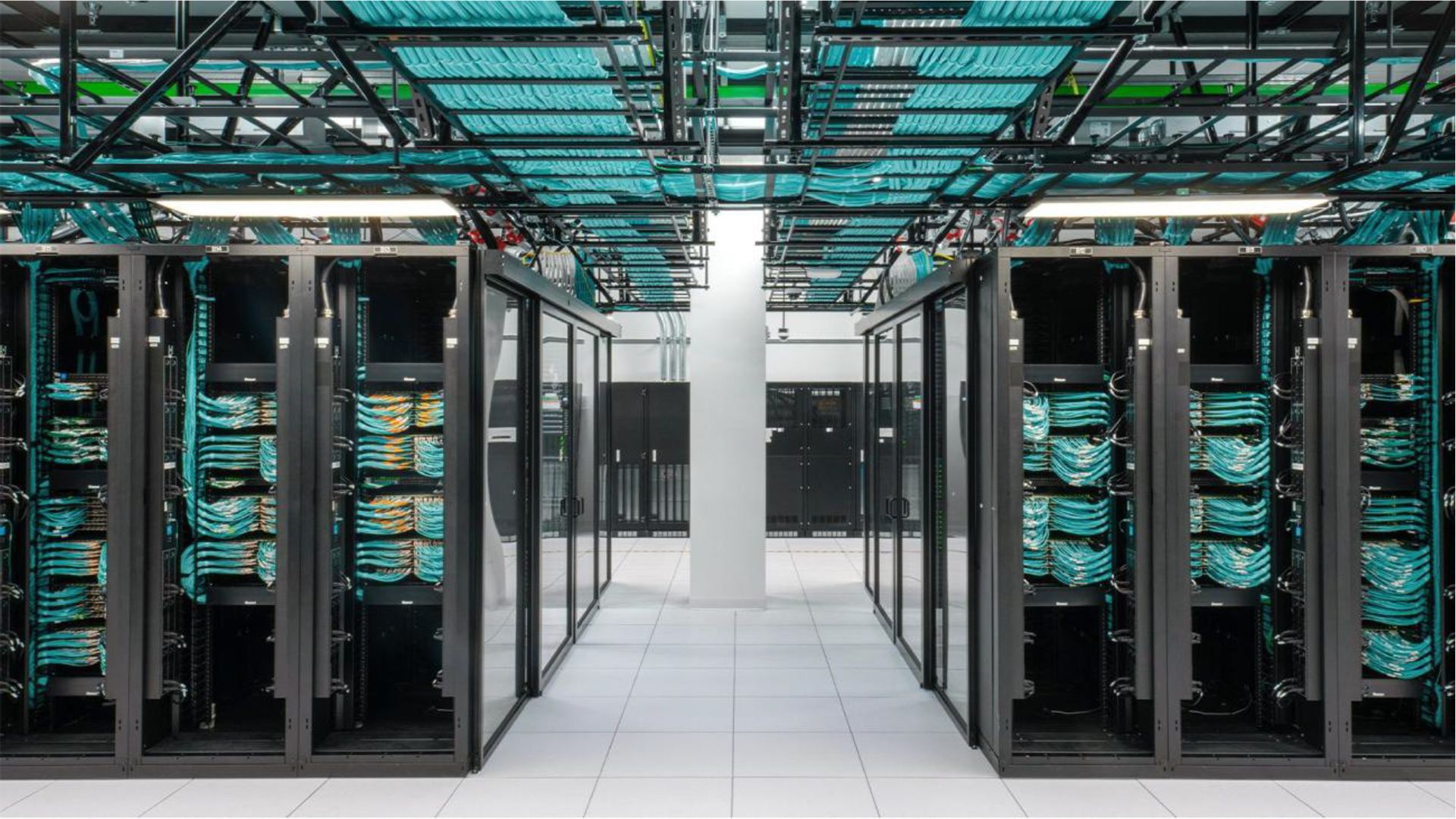
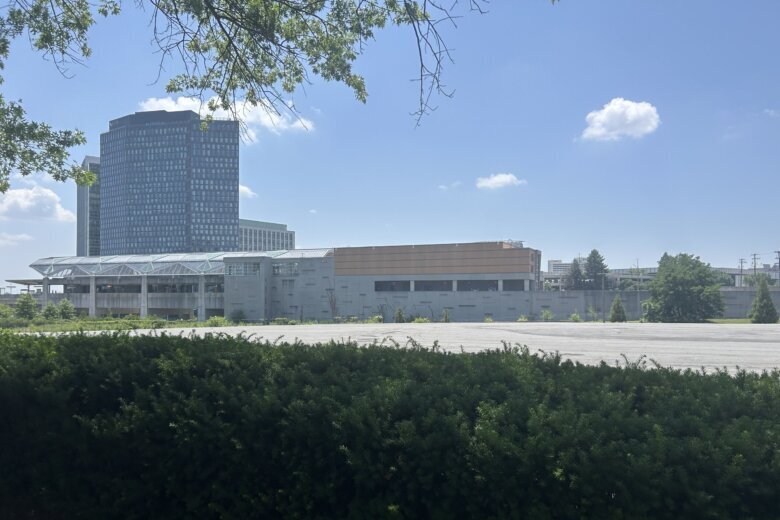
Serverfarm has filed a special exception application with Fairfax County to tear down two 1970s office buildings and a six story parking garage at 7980 and 7990 Quantum Drive in Tysons and replace them with a two building data center campus it calls Vienna Cloud. The combined project would total roughly 316,228 square feet across the 14.4 acre site, expanding one building from just over 80,000 square feet to 95,015 and the other to more than 221,000 square feet. Serverfarm bought the properties in October 2025, part of a chain of sales stretching back to a 2011 purchase from SAIC and a 2017 acquisition by Legacy Investing and Element Critical.
The pitch to the county leans on reduced traffic. Serverfarm's filing claims the site's currently approved 157 weekday morning peak hour trips would fall to just 29 once the office buildings become server halls, and it offers a new sidewalk, a perimeter trail, a public playground, and an art wall as community amenities. Those additions are the kind of concessions data center developers increasingly bundle into applications once a project runs into a residential buffer problem, and this one runs into several.
Five exceptions, one application
The special exception application does not ask for one waiver, it asks for five. Serverfarm wants the floor area ratio raised from 0.40 to 0.50, the required Metrorail proximity shortened from one mile to about 0.9 miles to match the actual distance to the Tysons Corner station entrance, and the standard 200 foot residential buffer cut down substantially. County filings and earlier renderings put the buildings as close as 107 to 131 feet from the Reserve at Tysons Corner apartments and the Heritage Point townhouses.
On top of the setback ask, Serverfarm wants relief from the transitional screening standard, proposing a hedgerow instead of the wall the county code otherwise requires along Kidwell Drive, plus permission to plant roughly 30 fewer trees than the tree canopy ordinance calls for. Each exception is defensible in isolation. Stacked together, they describe a project that fits the site only if the county agrees to waive most of the rules written to keep industrial scale infrastructure away from where people sleep.
The generator problem the filing does not solve
Data centers this size do not run on utility power alone. Nature Forward's Renee Grebe has already flagged what she describes as 28 diesel generators that would sit near the residential buffer, warning of 24 hours of noise pollution once the campus is operating and testing its backup power on a routine schedule. That objection tracks a pattern showing up across Northern Virginia and beyond this year, where backup generator counts, not the data halls themselves, have become the flashpoint in community opposition to hyperscale and colocation projects alike.
Serverfarm has tried to get ahead of the noise argument by commissioning its own acoustic study, which it says shows no increase in ambient noise levels compared to current conditions. Whether that satisfies a Board of Supervisors weighing a public hearing scheduled for November 18, 2026 is a separate question from whether it satisfies the residents who will live within a football field's length of the equipment. Special exception votes in Fairfax County have gone both ways this cycle, and proximity has been the deciding factor more often than square footage.
Why office parks are suddenly data center land
Serverfarm's own footprint explains the appeal of a site like this one. The company, founded in 2009 and acquired by Manulife Investment Management in 2023, operates 10 data centers across North America, Europe, and Israel totaling more than 1.5 million square feet and 625 megawatts of IT capacity, but Vienna Cloud is its first ground up Virginia project. Buying an obsolete office park inside the Beltway, a mile from a Metro station, gets a developer land entitlements and utility access that would take years to assemble from raw parcels in Loudoun or Prince William counties.
That calculus is playing out across the region as vacant and half occupied office towers built for a pre remote work economy become the fastest available inventory for an industry racing to add capacity. The tradeoff is that these sites almost always sit closer to existing housing than a purpose built campus on former farmland would, which is exactly why the entitlement fight, not the construction timeline, is now the long pole in getting projects like Vienna Cloud online.
What this means for enterprise buyers
For CIOs and infrastructure leads sourcing colocation or evaluating a hyperscaler's regional capacity commitments, the Vienna Cloud fight is a useful data point on timeline risk. A project that already owns its land and claims reduced traffic impact still needs five separate zoning exceptions and a public hearing four months out before shovels can move, and Fairfax County supervisors have shown they will scrutinize generator counts and setback distances closely when apartments sit across the street.
The broader signal is that data center supply in established metros like Northern Virginia is increasingly coming from conversions and infill projects like this one, sitting alongside the greenfield megacampuses that draw most of the headlines, and that this infill supply carries its own distinct delivery risk profile. Anyone underwriting a multi year capacity commitment tied to a specific submarket should ask providers directly how many of their pipeline projects still need contested zoning relief, since a scheduled hearing date functions less as a guarantee of approval and more as the starting point for a Board of Supervisors debate that could run into appeals well beyond November.