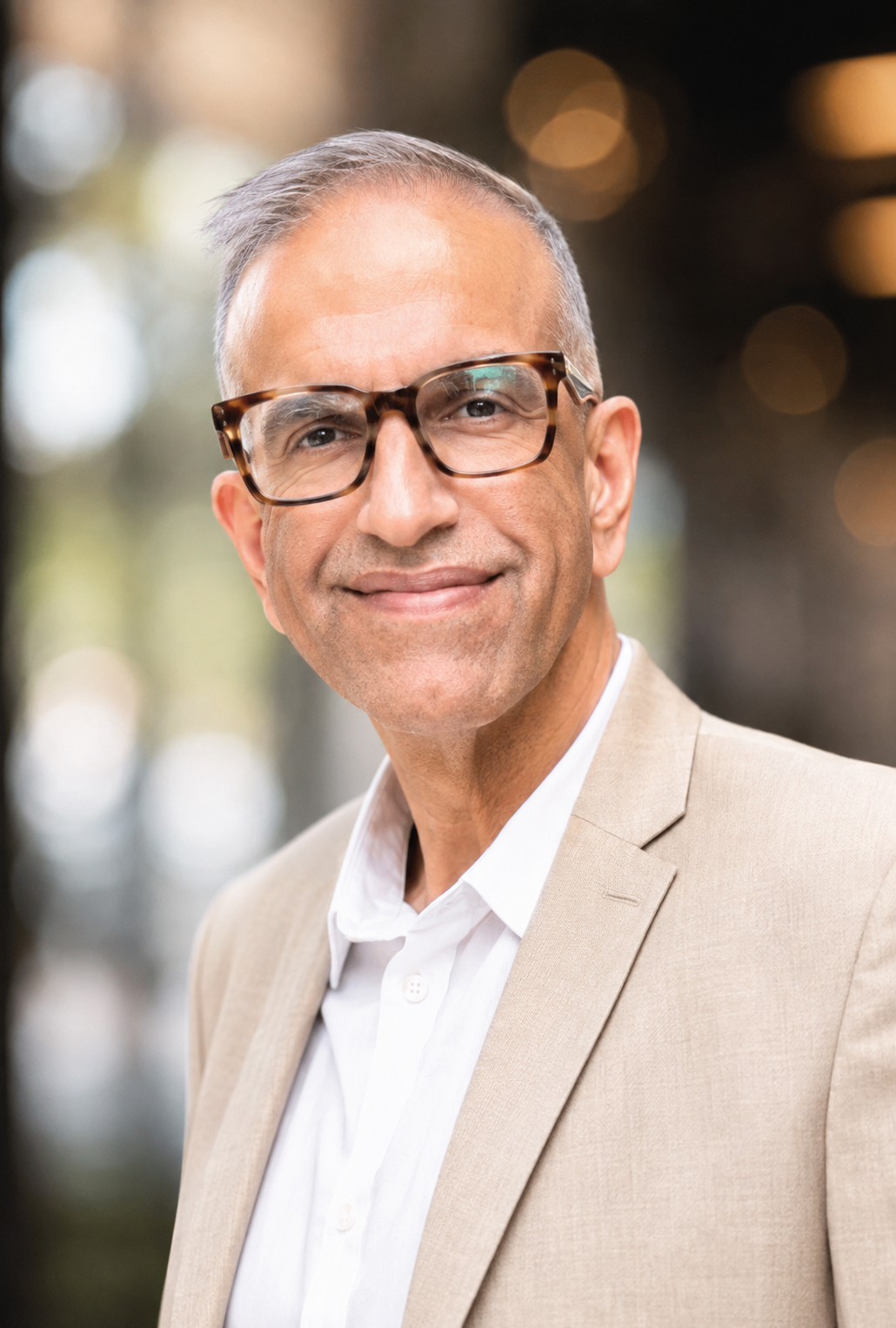
The departure and who is leaving
Chris Malone, OpenAI's head of data centers, left the company roughly 13 months after joining in March 2025 to run one of the most consequential infrastructure buildouts in the industry. Before OpenAI, Malone spent nearly five years at Meta and more than a decade at Google working on large-scale infrastructure, giving him one of the more relevant resumes available anywhere for the physical data center expansion OpenAI needs to keep pace with surging model training and inference demand across its enterprise and consumer products alike.
OpenAI told reporters it had 'recently reorganized' its infrastructure organization to 'support the scale and pace of our work,' and as part of that change Malone had already been shifted to report to Vice President Sachin Katti instead of President Greg Brockman, who had previously overseen the infrastructure function directly. A demotion in reporting line shortly before a departure is a familiar corporate pattern, and it suggests this particular exit followed a genuine internal restructuring decision rather than a simple external offer pulling Malone away on its own.
A pattern, not an isolated exit
Malone's departure fits a much larger pattern already underway inside OpenAI this year. Business Insider's running tally puts OpenAI's senior executive departures for 2026 at 13 in total, a list that includes chief operating officer Brad Lightcap, chief revenue officer Denise Dresser, and product and business chief Fidji Simo, each of whom held mandates central to how OpenAI actually runs its commercial business day to day. Head of ethics Chloe Bakalar left in July, chief marketing officer Kate Rouch left in April, and head of Sora Bill Peebles also left that same month, rounding out a year of near-continuous turnover at the top of the organization.
Dresser's exit came less than a year into her tenure as chief revenue officer, and OpenAI has since brought in Dali Rajic, a former Wiz executive, to fill the seat and rebuild the commercial relationships she oversaw. Losing a chief revenue officer inside of a single year and then filling that seat with an outside hire from a different industry entirely is exactly the kind of account-continuity risk that enterprise procurement teams are supposed to flag before signing multi-year commitments, not discover afterward when their account team changes without warning.
Why the infrastructure exits matter more than the rest
Executive churn in marketing or ethics functions is worth a passing note but rarely changes the substance of a vendor relationship for enterprise buyers. Churn in the infrastructure organization is fundamentally different, because it directly touches the compute capacity, uptime guarantees, and buildout pace that paying enterprise customers rely on every single day. Malone was personally responsible for exactly the kind of data center capacity expansion OpenAI needs to meet growing enterprise API demand and Copilot-style integration commitments across its largest accounts.
Losing the executive who owned that buildout, on the heels of a reorganization that shuffled reporting lines around him just before his exit, raises a legitimate and specific question about execution continuity on OpenAI's compute roadmap over the next several quarters. Enterprise buyers who have built roadmap commitments or capacity guarantees around OpenAI's promised infrastructure timelines should ask their account teams directly how this reorganization affects delivery, rather than simply assuming operations continue unaffected behind the scenes.
The IPO delay adds context, not comfort
OpenAI's public listing, originally expected sometime in 2026, has now slipped to 2027 according to recent reporting on the company's plans, giving the leadership team more runway to settle before facing public shareholders. Companies preparing for an initial public offering typically want to project executive stability in the year or two beforehand, since public market investors and underwriters price leadership turnover as a tangible governance risk that shows up directly in valuation discussions, roadshow questions, and prospectus disclosures once the filing process formally begins.
Thirteen senior departures inside a single calendar year, arriving just ahead of a delayed public listing, is close to the opposite of the stability narrative a pre-IPO company usually wants analysts and prospective investors to believe. This does not mean OpenAI's underlying technology or product roadmap is in immediate danger. It means the company's internal leadership bench is being reshaped faster than its external commercial commitments are being renegotiated, and that gap is precisely where enterprise customers get blindsided by account turnover, pricing changes, or shifted delivery timelines nobody warned them about in advance.
What this means for buyers standardizing on OpenAI
If your organization has standardized on OpenAI as a primary model or infrastructure vendor, this is the moment to ask your procurement and vendor risk teams for an updated executive continuity assessment rather than settling for another routine model performance review. Ask specifically who currently owns your account relationship, whether that person reports into a function that has already seen turnover this year, and what contractual protections your agreement actually provides if delivery commitments slip during an internal reorganization.
This is also a good reason to keep a credible second option live in your architecture, whether that means Anthropic, a strong open-weight model, or another established provider entirely. Vendor concentration risk usually gets discussed only in the abstract, right up until an account team changes twice inside twelve months and nobody on the buying side saw it coming. Thirteen departures in one year is exactly the kind of number that should move this conversation from a hypothetical slide in a risk deck to a concrete line item in your next vendor review.