A legacy-critical vendor makes a modernization bet
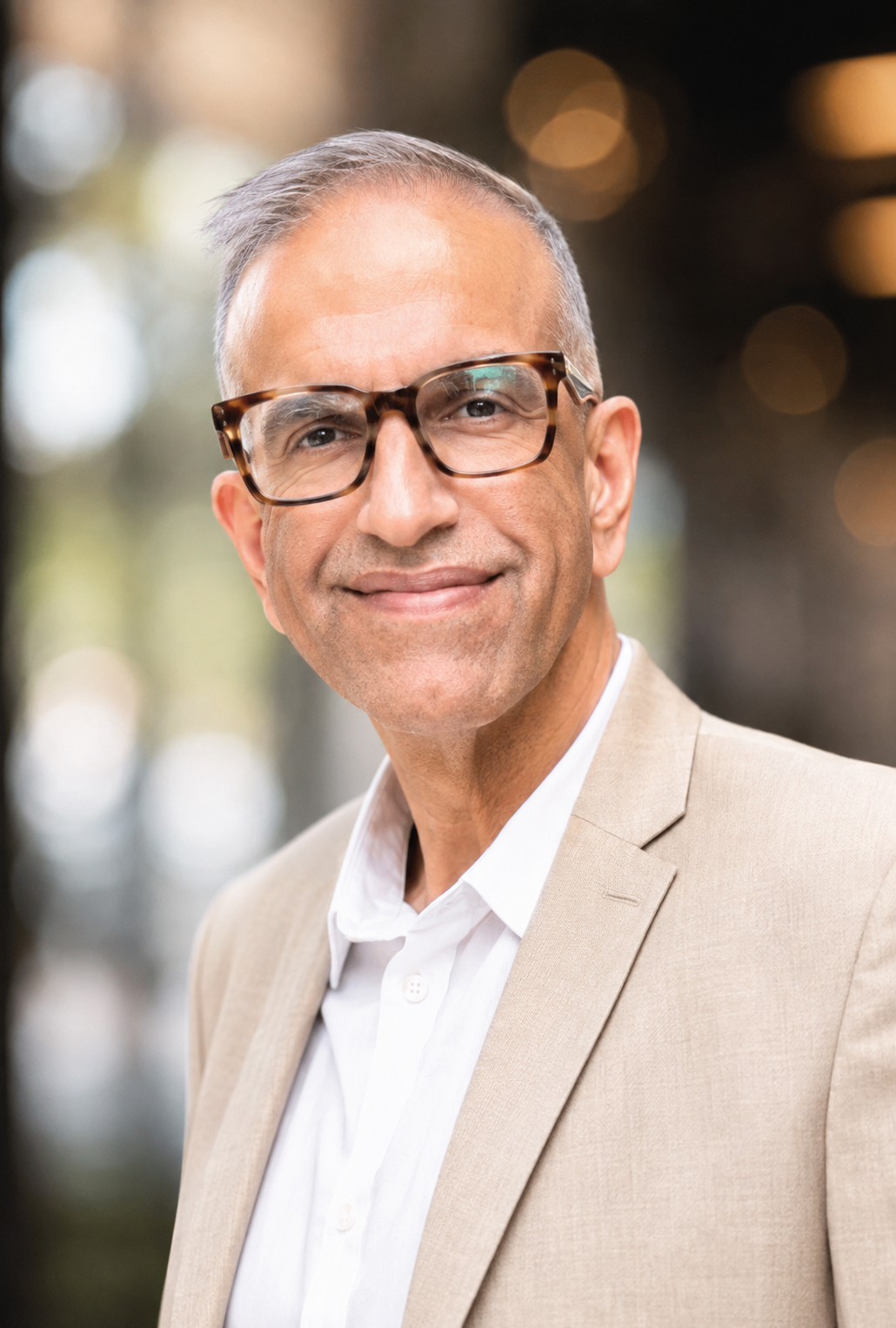
LERETA has provided property tax and flood hazard data to mortgage servicers and insurers since 1986, making it exactly the kind of infrastructure vendor most borrowers never hear of but nearly every mortgage servicer in the country quietly depends on to stay compliant with tax and flood disclosure requirements. The company named Khurram Malik as Chief Technology Officer on August 19, tasking him with leading platform modernization, cloud strategy, and AI-enabled engineering initiatives across the entire organization over the coming years, a mandate that reaches well beyond a typical infrastructure refresh into how the company builds software going forward.
Company leadership described Malik as 'a transformational addition' who 'has led large technology organizations and delivered cloud transformations from legacy platforms,' language that signals LERETA views its current infrastructure as a genuine strategic constraint rather than a routine maintenance line item to be handled quietly in the background. For a company whose entire product is data accuracy and platform uptime, that framing carries more operational weight than it would at a typical consumer-facing SaaS vendor.
The background that earned him the mandate
Malik spent nearly nine years at Capital Group as Vice President of Software Engineering, managing more than 300 engineering professionals and personally directing an AWS cloud-native transition, before moving on to CoStar Group. At CoStar, he led engineering for the LoopNet.com marketplace and directed both a further cloud migration effort and the implementation of multi-agent AI frameworks, giving him direct and genuinely recent experience with the exact combination of legacy modernization and applied AI deployment that LERETA is now asking him to replicate.
Earlier stops at Apple, Pacific Life, and Openwave Systems round out a career that spans consumer technology, insurance, and financial services in roughly equal measure. He holds a CISSP security certification alongside an MBA in finance, a combination that fits neatly with a vertical services company where nearly every technology decision carries direct regulatory, security, and compliance consequences for its lender customers downstream. Few CTO candidates in the mortgage services space combine security credentialing with hands-on cloud migration leadership at this scale, which likely narrowed LERETA's search considerably.
Why this hire matters beyond mortgage services
LERETA sits in a category of company that enterprise technology coverage frequently overlooks entirely: mission-critical, low-visibility infrastructure vendors whose downtime creates compliance headaches for their customers rather than splashy consumer-facing outages that make headlines. These companies are often running technology stacks that have gone without meaningful modernization for a decade or longer, simply because the underlying business kept working well enough that leadership kept deferring the investment year after year.
Malik's hire signals that this entire category of company is now treating cloud and AI modernization as a competitive necessity rather than a discretionary upgrade to schedule someday. His specific experience implementing multi-agent AI frameworks at CoStar, not merely migrating infrastructure to the cloud, suggests LERETA wants AI-enabled engineering velocity as an explicit and measurable outcome of this hire, not simply lower infrastructure costs a few years down the road. Vendors in adjacent categories, title insurance, flood certification, and escrow services among them, should expect similar hiring pressure soon.
The playbook other vertical software leaders should watch
For CTOs at similarly positioned vertical software or data services companies, the relevant question is rarely whether to modernize at all but rather who can actually execute that modernization without breaking a compliance-critical product somewhere along the way. Malik's track record directing a full AWS cloud-native transition at Capital Group while simultaneously managing a 300-person engineering team is exactly the kind of large-scale, low-drama execution history that boards should be screening for when making comparable hires of their own, rather than defaulting to the most technically impressive resume in the pile.
CIOs evaluating their own legacy-to-cloud roadmap should also note the sequencing implicit in Malik's resume: cloud migration comes first, and AI framework implementation follows on top of the already-modernized platform. Companies that instead try to bolt AI capability directly onto unmigrated legacy infrastructure tend to generate more technical debt than measurable value, and this hire suggests LERETA's leadership clearly understands why that ordering matters before committing budget to either phase.
What to track from here
The real measure of this hire's success will be whether LERETA's tax and flood data platform maintains or actually improves its reliability throughout the modernization window, since any meaningful degradation would directly affect mortgage servicers' own compliance obligations to regulators and investors. Vertical infrastructure vendors do not get the same grace period that consumer software companies typically enjoy when a migration effort goes sideways midstream, because a missed tax deadline or an inaccurate flood determination has real regulatory consequences downstream for the lenders relying on that data every single day.
For enterprise buyers who depend on LERETA or similar low-visibility infrastructure vendors for compliance-critical data feeds, this is a good moment to ask your own vendor management team what modernization roadmap is currently underway at your critical service providers and what contractual protections exist if a migration effort introduces unexpected service disruption. Legacy modernization happening at a vendor you depend on becomes your operational risk too, even when you had no say in setting the timeline. A short questionnaire to your top ten infrastructure vendors this quarter costs little and surfaces this kind of exposure early, well before a migration incident forces the conversation on somebody else's schedule instead of yours.


