What actually changed at the top of the App Store
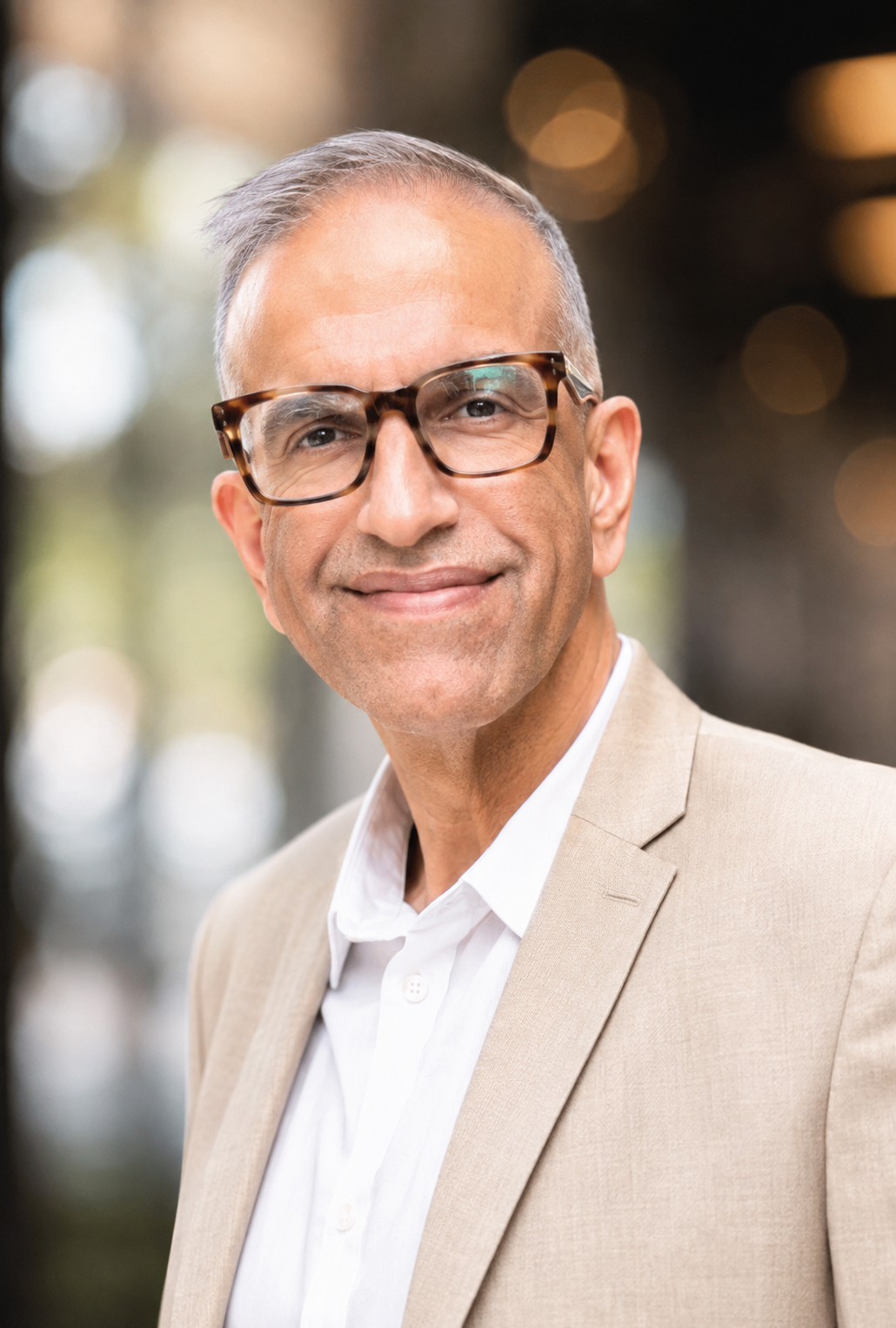
Phil Schiller announced on September 8 that he is stepping down as head of the App Store, a post he has held since 2015, when Apple first carved the storefront out as its own dedicated organization under his direct oversight. He remains an Apple Fellow and will keep working on unspecified projects, but he no longer runs the unit that has sat at the center of Apple's regulatory fights for half a decade. Carson Oliver, who has spent more than 14 years at Apple including extensive time inside the App Store organization itself, now takes over day-to-day operations for the storefront that generates the bulk of Apple's services profit.
On paper this reads as a routine internal promotion, the kind of succession move large technology companies announce every quarter without much scrutiny from outside observers. In practice it removes from an operating role the one senior Apple executive who had publicly staked his credibility on getting the App Store's compliance posture right during an active antitrust case. That distinction matters more than the org chart change itself, because the dispute that preceded his exit was never really about management style or day-to-day execution. It was about whether Apple would follow a federal court order or quietly manage around it instead.
The commission fight behind the transition
According to Bloomberg reporting on internal Apple deliberations, Schiller opposed a plan to charge developers a 27 percent commission on purchases made through external websites, arguing internally that the structure undercut Apple's obligation to comply with a federal injunction governing how the App Store can steer users toward or away from outside payment options. Finance executives pushed the commission structure forward regardless of his objection, and Tim Cook ultimately backed the finance team's position over Schiller's advocacy for a more conservative, court-compliant approach to the injunction's requirements.
The presiding judge in the underlying antitrust case, Yvonne Gonzalez Rogers, was unusually blunt in her written assessment of that internal call, stating plainly that Cook 'chose poorly' when he overrode the push for stricter compliance. For a company generating more than 30 billion dollars a year in App Store revenue, that is not a rounding error buried in a legal filing. It is a judicial finding, on the public record, that Apple's own senior leadership knowingly chose a more aggressive commercial posture over the reading its most senior product executive argued was legally compliant.
Why this is a governance story, not a personnel story
Enterprise leaders tend to file executive reshuffles at big platform vendors under general industry news and move on without a second look. That habit is a mistake when the reshuffle follows a documented internal fight over regulatory compliance with an active federal injunction. Schiller's departure from an operating role removes the internal advocate for the more conservative, compliant reading of that injunction at the exact moment Apple most needs to demonstrate good faith to a federal court that has already ruled against the company once on these same App Store practices.
For any CIO or CTO whose product distribution, in-app payments, or customer acquisition funnel depends on App Store rules, the open question is not really who runs the App Store organization next. It is whether Apple's current commission and steering policies survive the next round of judicial review, and what happens to your unit economics if a court forces further changes. That is fundamentally a contract renegotiation and financial modeling question, and it deserves a spot on your next roadmap and risk review rather than a footnote in a general tech news roundup.
A broader leadership reshuffle, not an isolated move
Schiller's exit is one of several senior departures rippling through Apple's leadership ranks in 2026 alone. Tim Cook stepped down as chief executive after 15 years in the role, handing day-to-day command to former hardware chief John Ternus in one of the company's most significant transitions in a generation. Longtime chief operating officer Jeff Williams retired after 27 years with the company, and both General Counsel Kate Adams and Vice President of Environment, Policy and Social Initiatives Lisa Jackson retired at the end of 2025. Apple Pay chief Jennifer Bailey is scheduled to retire in October, extending the pattern further.
Taken individually, each of these moves has a tidy explanation involving tenure, retirement timing, and orderly succession planning that Apple's communications team can point to without controversy. Taken together, they represent one of the most compressed leadership turnovers in Apple's modern corporate history, arriving at precisely the same moment the company is defending its most profitable software business inside an active federal court proceeding. Vendors managing this much internal executive change rarely execute flawlessly on external commitments and compliance obligations during the transition window.
What this means for the enterprise reader's roadmap
If your organization distributes an app, processes in-app payments, or relies heavily on App Store discovery for customer acquisition, treat this leadership change as a direct prompt to re-model your Apple-dependent revenue under two distinct scenarios: one where the current commission structure holds as is, and one where it gets struck down or renegotiated under continued court pressure over the next year. The financial gap between those two scenarios is material enough at most companies to warrant a dedicated finance and legal review before the next budgeting cycle closes.
More broadly, this episode is a reminder that platform governance disputes inside your critical vendors function as leading indicators, not lagging ones, for how those vendors will treat you contractually. An executive who advocated for stricter compliance, lost that internal argument, and then left an operating role shortly afterward is genuinely useful information for anyone managing vendor risk. CIOs who track only product roadmaps and pricing sheets while ignoring internal governance fights at their most strategic vendors are effectively flying with one critical instrument dark.