An Old Tactic Returns With a New Target
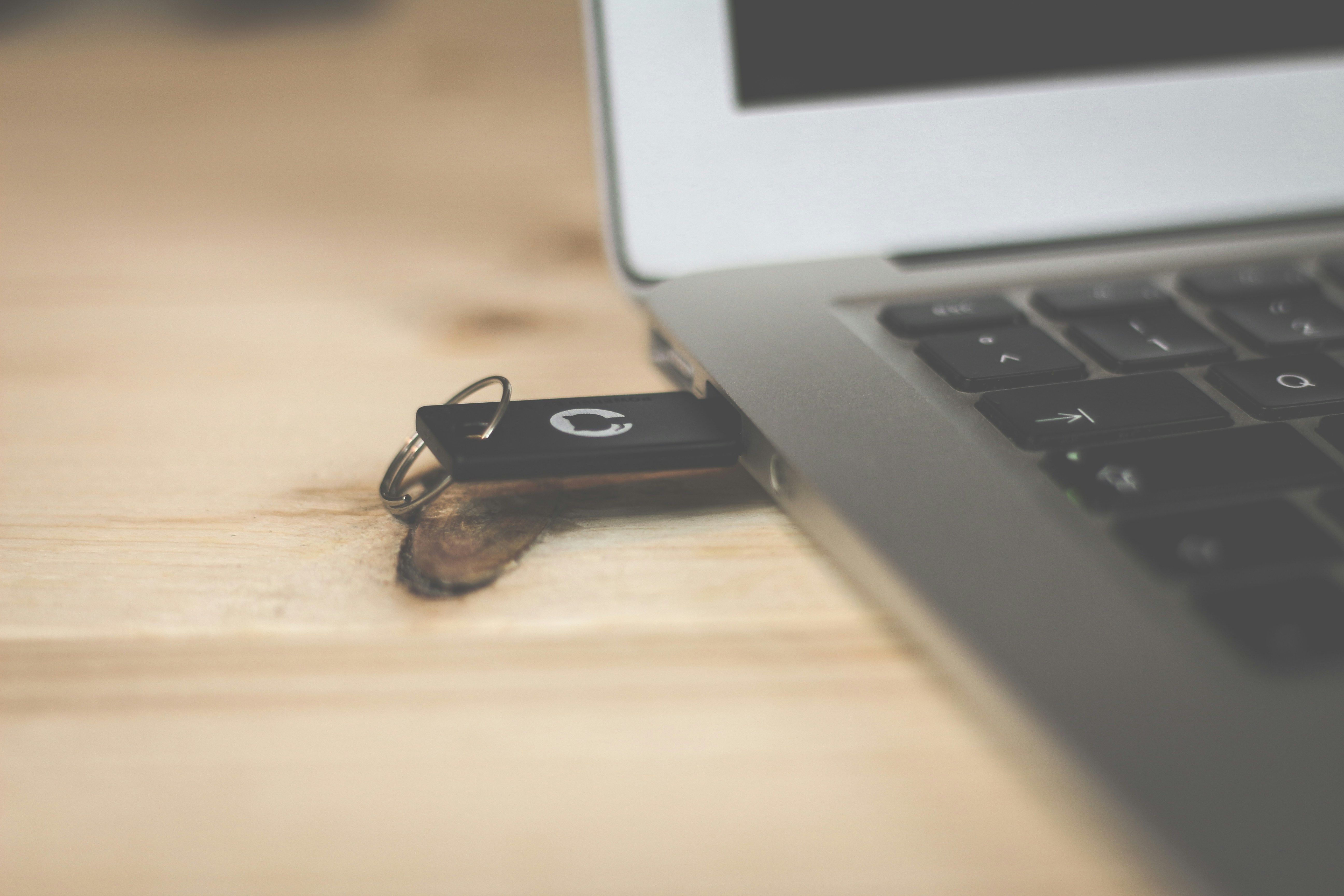
USB worms feel like a relic of a previous decade, the kind of threat that thumb-drive policies and autorun lockdowns were supposed to retire years ago. Microsoft's disclosure of CryptoBandits, a self-propagating Windows clipper it has tracked since at least February 2026, is a reminder that attackers recycle whatever still works. The malware, which Defender detects as Trojan:Win32/CryptoBandits, spreads by planting malicious LNK shortcut files on removable drives, then waits for an unsuspecting user to plug an infected stick into another machine. It is a low-tech delivery mechanism wrapped around a thoroughly modern objective: stealing cryptocurrency.
The choice of vector is telling. As enterprises have hardened email and web channels, the humble USB drive has quietly become an underdefended seam, particularly in environments that rely on physical media for air-gapped or operational technology systems. By replacing legitimate files on a connected drive with identically named shortcuts, CryptoBandits exploits the most reliable vulnerability of all, which is human trust in a familiar-looking file. The worm does not need a sophisticated exploit when a curious double-click will do.
How the Theft Actually Happens
CryptoBandits is built around two complementary forms of theft. The first is direct: it harvests wallet seed phrases and private keys for currencies including Bitcoin and Ethereum, the cryptographic secrets that grant full control over a victim's funds. Anyone who has used a hardware or software wallet knows that a leaked seed phrase is game over, because it allows an attacker to reconstruct the wallet anywhere. The malware also captures a series of screenshots, taken seconds apart, to gather additional context about what the victim is doing.
The second technique is more insidious because it preys on routine behavior. Cryptocurrency addresses are long, unmemorable strings, so users almost universally copy and paste them. CryptoBandits monitors the clipboard and, at the moment a victim copies a wallet address, silently substitutes an attacker-controlled address in its place. The user pastes what they believe is the correct destination and authorizes a transfer that goes straight to the criminal. This clipboard-substitution attack is devastating precisely because it requires no further interaction and produces a transaction the victim initiated themselves.
Hiding in Plain Sight on Tor
Where CryptoBandits shows real operational maturity is in its command-and-control design. Rather than reaching out to a conventional server that defenders could block or sinkhole, the malware routes its communications through the Tor anonymity network, using .onion domains and a local proxy listening on the standard Tor port. This makes the traffic far harder to attribute, block by reputation, or trace back to infrastructure that law enforcement could seize. It is the same operational security that sophisticated ransomware crews have adopted, now applied to a crypto stealer.
For defenders, the Tor dependency is both a problem and an opportunity. It complicates blocklist-based detection, but it also produces a distinctive signal, because most enterprise endpoints have no legitimate reason to be running a Tor proxy. Monitoring for unexpected local proxy services and outbound connections consistent with Tor can surface infections that signature-based tools miss. As one outlet described Microsoft's findings, once installed the malware constantly runs the wallet-stealing code while simultaneously waiting for a new, clean USB to be plugged into the same PC, a dual-purpose design that maximizes both theft and spread.
Persistence and Propagation by Design
CryptoBandits does not rely on a single foothold. Microsoft found that it establishes two persistent scheduled tasks, dividing labor between its two missions. One task continuously runs the wallet-stealing component, ensuring the theft engine survives reboots. The second watches for newly inserted USB drives and infects them, turning every compromised machine into a distribution point. This separation of concerns is a hallmark of malware built to last rather than to grab and disappear.
The propagation logic is what makes CryptoBandits a worm rather than a simple trojan, and it has uncomfortable implications for segmented environments. Air-gapped networks, which security teams often treat as inherently safer, are exactly the places where USB media remains a primary means of moving data. A worm that hops across drives can bridge the very gaps that were supposed to contain it. Organizations that assume physical isolation equals safety should revisit that assumption, because the threat model that USB worms exploit was never fully retired, only neglected.
What Enterprises Should Do Now
The defensive playbook against CryptoBandits is unglamorous but effective. Disabling autorun, enforcing device control policies that restrict which USB devices can mount, and blocking or alerting on the execution of LNK files from removable media all raise the cost of the initial infection substantially. Endpoint detection tuned to flag the creation of suspicious scheduled tasks and unexpected Tor proxy activity provides a second line of defense for environments where USB use cannot be eliminated entirely.
There is also a human dimension that no control fully addresses. The clipboard-substitution technique means that even a security-conscious user who carefully copies an address can be defrauded. For organizations and individuals handling significant cryptocurrency, the practical mitigation is procedural: verify the first and last several characters of any destination address after pasting, and use allow-listed address books where the platform supports them. These habits feel paranoid until the day they save a transfer, and against a clipper they are among the few reliable safeguards.
Our Take
We read CryptoBandits as a sign of where commodity crime is heading, which is toward patient, modular malware that blends decade-old propagation tricks with modern anonymity infrastructure. The worm is not a nation-state masterpiece, and that is exactly why it matters. It is the kind of broadly effective, financially motivated tool that scales across thousands of victims who never imagined a USB drive could drain their wallet. The targeting of cryptocurrency simply follows the money to where it is least defended.
For security leaders, the broader lesson is to resist declaring any attack vector permanently solved. USB-borne threats were supposedly handled years ago, yet here is a fresh campaign exploiting the same gap because organizations relaxed their vigilance. The discipline that contains CryptoBandits is the same discipline that contained its ancestors: control the media, monitor for persistence, and assume that anonymized command-and-control will defeat naive blocklists. The attacker's creativity here is mostly in execution, which means defenders who execute the fundamentals well will largely shut it down.