A bond sale four and a half times oversubscribed
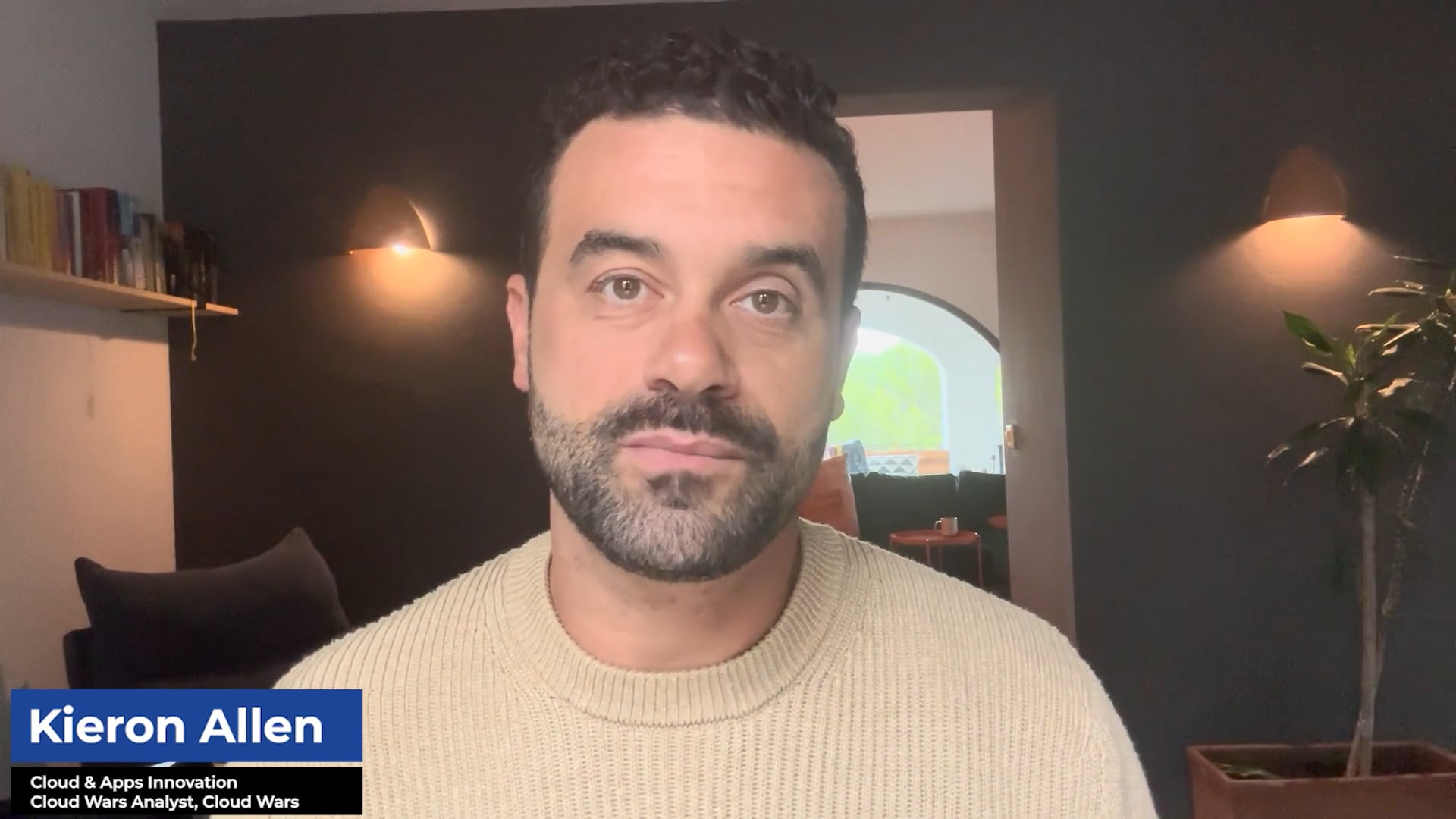
Microsoft went to the bond market on November 11 to raise 25 billion dollars and came back with reported investor orders of roughly 115 billion dollars, more than four and a half times what it asked for. The bonds were reported to have settled around November 4, days before the broader demand figures were confirmed publicly. Cloud Wars analyst Kieron Allen called the demand level "a powerful vote of confidence not just in the company, but in the entire AI industry," and the oversubscription ratio supports that framing. This is not a company struggling to finance its ambitions.
The stated purpose is general corporate use, not a named AI project or data center. That distinction matters for how you read the headline. Microsoft is not telling bondholders exactly where this money goes, and it does not have to, because general corporate debt gives the company flexibility to move capital between capex, buybacks, working capital, and acquisitions as conditions change. What the market is pricing in is not a specific project. It is confidence in Microsoft's ability to keep funding an AI infrastructure build that shows no sign of slowing.
Why Microsoft needs this much capital right now
Debt issuance of this size does not happen in isolation. Microsoft's fiscal Q3 capital expenditure already ran at 30.88 billion dollars, up 84 percent year over year, and its AI business run rate reached 37 billion dollars, up 123 percent. Commercial remaining performance obligations, the backlog of contracted future revenue, had climbed to 627 billion dollars, nearly double the prior year. Azure itself has been growing at its fastest pace in years. None of those numbers move without sustained capital spending on data centers, power, and chips, and internally generated cash flow alone has not kept pace with the spending rate.
Raising debt rather than drawing down cash or slowing capex is itself a signal. Microsoft is choosing to keep building at the current pace and finance the gap externally, rather than pull back on data center or GPU commitments to preserve cash on the balance sheet. For enterprise customers, that is the preferable outcome. A hyperscaler that finances growth through debt markets, when those markets are this eager to lend, is not a hyperscaler likely to ration capacity or slow-walk your next reserved-instance negotiation.
What bond demand tells you that earnings calls do not
Earnings calls are scripted. Bond order books are not. When fixed-income investors, who are far more conservative than equity analysts and who get paid back a fixed amount regardless of how well Azure performs, put in orders worth four and a half times the offering, they are making a specific bet: that Microsoft's cash flow will comfortably service this debt over its life, even if AI demand growth moderates from its current pace. That is a different and arguably more disciplined signal than a stock price move, because bondholders have no upside if Microsoft's AI bet pays off spectacularly. They are purely pricing downside risk, and they are pricing very little of it.
For CTOs and CFOs evaluating whether to lock in multi-year Azure commitments now versus waiting, that credit market signal is useful information you do not get from a vendor briefing. It suggests institutional capital does not see near-term capacity constraints or demand softness severe enough to threaten Microsoft's ability to keep investing at scale. That lowers, though does not eliminate, the risk that a multi-year commitment leaves you exposed to a hyperscaler pulling back mid-contract.
The pricing question this raises
Microsoft raised Azure prices across seven regions in October, with increases as high as 17 percent in Northern Europe, attributing the changes to regional market conditions and data center investment. Read alongside this bond sale, a pattern emerges: Microsoft is simultaneously raising customer prices and raising external debt to fund the same infrastructure buildout. That is not contradictory. It is how capital-intensive businesses fund growth, by pulling on every available lever at once. But it means enterprise buyers should expect further regional price adjustments to accompany further capacity announcements, rather than treating October's increases as an isolated event.
If you are negotiating a renewal in a region that has not yet seen a price adjustment, this is the moment to lock in current rates with a longer commitment term, not to assume pricing has stabilized. Hyperscalers raising both debt and prices in the same infrastructure cycle are telling you, in two different financial languages, that the cost of the AI capacity you are consuming is going up for everyone, and the only real lever you control is contract timing.
What to watch next
Watch whether AWS and Google Cloud follow with their own large debt raises in the coming quarter. Amazon's capital expenditure commitment already sits near 200 billion dollars for the year according to AWS's own leadership, and Google's capex has more than doubled year over year. If all three hyperscalers are financing AI infrastructure through debt rather than purely from operating cash flow, that is a market-wide signal worth building into your own multi-year infrastructure cost forecasts, not a Microsoft-specific story.
The practical takeaway for enterprise technology leaders is straightforward. Capacity is not the near-term constraint it looked like a year ago, credit markets are funding the buildout at scale, but the price of that capacity is rising in step with the financing. Plan your Azure, AWS, and Google Cloud commitments around sustained price growth over the next 18 to 24 months, and use multi-year reserved pricing to lock in rates before the next round of regional increases lands.