A specific, measurable pilot before a specific, measurable commitment
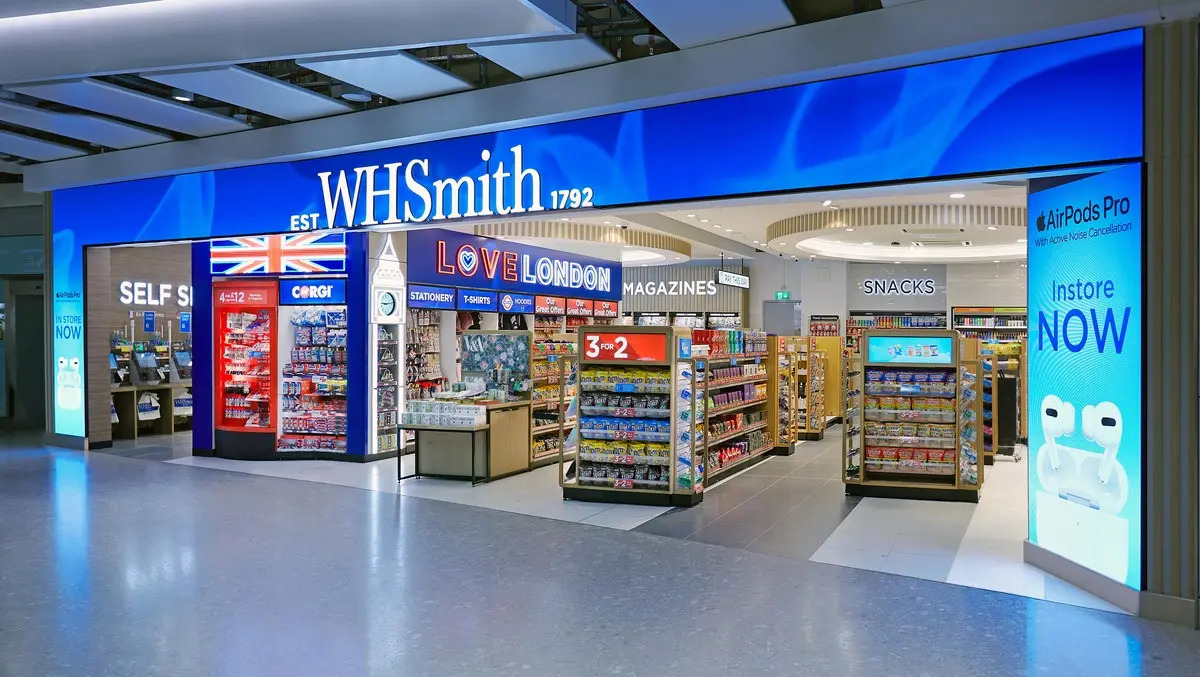
WHSmith's rollout of x-hoppers across more than 300 UK stores is notable for how directly it follows a single, well-instrumented pilot rather than a broader strategic bet made on vendor promises alone. The Manchester Piccadilly travel store pilot, running since late 2025, produced a specific reported sales uplift of up to 22% in key categories, a concrete enough figure that WHSmith's decision to commit to a 300-store rollout reads as a reasonably evidence-based expansion rather than a leap of faith into unproven retail technology.
The volume figures behind that uplift, more than 43,000 staff headset notifications and almost 1,000 customer QR-code help requests during the pilot period, give the sales figure useful context: this was not a marginal, lightly-used tool that happened to coincide with a sales increase from some unrelated cause, but a platform that saw genuine sustained usage from both staff and customers throughout the pilot window.
The customer-facing half of the platform matters as much as the staff-facing half
Retail communication platforms have historically focused primarily on staff-side efficiency, faster internal coordination, quicker restocking alerts, more efficient task assignment, without necessarily changing what the customer directly experiences in the store. The QR-code help-request mechanism in x-hoppers is the piece that puts a customer-facing capability directly into this category of tool: a customer who needs assistance scans a code rather than searching the floor for an available staff member, and that request routes directly to whichever team member is positioned to help.
Almost 1,000 customer-initiated requests during a single-store pilot suggests real customer willingness to use that mechanism rather than simply flagging down a passing employee the traditional way, which is the adoption signal that matters most for whether this kind of tool actually changes customer experience rather than remaining a staff-only operational improvement that never surfaces to the shopper directly.
Connecting satellite stores and delivery drivers directly
Two secondary capabilities in the platform deserve attention alongside the headline sales figure. Connecting smaller satellite stores, such as WHSmith's locations at Heathrow, to a main store through the same communication platform addresses a coordination problem specific to retailers operating multiple nearby or related locations with varying staffing levels, letting a smaller satellite location draw on a larger main store's staff communication network rather than operating as a fully isolated unit.
Allowing delivery drivers to contact store teams directly to reduce drop-off delays is a smaller-sounding capability that nonetheless addresses a genuinely common friction point in retail operations: a delivery arriving while no staff member is immediately available to receive it, creating delays that cascade into inventory and restocking timing issues later in the day. Solving that specific friction point, even if it contributes less to the headline sales figure than the customer-facing QR mechanism, is the kind of operational improvement that compounds across hundreds of daily deliveries at scale.
Taken together, these capabilities suggest the sales uplift reflects the combined effect of faster staff coordination, more responsive customer service, and smoother delivery handling working simultaneously, rather than any single feature operating in isolation.
A partial rollout against WHSmith's full global footprint
WHSmith's commitment to more than 300 UK stores, starting with 32 priority travel locations, represents real scale but still only a fraction of the company's more than 1,200 stores spread across more than 30 countries. That gap between the rollout scope and the full store count is worth tracking as a signal of how confident WHSmith remains in the platform once it operates across a larger, more operationally diverse set of stores beyond the travel-retail-heavy initial priority list.
Travel retail locations, airports and train stations in particular, have distinctive operational characteristics, high customer volume concentrated in short windows, time-pressured shoppers, and staffing patterns built around flight and train schedules, that may not generalize cleanly to WHSmith's broader high-street and standard retail locations. A sales uplift measured specifically in a travel-retail pilot store deserves some caution before assuming an equivalent uplift will materialize across WHSmith's full, more operationally varied store estate.
What other retailers should take from this rollout
For retailers evaluating in-store communication and customer-request platforms, WHSmith's approach, a single well-instrumented pilot store generating specific, trackable metrics before any broader commitment, is a useful template regardless of which specific vendor or platform a given retailer ultimately selects. The discipline of measuring a concrete sales uplift figure, not just qualitative staff feedback, before scaling to hundreds of locations is the part of this rollout worth replicating directly.
Retailers with a meaningful mix of store formats, travel retail, high street, out-of-town, and similar categories, should also take the travel-retail-specific nature of WHSmith's pilot as a prompt to pilot any similar platform across more than one store format before committing to a broad rollout, since operational characteristics that drive a sales uplift in one format may not transfer cleanly to a format with a meaningfully different customer flow and staffing pattern.