What happened and when
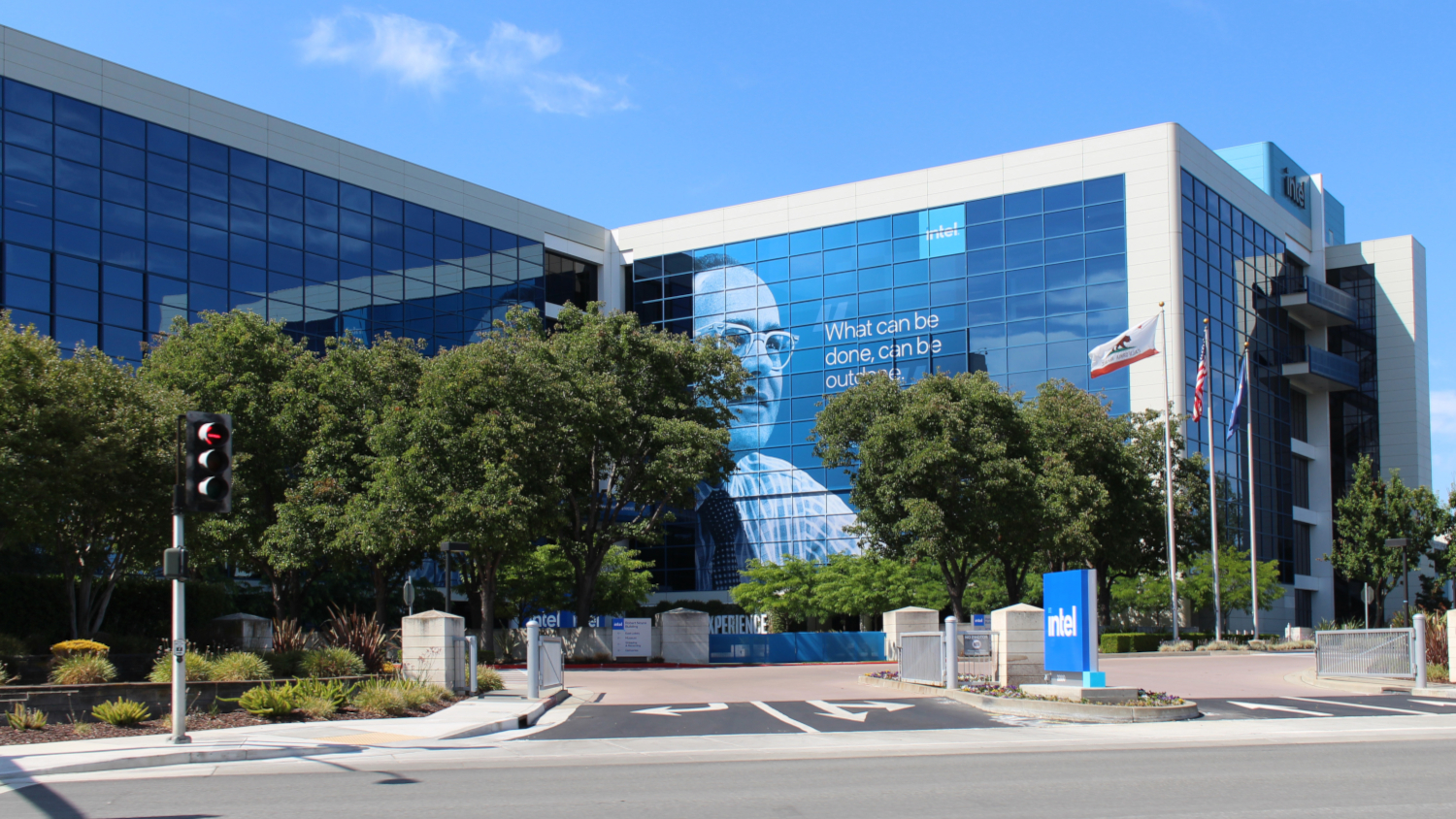
Intel began laying off staff from its internal IT organization on November 16, 2026, according to reporting that cites unverified internal sources rather than a formal company announcement. The IT group affected reportedly employs about 2,607 people across 55 sites in 53 countries, a global footprint that underscores how much of Intel's own digital infrastructure, from internal systems to engineering tooling, runs through this specific organization rather than through outsourced or decentralized teams.
Reports suggest a double-digit percentage cut, which would put the affected headcount somewhere between roughly 260 and 520 people, though Intel has not confirmed any specific figure publicly. The company has also not identified which teams or functions within IT are affected, leaving outside observers to infer scope from headcount reporting rather than from any official breakdown of where the reductions are landing inside the organization. That silence is itself a data point worth noting, since a company confident its reductions will not affect service quality typically has little reason to withhold the specifics.
The headcount math behind the headline
This single IT reduction sits inside a much larger pattern. Intel's total headcount fell from 85,100 employees at the end of 2025 to 81,100 at the end of September 2026, according to the company's own filings, a decline of 4,000 people in roughly three quarters even before this latest round of IT-specific cuts is added to the total. Compiled estimates put the cumulative reduction since CEO Lip-Bu Tan took over at roughly 27,800 positions, a figure drawn from multiple disclosed rounds rather than any single announcement.
That scale matters for context. A company reducing headcount by tens of thousands of positions over a relatively short tenure is executing a sustained structural reduction that touches multiple functions over time, far beyond any single targeted efficiency move, and this IT-specific round is simply the most recent chapter, the one most directly relevant to how Intel itself runs its technology operations day to day. Any enterprise still evaluating Intel's turnaround narrative should treat each new round of cuts as a data point in that longer arc rather than as an isolated event disconnected from everything that came before it this year.
What Intel is and is not saying about why
An unnamed Intel spokesperson offered the company's only public comment, stating that Intel regularly reviews its workforce to align personnel and financial resources with strategic priorities, language that is carefully generic and offers no specific justification tied to this particular round of cuts or to the IT function specifically. That phrasing is standard corporate language for a workforce reduction and tells an outside observer essentially nothing about which strategic priorities are driving this specific decision.
Reporting attributes more texture to CEO Lip-Bu Tan's broader approach rather than to any statement about this round directly: reducing management layers and redirecting resources toward higher-priority work. If that framing holds, the IT cuts likely reflect a belief that the function can run leaner, whether through consolidation, automation, or simply accepting reduced internal capacity, rather than representing some sudden emergency unrelated to the company's broader multi-year restructuring effort. That distinction matters for how outside observers, including Intel's own customers and partners, should interpret this specific round relative to the company's stated long-term strategy.
The pattern across 2026, not just this week
This is not Intel's first technology-adjacent cut this year. Earlier reductions in 2026 already hit the company's Data Center and AI-related operations, which means the functions most directly tied to Intel's stated AI and data center growth strategy have already absorbed meaningful headcount reductions well before this latest IT-specific round arrived. That sequencing is worth noting precisely because those are the same functions Intel is counting on to drive its competitive turnaround against Nvidia and AMD.
Taken together, the Data Center, AI, and now internal IT reductions describe a company narrowing its internal footprint across several of the functions most connected to executing an ambitious technology strategy, even as its public messaging continues to emphasize an AI-driven comeback. Whether that narrowing reflects genuine efficiency gains or simply financial pressure forcing difficult tradeoffs is not something this reporting resolves on its own, and Intel has given outside observers little reason so far to assume the more generous explanation is the correct one.
Why an internal IT department is a particularly telling place to cut
Unlike a product engineering team or a sales organization, an internal IT department's output is largely invisible to customers and investors until something breaks. Cutting this function is a bet that the remaining team, automation, AI-assisted tooling, or some combination of the three can maintain the same level of service with meaningfully less headcount, a bet that tends to become visible only months later through degraded response times, delayed projects, or an outage that traces back to reduced capacity rather than a single root cause.
That makes this specific cut a useful test case for a broader question every enterprise technology leader should be asking about AI-era workforce reductions generally: is the organization actually deploying AI tooling that measurably offsets the lost capacity, or is it simply betting that demand on the remaining team will not spike before the gap becomes visible. Intel's own public statements do not answer that question, which is itself informative about how confident the company currently is in its own answer.
What this means for your own vendor conversations
If Intel is a current or prospective technology vendor for your organization, this is a reasonable moment to ask your account team directly how internal IT reductions are affecting the teams responsible for your specific relationship, support responsiveness, and any joint technology initiatives currently underway. A vendor narrowing its own internal technology capacity while asking customers to trust its broader AI transformation story deserves a direct answer about how those two things connect operationally, not just at the level of investor messaging.
More broadly, treat this as a prompt to examine your own organization's workforce reduction plans with the same scrutiny you would apply to a vendor's. If your own IT function is absorbing headcount cuts under the assumption that AI tooling will offset the loss, verify that assumption against actual measured output before the gap between expectation and reality becomes a service incident rather than a budget line item, since Intel's own experience this year suggests that gap can take months to surface publicly.