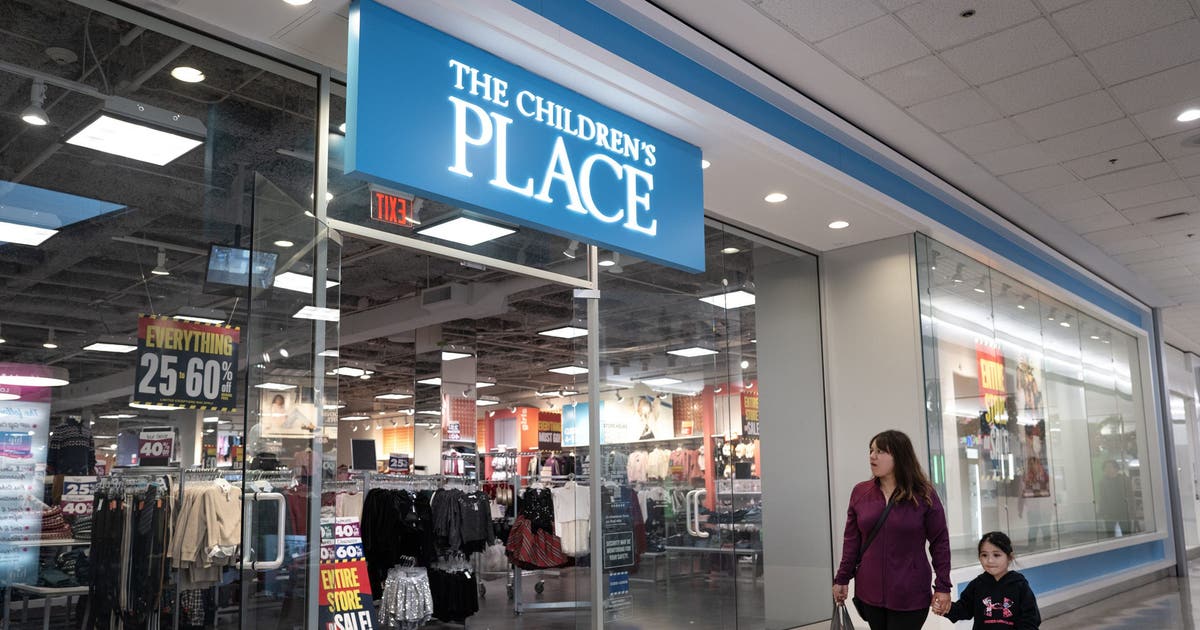
What The Children's Place actually filed for
The Children's Place voluntarily filed for Chapter 11 bankruptcy protection, a filing the company's own notice describes as a step toward selling substantially all of its assets rather than toward liquidating the business outright. That distinction matters enormously for anyone connected to the company, employees, vendors, landlords, and customers alike, since a sale-oriented Chapter 11 process is structured around finding a buyer willing to continue operating the business, not simply winding it down for parts piece by piece.
The company operates more than 500 stores across the United States and Canada under its namesake brand along with Gymboree, the children's apparel label it acquired out of a previous bankruptcy years earlier. All stores and ecommerce sites remain open during this process, including continued inventory sales, which keeps the business operating and generating cash while the sale process plays out in parallel.
The operational deadlines customers need to know about now
Several specific deadlines embedded in the company's bankruptcy notice are worth flagging directly, since they affect real money customers may still be holding. Gift cards will stop being accepted after December 12, 2026, and unredeemed balances are not convertible to cash, which means any customer holding a Children's Place or Gymboree gift card has a hard deadline to use it before that value disappears entirely and permanently.
The My Place Rewards loyalty program is being discontinued on that same December 12 date, and sales made after November 6, 2026 are designated final, removing the standard return window customers would normally expect. Taken together, these deadlines describe a company already executing the operational wind-down mechanics that typically accompany a bankruptcy sale process, even while its stores continue operating and taking new sales from shoppers in the meantime.
The compressed timeline tells its own story
The company expects bids for its assets and the broader sale process to conclude by year-end, a notably tight timeline for a Chapter 11 proceeding of this scale. Some retailers use bankruptcy protection for extended negotiations with creditors over months or even years while continuing to operate largely as before, restructuring debt without necessarily changing ownership. A year-end target for completing a full sale process signals something closer to a pre-negotiated or expedited sale already largely lined up before the filing became public, rather than an open-ended search for buyers.
That pace matters for how vendors, landlords, and employees should be reading this situation. A company racing toward a year-end sale completion is one where the key decisions about which stores survive, which leases get assumed, and which vendor relationships continue are likely to be made quickly, leaving less time than usual for stakeholders to negotiate their own position before the outcome is largely settled.
What this means if your business is owed money by The Children's Place
If your organization is a vendor, supplier, or landlord with an existing financial relationship to The Children's Place, this filing triggers the standard Chapter 11 creditor process, and the compressed year-end sale timeline makes prompt engagement with that process considerably more time-sensitive than it would be under a slower-moving restructuring. Outstanding invoices, open purchase orders, and existing lease terms will all be evaluated as part of whatever sale agreement eventually emerges, and creditors who engage early typically have more influence over those terms than those who wait until the deadline nears.
For any supplier currently shipping goods or fulfilling open orders to The Children's Place, confirm directly with your own legal and finance teams how the bankruptcy filing affects payment priority on goods delivered both before and after the filing date, since Chapter 11 proceedings typically treat pre-petition and post-petition obligations very differently when it comes to payment priority in whatever sale or restructuring plan the court eventually approves.
The broader retail apparel pattern this filing fits into
The Children's Place has navigated financial distress before, and this filing arrives amid a broader wave of retail bankruptcies and store closures across the apparel sector this year, as specialty retailers continue to face pressure from a combination of ecommerce competition, private label alternatives at mass retailers, and consumers increasingly prioritizing value over brand loyalty for children's clothing specifically. A category built around a growing child's changing sizes every few months has always faced unusually high churn pressure on customer loyalty.
That category dynamic is worth factoring into how any competitor or adjacent retailer reads this filing. The Children's Place's troubles are not purely company-specific execution failures, they reflect structural pressure on the specialty children's apparel category as a whole, which means other retailers operating in the same specific niche should treat this filing as a signal to pressure-test their own competitive position rather than assuming it is an isolated case.
What this means for your own retail vendor risk monitoring
If you supply, lease to, or otherwise depend financially on specialty apparel retailers serving a similar customer base, this filing is a reasonable prompt to review your own exposure across that category rather than treating The Children's Place's situation as fully isolated. A sale-oriented Chapter 11 with a compressed timeline can still leave vendors holding meaningful unpaid balances if the eventual buyer declines to assume every existing contract and obligation.
More broadly, build gift card and loyalty program wind-down deadlines like the ones in this filing into your own vendor risk monitoring playbook, since they are one of the clearest, earliest public signals of how aggressively a retailer in bankruptcy intends to move toward a final outcome. A company setting firm deadlines this early in the process is typically one that already has a buyer or resolution largely in view, not one still searching for options.