The Headline Numbers and What They Say About Demand
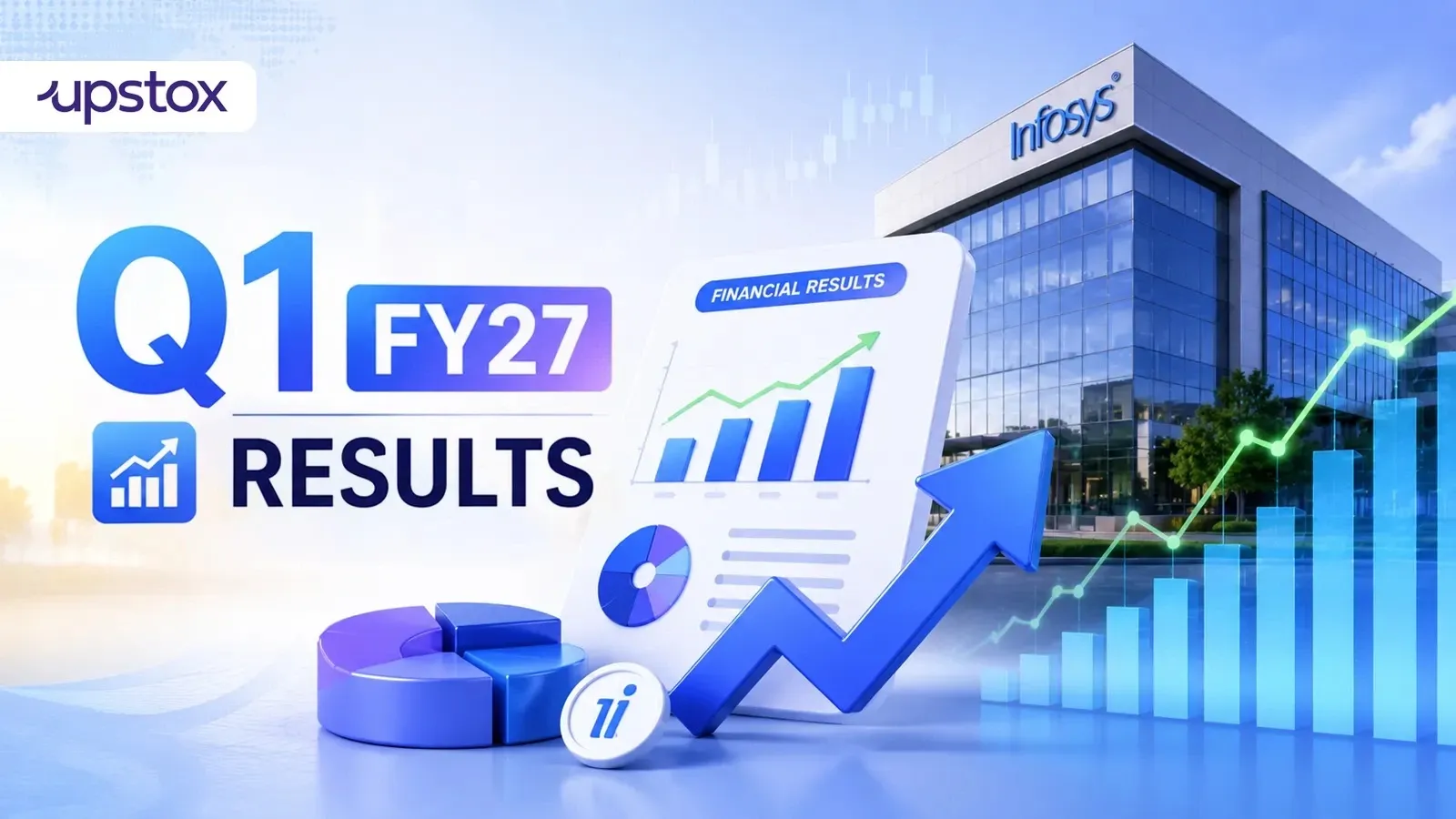
Infosys reported first-quarter fiscal 2027 revenue of $5,082 million for the period ended June 30, up 2.4% year over year and 1% sequentially in constant currency. Revenue in rupee terms rose 14% to 48,211 crore, and net profit climbed 12.2% year over year to 7,769 crore, though profit slipped about 9% from the prior quarter. Operating margin held at 21.1%, up 30 basis points, keeping the company comfortably inside its 20% to 22% band. These are steady rather than spectacular figures, and steadiness is itself a signal in a cautious IT services market.
The mix beneath the total is where the story lives. Large deal total contract value came in at $3.6 billion with 61% net new, evidence that clients are still committing to multi-year transformation programs rather than deferring them. Chief Executive Salil Parekh said AI momentum is now rapidly converting into revenue and that the company's differentiated enterprise AI value proposition is translating into consistent market share gains. For technology leaders assessing where their delivery partners stand, a healthy net-new deal ratio matters more than a single quarter's growth rate, because it shows demand is expanding beyond renewals.
AI at 8.2% of Revenue Is the Number That Counts
Infosys disclosed that AI-led initiatives contributed 8.2% of total revenue in the quarter, powered by its Topaz platform. That figure is more consequential than it first appears. For two years the services industry has talked about AI as pipeline, pilots, and potential, and skeptics have questioned whether any of it was billable at scale. A disclosed revenue contribution converts the narrative into an operating metric, and it gives buyers a benchmark for how much of a large integrator's book is now genuinely AI-driven rather than aspirational.
The composition matters as well. Parekh tied the AI momentum to client consolidation decisions, the pattern of enterprises collapsing multiple vendors and platforms into fewer strategic relationships to fund AI work. That is a direct read on CIO behavior. Rather than spreading spend across many suppliers, large enterprises are concentrating budgets with partners that can deliver AI transformation end to end. For Infosys, consolidation wins are the mechanism turning Topaz from a marketing layer into measured revenue, and 8.2% is the first quantified proof point that the strategy is compounding.
A CEO Transition That CIOs Should Log
The board named Ashiss Kumar Dash as chief executive and managing director designate, effective April 1, 2027, for a five-year term. He currently leads a diverse portfolio of industry verticals inside Infosys and will succeed Salil Parekh, who completes his second term after more than nine years running the company. Naming a designate nearly two years ahead is a deliberate governance move that gives clients, employees, and investors a long runway to absorb the change. Continuity is the message, and an internal appointment reduces the strategic whiplash that outside hires sometimes bring.
For enterprise buyers, a leadership transition at a top-tier delivery partner belongs in the vendor risk register, not the trade-press bin. Multi-year AI transformation contracts often outlast the executives who sign them, and account leadership, delivery priorities, and pricing philosophy can shift with a new chief executive. We would advise CIOs with material Infosys exposure to seek continuity commitments on their programs, confirm that key delivery leaders are staying, and use the long transition window to build the relationship with the incoming leadership rather than waiting until 2027.
Trimmed Guidance and the Macro That Will Not Break
Infosys narrowed its full-year fiscal 2027 constant currency revenue growth guidance to a 1.5% to 3.0% range, cutting the top end from 3.5%. Parekh was candid about why, saying the upper end of the earlier guidance assumed a macroeconomic improvement that has not materialized at the level the company initially expected. The operating margin band of 20% to 22% was maintained, and management expects the first half of the year to be stronger than the second. This is a demand-side caution rather than an execution problem, and the distinction matters for how buyers should read it.
The signal for CIOs is that discretionary technology spend remains constrained even as committed transformation work proceeds. Enterprises are funding AI and consolidation programs while holding back on the broader, faster-turning project pipeline that lifts a services vendor's growth rate. That pattern favors partners with strong large-deal engines and disciplined margins, and it argues against expecting a sudden acceleration in IT services demand this year. Budget owners planning 2027 programs should assume a steady, selective spending environment and price their own vendor negotiations accordingly.
What the Bellwether Tells the Rest of the Market
Infosys sits close enough to the center of global enterprise delivery to function as a barometer for the whole services sector. Its combination of modest top-line growth, held margins, a solid net-new deal ratio, and a quantified AI contribution describes a market that is disciplined and consolidating rather than booming. Buyers should expect similar signals from peers this earnings season, with AI monetization emerging as the differentiator between vendors that are converting the hype and those still selling futures. The 8.2% figure sets a bar that competitors will be pressed to match or explain.
There is a strategic prompt here for technology leaders. If your primary integrators are now generating meaningful AI-led revenue, the value they can bring to your own transformation is more tangible than it was a year ago, and it is worth revisiting scopes and outcomes accordingly. At the same time, trimmed guidance across the sector means vendors are hungry for committed, net-new work, which strengthens the buyer's hand in negotiations. We would treat this quarter as an opening to renegotiate AI program terms while demand caution keeps suppliers motivated.
Our Take for Enterprise Decision Makers
The through line of the quarter is disciplined progress. Infosys is monetizing AI, defending margins, winning net-new large deals, and managing a leadership handover with unusual foresight, all while acknowledging that the macro will not do it any favors. For CIOs, that is a reassuring profile in a delivery partner, and it validates concentrating AI transformation spend with integrators that can show quantified results rather than roadmaps. The consolidation trend Parekh described is your leverage as much as the vendor's growth engine.
The action items are straightforward. Log the CEO transition in vendor governance and secure continuity assurances on active programs. Ask your integrators to disclose their own AI revenue contribution as a benchmark, using the 8.2% figure as a reference point. And use the sector's cautious guidance to negotiate outcome-based terms while suppliers are motivated to lock in committed work. Enterprise AI has crossed from pilot to billed revenue at the largest services firms, and buyers who plan around that shift will extract more value than those still treating AI delivery as experimental.