From Hashrate to GPUs
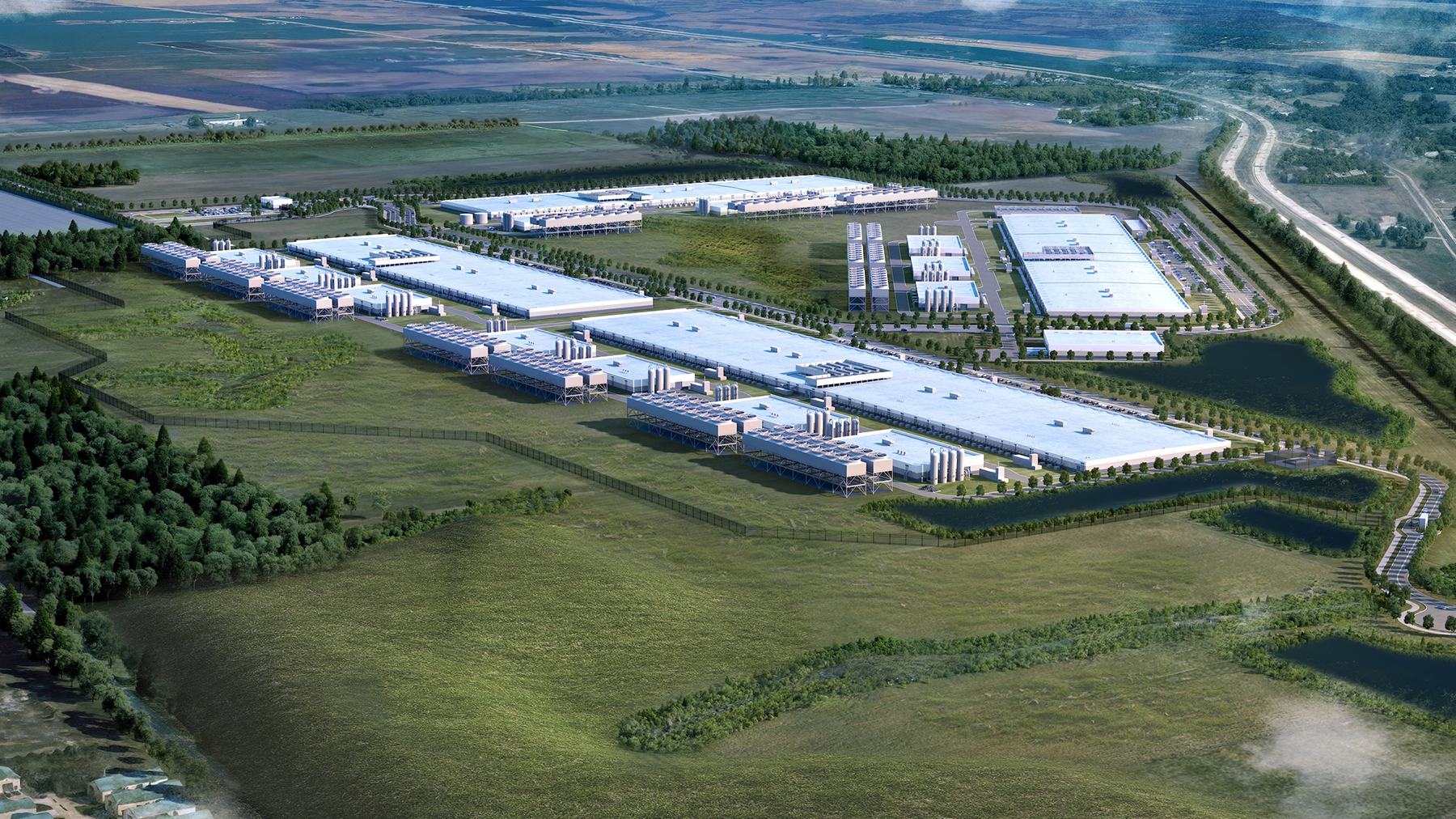
On June 24, Hyperscale Data announced its first Master Services Agreement, a deal to provide colocation and related services for 20 megawatts of critical AI compute capacity to a California-based neocloud provider at its Michigan campus. The contract is expected to be worth roughly 1.2 billion dollars in revenue over an initial 10-year term, with two optional five-year extensions. We find this transaction instructive precisely because Hyperscale Data is not a household hyperscaler. It is a former Bitcoin operation, and the deal is a textbook case of stranded mining infrastructure being repurposed for the AI boom.
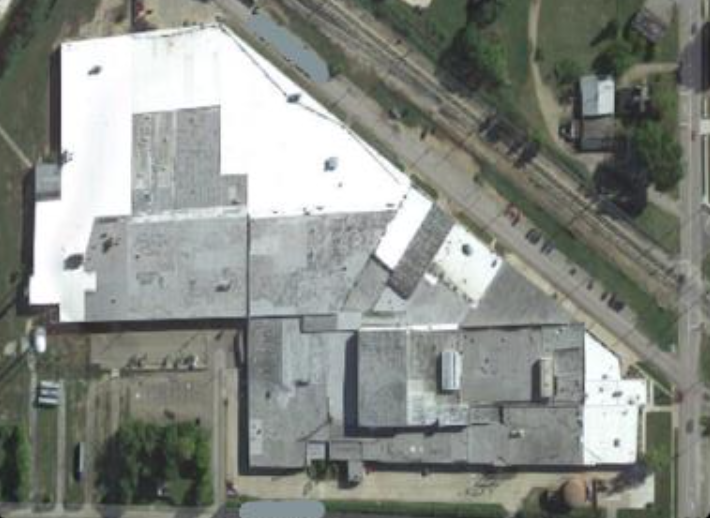
The mechanics are revealing. Hyperscale Data currently runs about 28 megawatts of Bitcoin mining capacity at the Michigan campus, and it plans to reallocate power toward AI and high-performance computing workloads. Executive Chairman Milton Ault III called the MSA a significant milestone, while CEO William Horne described the evolution of the campus from a Bitcoin mining-focused facility into a next-generation AI and HPC campus. The subtext is that the economics of GPU colocation now dwarf those of mining, and any operator sitting on interconnected power has a powerful incentive to switch sides.
The Numbers Behind the Conversion
Hyperscale Data expects to spend an estimated 100 to 120 million dollars retrofitting roughly 60,000 square feet of the campus for high-density AI workloads. Deployment is staged: 10 megawatts targeted around September 2026 and another 10 megawatts by year-end, with services expected to be operational in the fourth quarter of 2026. If the customer exercises options to expand to 52 megawatts, plus an additional 32 megawatts, the company says total contract value could exceed 3.0 billion dollars, against a long-term site potential of more than 300 megawatts.
Those retrofit figures deserve scrutiny. Converting a mining hall to GPU colocation is not a cosmetic change. Mining tolerates crude power delivery and ambient cooling, while modern AI racks demand dense power distribution and often liquid cooling. Spending more than 100 million dollars on 60,000 square feet tells us the upgrade is substantial, and it sets a useful benchmark for anyone evaluating similar conversions. The capital intensity also explains why these deals come with long terms: a 10-year contract with extensions is what makes a nine-figure retrofit financeable in the first place.
Why Neoclouds Are Buying Anywhere They Can
The counterparty is described only as a California-based neocloud provider, and that anonymity is itself a sign of the times. Neoclouds, the specialist GPU-cloud operators that have proliferated alongside the AI boom, are starved for capacity. They cannot wait years for greenfield hyperscale builds, so they are signing colocation deals wherever interconnected power and shells already exist. A repurposed Michigan mining campus is exactly the kind of fast-to-market asset they need, even if it would never have appeared on their radar two years ago.
For enterprise leaders, the neocloud surge is a double-edged development. On one hand, it expands the supply of GPU capacity beyond the big three clouds, which should ease scarcity and pressure pricing over time. On the other, it introduces counterparty risk that buyers are not used to evaluating. When your AI inference is running in a retrofitted mining hall operated by a thinly capitalized intermediary, due diligence on power reliability, financial stability, and operational maturity becomes essential. The capacity is real, but so is the need to look under the hood.
Stranded Power Is the New Gold
The deeper pattern here is that interconnected power has become the scarcest resource in the AI economy, and whoever holds it can monetize it almost regardless of pedigree. Bitcoin miners spent years acquiring cheap, grid-connected power for hashing. That same power is now worth far more hosting GPUs, and the conversion wave we are watching at Hyperscale Data is being repeated across the mining sector. The grid interconnection that took years to secure is the asset, and the workload sitting on top of it is increasingly fungible.
We would caution against reading this as a story about one small company's pivot. It is a leading indicator of how the AI buildout is absorbing every available megawatt, dragging unconventional operators into the cloud supply chain. For CIOs, the practical implication is that the map of where your AI workloads can run is expanding in unexpected directions, from purpose-built hyperscale campuses to repurposed industrial sites. That expansion is good for supply, but it puts a premium on knowing exactly whose infrastructure you are renting and how durable it really is.
The Counterparty Risk Hiding in Cheap Capacity
The attraction of a deal like this is obvious: fast-to-market megawatts at a price the big clouds cannot match. The catch is that the chain of dependencies behind that capacity is longer and thinner than enterprises are used to. A repurposed mining campus owned by a former Bitcoin operator, leased to an unnamed California neocloud, which in turn rents GPUs to end customers, stacks multiple lightly capitalized intermediaries between a workload and the physical infrastructure. We think any enterprise tempted by neocloud pricing should map that full stack before signing, because a failure anywhere along it lands on the tenant running production inference.
Concretely, that means asking questions buyers rarely had to pose to a hyperscaler. Who actually owns the power contract, and how durable is the interconnection? What happens to the customer's workloads if the neocloud misses a payment or the colocation host runs short of capital midway through a staged buildout? The 10-year term and nine-figure retrofit are designed to make the financing work, but contract length is not the same as operational resilience. Enterprises should treat power reliability, financial stability and a credible disaster-recovery path as gating diligence items, not afterthoughts negotiated once the GPUs are already humming.
A Conversion Wave the Whole Mining Sector Is Watching
Hyperscale Data is an early, clean example of a pattern that will repeat across the Bitcoin mining industry. Miners spent years acquiring cheap, grid-connected power, the single scarcest input in the AI economy, and the arithmetic now favors hosting GPUs over hashing by a wide margin. The roughly 100 to 120 million dollar retrofit on 60,000 square feet sets a useful public benchmark for what the conversion actually costs, and the prospect of total contract value above 3.0 billion dollars against a site potential beyond 300 megawatts shows the upside that will pull more operators across the line. We expect a steady stream of similar announcements.
For the broader market, that wave is double-edged. It meaningfully expands the supply of GPU capacity outside the big three clouds, which should ease scarcity and apply downward pressure on pricing over time. But it also scatters AI workloads across industrial sites that were never designed as enterprise-grade datacenters, with uneven operational maturity and financing behind them. The competitive read is that interconnected power, not brand or pedigree, is becoming the asset that decides who can sell AI capacity. Enterprises benefit from the abundance, but the premium now sits on knowing exactly whose infrastructure they are renting and how durable it really is.