What Hyatt announced
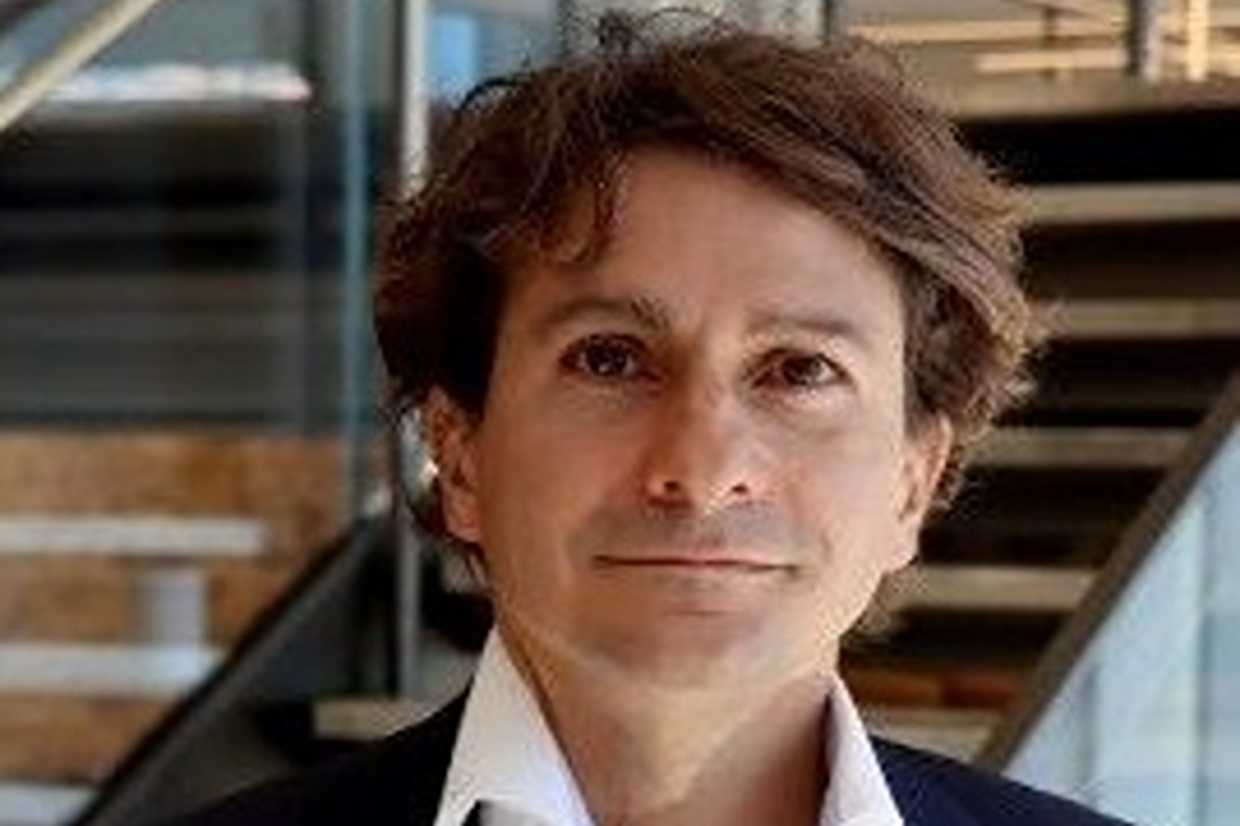
Hyatt has named Danny Miles as its new chief digital and information officer, a role that combines what had been separate digital product and core technology organizations under a single leader. Miles reports to Chief Commercial Officer Mark Vondrasek, and his mandate spans AI, digital product and guest experience, engineering, infrastructure, enterprise technology, data, and cybersecurity across Hyatt's roughly 1,500 hotels and properties worldwide, a scope wide enough that the combined title is doing real structural work, not just consolidating a reporting line on an org chart.
Vondrasek described the appointment directly, saying Miles brings the vision, technical expertise, and experience to fundamentally advance how Hyatt operates. Miles himself framed his mandate around making technology a more powerful part of how Hyatt cares for people and grows its business. The predecessor CIO role had been vacant since earlier this year, and the new combined structure replaces it rather than simply refilling it with a traditional IT focused successor.
Why Hyatt hired a retail executive instead of a hospitality one
Miles's background sits squarely in retail and direct to consumer commerce. He was CTO at Under Armour, where he led a multiyear overhaul of enterprise architecture, and before that CTO at Dollar Shave Club supporting its e-commerce operations, and before that he led direct to consumer cloud migration strategy at Nike. That is a resume built around selling directly to consumers at scale online, a very different muscle than running property management systems inside thousands of individual hotel buildings.
Hospitality has spent the last decade watching retail solve problems that hotels are only now confronting seriously: personalization at scale, direct booking versus third party channel dependence, and loyalty programs that need to feel as responsive as a modern e-commerce app. Hiring an executive who has already solved versions of those problems inside Nike and Under Armour's direct to consumer businesses is a bet that those lessons transfer more cleanly into hospitality than hospitality's own internal talent pool can currently offer.
Why merging digital and IT under one leader matters
Most large hospitality companies still run digital product and core IT as separate organizations, often with separate leaders who compete for budget and sometimes for strategic priority. That separation made sense when digital was mostly a marketing facing website layered on top of stable back end systems. It makes much less sense now that AI driven personalization has to reach directly into reservation systems, loyalty data, and operational infrastructure to actually work at the moment a guest is interacting with the brand.
Combining both functions under Miles removes the structural seam where those initiatives most often stall, the handoff point where a digital team's ambitious personalization roadmap runs into an IT team's more conservative infrastructure priorities and neither side has the authority to force a resolution. Hyatt's bet is that a single accountable leader with authority over both sides can move AI and personalization initiatives from pilot to production faster than a two headed structure ever could.
The significance of reporting to the chief commercial officer
Where a technology leader reports inside the org chart tells you almost as much as their title does. Miles reports to the chief commercial officer rather than the CEO or CFO, which ties his mandate explicitly to revenue, guest experience, and commercial outcomes rather than cost containment or pure operational uptime. That reporting line is a deliberate signal about what Hyatt expects this role to be measured against, and it is a choice plenty of other companies in guest facing industries still avoid making explicitly.
A CIO reporting into finance tends to get evaluated on budget discipline and system reliability, reasonable goals that rarely reward bold personalization bets or justify the short term disruption those bets can cause. A chief digital and information officer reporting into commercial leadership gets evaluated on whether guests book more directly, spend more once they arrive, and come back more often. That is a meaningfully different set of incentives, and it should change what kind of initiatives get prioritized and funded inside Hyatt's technology organization going forward, quarter over quarter.
What this means for the hospitality sector's talent pipeline
If Hyatt's bet on a retail trained CDIO pays off visibly, in measurable improvements to direct booking rates or personalization driven revenue, expect competitors across hospitality and broader travel to follow with similar hires rather than continuing to promote from within hospitality's traditionally narrower technology talent pool. Retail and e-commerce executives have spent years building exactly the personalization and direct to consumer muscle that hospitality now needs, often at larger scale than most hotel brands currently operate.
That does not mean hospitality specific knowledge becomes worthless. Property operations, revenue management systems, and the operational rhythm of running thousands of physical locations still require real domain expertise that a retail background does not automatically provide, and no amount of e-commerce fluency replaces years spent inside a hotel's actual operating model. The more likely outcome is a blended leadership model, where a retail trained chief digital officer pairs with deep hospitality operators underneath, rather than a wholesale replacement of hospitality expertise with retail pedigree.
What it means for your roadmap
If your organization still runs digital product and core technology as separate fiefdoms, Hyatt's move is worth using as a concrete internal case study, regardless of your industry. The structural seam between digital ambition and IT execution is rarely where companies admit their AI initiatives actually stall, but it is very often where they do, and a single accountable leader with real authority over both sides removes that excuse entirely.
Watch Hyatt's next few quarters closely. A reporting line into commercial leadership and a retail trained executive at the helm sets up a clear, measurable test: either direct booking and personalization metrics move in a visible way within a reasonable window, or this specific combination of structure and pedigree turns out not to transfer as cleanly from retail into hospitality as the hiring logic suggested it would, which would itself be a useful lesson for every other hospitality company watching from the sidelines.