What Google shipped
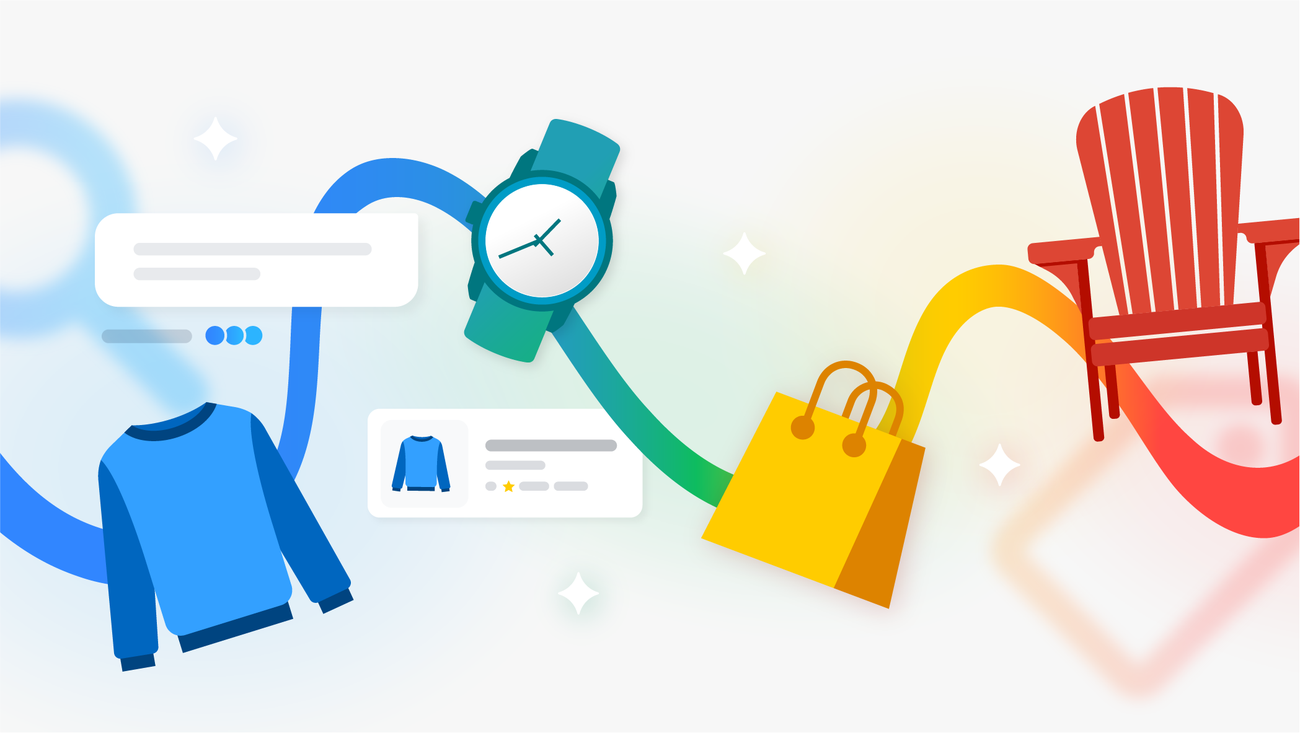
Google began rolling out direct checkout to Canadian shoppers inside AI Mode in Search and the Gemini app on November 4. The feature runs on the Universal Commerce Protocol, the open standard Google has been pushing with retail partners through 2026, and it lets a shopper research a product in conversation and then buy it without a separate trip to the retailer's site. Google Pay handles payment using details already saved in Google Wallet, and the stated goal is to capture sales that would otherwise be abandoned mid search, a persistent leak in conversational commerce funnels that retailers have struggled to plug on their own.
The launch partners are lululemon, Shoppers Drug Mart, Simons and a set of Shopify merchants, a mix that spans apparel, pharmacy and department store retail. Google's own post on the launch, written by Canada country managing director Sabrina Geremia, calls agentic commerce the next major shift for retail and says retailers remain the seller of record and can customize how the integration looks and behaves inside their own account, with loyalty rewards and other personalization features promised in coming months rather than at launch.
Why Canada first, and why now
Google's own research puts the number at 59 percent of Canadian holiday shoppers planning to use an AI tool to shop this season. That is the kind of figure that turns a protocol rollout into a Black Friday deadline, and it explains why Google chose to light up live checkout now rather than wait for a cleaner, fully tooled 2027 launch. Shipping into real holiday demand, even with Merchant Center support for UCP still a year away, gives Google live transaction volume to learn from before the stakes get higher in its largest markets.
Launching in a market sized test like Canada rather than the much larger and more scrutinized US lets Google iterate on checkout mechanics, fraud handling and merchant support with lower reputational risk if something breaks. It also lets Google show up with recognizable retail partners without first having to resolve the thornier data and attribution questions that larger US chains are still negotiating simultaneously with Google, OpenAI and Amazon. A Canadian pilot with lululemon and Shoppers Drug Mart is a credible proof point on its own terms.
The decision retailers actually face
Shoppers describing what they want in natural language inside Search and Gemini are already a meaningful and growing share of discovery traffic, and that traffic exists whether or not any individual retailer plugs in. The real decision in front of a retail CxO is how much of the checkout experience, and the customer relationship that comes with it, to hand over to Google in exchange for access to that traffic, since a competitor in the same category will capture the share a retailer declines to claim.
Integrating now buys a head start on a channel that is clearly growing, along with early influence over how UCP evolves before it hardens into a de facto standard that retailers have no say in shaping. Waiting preserves negotiating leverage and avoids building against an API that will not be fully supported in Merchant Center until 2027, at the cost of ceding early share to the lululemons and Simons already live. Both paths are defensible, but the costs and benefits differ sharply.
What retailers give up at the checkout line
The seller of record language is doing real work here. Retailers keep legal and operational responsibility for the sale, which matters for returns, tax and compliance, but Google owns the surface where the customer actually decides to buy. A marketplace listing at least leaves the retailer in control of page layout and merchandising around the product. Inside AI Mode, Google controls the conversation, the comparison, and increasingly the moment of purchase itself, with the retailer's brand reduced to one of several options Google's model chooses to surface.
First party data is the quieter cost, and arguably the more durable one. A purchase completed inside Gemini still generates a transaction record for the retailer, but the research, comparison and decision journey that preceded it happens entirely on Google's infrastructure. Retailers lose visibility into the browsing and consideration behavior that used to live in their own analytics, the exact signal that feeds personalization, inventory planning and marketing attribution across every other channel they operate.
What this means for 2026 into 2027
Expect Google to use the Canadian rollout as the reference case when it pitches UCP to US retailers still weighing OpenAI's competing agentic commerce protocol against Google's own. Real transaction volume, real returns handled, and real fraud data from a live market gives Google a stronger negotiating position than a roadmap slide, and it will lean on that evidence heavily heading into 2027 budget conversations with larger merchants who have more to lose and more leverage to use.
For CTOs and CIOs watching from outside retail, the pattern deserves study regardless of industry: a platform ships a narrow pilot in a smaller market, uses it to harden the integration and collect proof points, then expands the ask once the tooling carries less risk for the next cohort of adopters. The useful move is to engage early enough to help shape the standard while it is still forming, without volunteering your own customers as the platform's debugging environment.