The numbers behind the platform
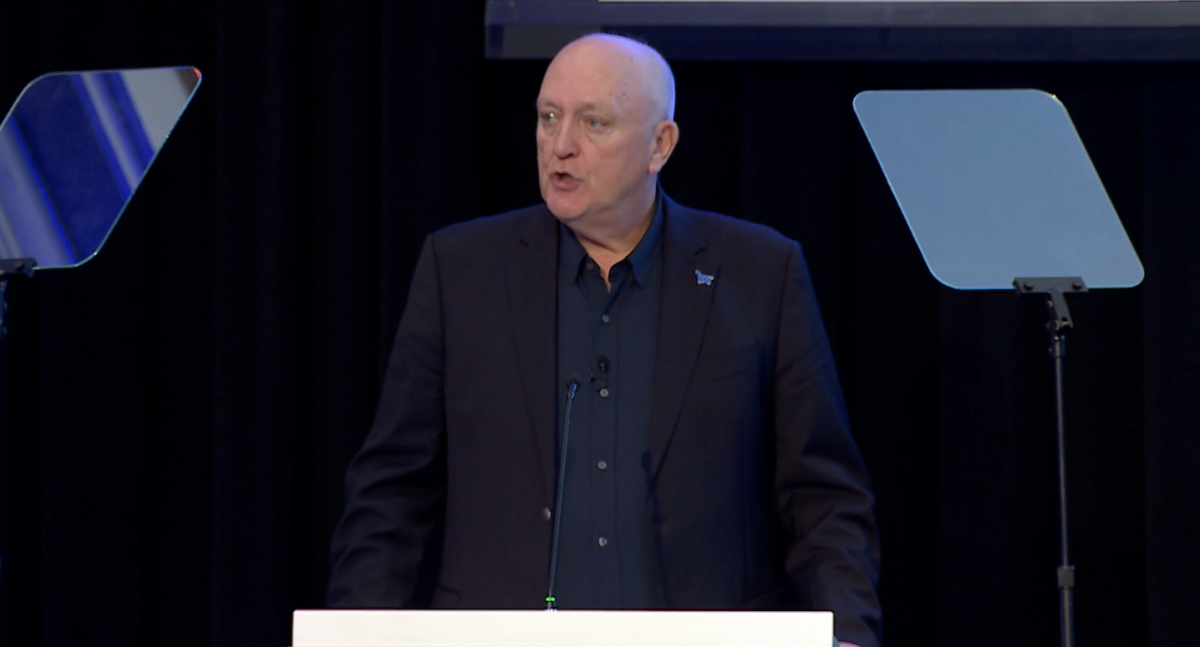
At Kroger's 2026 investor update in New York, EVP and chief store operations officer Mark Ibbotson described what the company calls its connected store platform: digital shelf labels, RFID, robotics and AI tied together to standardize how work gets done across thousands of locations. More than 36 million digital shelf labels are already installed across 1,100 stores, with Kroger expecting more than 2,400 stores covered by 2029. About 900 robots are live today, running out-of-stock detection, promotional display checks, price verification and truck completion checks, and that fleet is set to scale past 2,100 units by the same year.
RFID is the most quantified piece of the rollout. Live in roughly 1,500 store bakeries, it is delivering about 70 percent faster inventory counts, 50 percent lower waste, roughly 200 basis points of sales lift and nearly 50 basis points of category share gain, according to Kroger's own reporting. Kroger expects RFID coverage to reach more than 2,300 stores by 2029, and the company is targeting about 500 million dollars in total waste savings by that same year, a figure large enough to anchor a multi year capital case on its own.
Why these numbers matter more than the usual pilot story
Most in-store AI announcements lean on adjectives: smarter, faster, more efficient, without ever quantifying the gap between before and after. Kroger's investor update leans on arithmetic instead, and that distinction matters for anyone trying to build a business case internally. A 70 percent reduction in inventory count time and a 50 percent cut in bakery waste are numbers a CFO can model directly against labor hours and shrink budgets, carried through to a projected dollar figure, rather than aspirational claims that tend to evaporate under real financial scrutiny months later.
Ibbotson framed the shift plainly, crediting the connected platform for letting the company execute the same work better across thousands of locations at once. That is a build versus buy and integrate versus bolt-on statement as much as a technology one. Kroger is replacing the operating substrate that its point solutions used to sit on, a materially harder and more expensive bet than simply layering new tools onto legacy store operations, one that pays off in shared cross-system data instead of another set of siloed dashboards nobody fully trusts.
The AI layer that actually targets root cause
The specialized in-stock agent is the most interesting piece technically, more so than the robots or the labels. It connects roughly 20 different data pipelines to trace out-of-stocks back to their actual root cause instead of simply flagging the empty shelf after the fact. That distinction, between an alert system and a diagnostic system, is the kind of AI application that produces compounding value over time rather than a one-time efficiency gain, because fixing a genuine root cause prevents the next hundred instances of the same failure from ever reaching a shelf.
Kroger is also sharing computer vision shelf data directly with CPG suppliers, which Ibbotson framed as putting the retailer and its suppliers on the same signal. That data-sharing model, if it holds up at the scale Kroger is describing, changes the usually adversarial dynamic between retailer and supplier around shelf space and fill rates into something closer to a shared operating picture, a genuinely different posture than most retailer-supplier data relationships maintain today, and one worth watching for how suppliers respond once they have equal visibility.
The pricing line worth watching
Ibbotson addressed the personalized pricing question directly and on the record, stating plainly that Kroger does not and will not raise prices based on the person. That statement exists because the company has faced public scrutiny over algorithmic and surge pricing in grocery, and getting ahead of that narrative with a flat, specific denial, backed by an investor-facing commitment rather than a vague reassurance, is a governance move as much as a public relations one, aimed squarely at regulators and consumer advocates as much as investors in the room.
For other grocers watching Kroger's rollout, that line is worth noting as a template rather than a footnote. Deploying AI and dynamic shelf technology at this scale invites exactly the kind of personalized pricing suspicion Kroger is trying to head off before it becomes a story, and a public, specific commitment made now is considerably cheaper than walking one back after a pricing controversy forces the issue into headlines and congressional letters.
What this means for the roadmap conversation
The 95 percent consistency target for Kroger's one best way routines is the real tell here. The company is chasing standardization, the unglamorous work of making the same process run the same way across thousands of stores with different managers, different staffing levels and different store layouts, far more than it is chasing any single flashy new feature. That is where most retail technology rollouts actually die, not in the showcase pilot store but in the long tail of exceptions that never get resolved and quietly erode the promised return.
For any retail or CPG technology leader building a 2027 roadmap, Kroger's investor update is a useful benchmark less for the specific vendors involved, which Kroger did not name, than for the discipline of attaching real before and after metrics to every layer of the stack. A store AI initiative that cannot produce a number like 70 percent faster or 50 percent less waste within a defined timeframe should still be labeled a pilot internally, not promoted to the board as a platform.