The hire
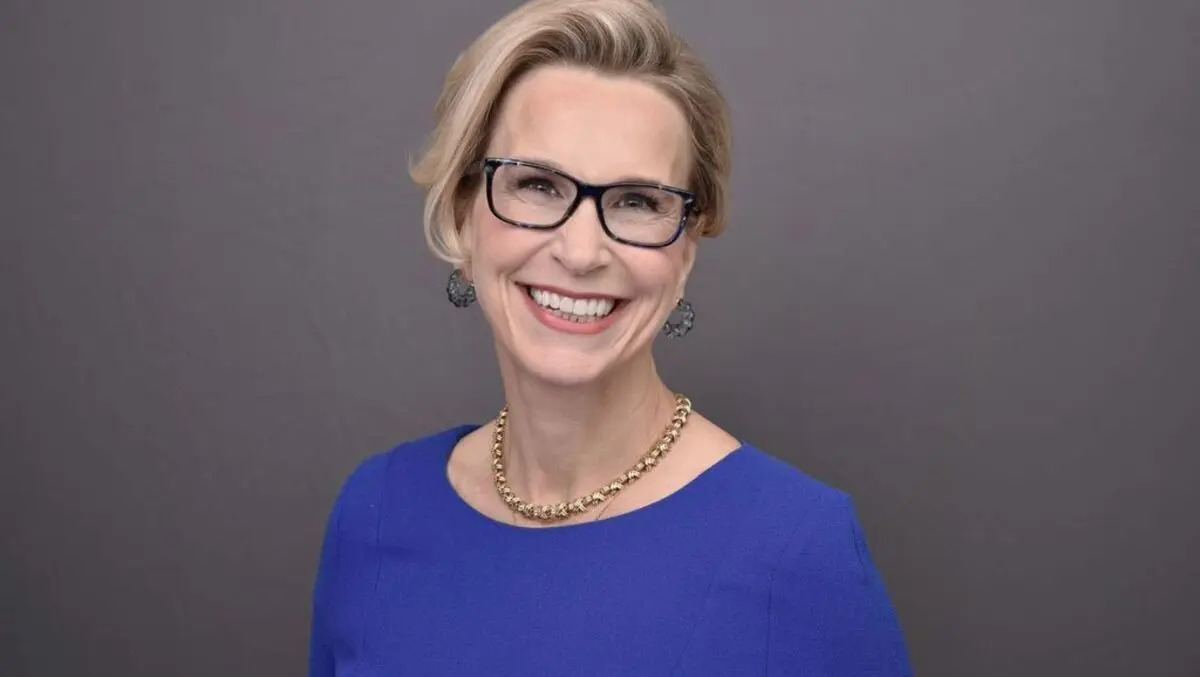
HP Inc. named Emma Walmsley as chief executive officer, the company confirmed in early November 2026. She succeeds Bruce Broussard, who had been serving as interim CEO since the prior chief departed for PayPal earlier in the year. HP chair Chip Bergh said Walmsley stood out for the strength of her leadership experience across multiple industries and her strategic thinking, a framing that leans on breadth of experience rather than domain expertise in computing hardware, semiconductors, or enterprise IT procurement, the areas where most of HP's day-to-day commercial relationships actually live.
Walmsley spent eight years as CEO of GSK, the pharmaceutical giant, before stepping down from that role earlier in 2026 after steering the company through a period of restructuring and portfolio focus. Before GSK she held marketing and general management positions at L'Oreal, where she ran major consumer brands across several international markets. She has no track record running a technology company, but she has sat on Microsoft's board for several years, giving her at least some direct exposure to how a large technology enterprise plans product cycles and allocates capital at the governance level, even without operating one herself.
Why an outsider, and why now
The appointment of a consumer-goods and pharma executive to run a hardware company signals that HP's board is betting on operating discipline and brand stewardship over deep technical vision at the top. Walmsley told the Financial Times she believes her GSK tenure will be recognized favorably over time, a defensive note that reflects the mixed reviews she received there, including pressure from activist investor Elliott Management questioning whether her lack of a scientific background was a structural weakness for a drug company's chief executive to carry through a critical R&D period.
HP's own numbers explain some of the board's urgency in making this specific kind of hire. Revenue rose 10 percent year over year to 44.5 billion dollars in the first nine months of fiscal 2026, driven almost entirely by PC sales, while the print business, historically HP's highest-margin segment and the one that funded dividends and buybacks for years, kept shrinking throughout the same period. The board evidently decided the next chief needed to be a change agent on cost structure and portfolio mix first, and a product visionary only second, if at all.
The PC market she is inheriting
Global PC shipments slumped 20 percent in the most recent quarter as DRAM shortages pushed component and finished-unit prices higher across the industry, and corporate customers responded by holding onto older machines instead of replacing them on the schedules vendors had been counting on. Analysts do not expect conditions to meaningfully improve before the end of 2026, which means Walmsley's first full quarter in charge will likely show continued pressure on unit volumes even in scenarios where average selling prices hold up or even climb on component scarcity.
AI PCs were supposed to be the category's bright spot, giving IT buyers a credible reason to refresh fleets ahead of their normal replacement schedule and giving HP a margin-accretive story to tell shareholders. So far, many enterprise customers remain unconvinced by that pitch, reluctant to pay a meaningful premium for on-device AI capabilities tied to workloads most of their workforce has not yet adopted in any measurable way. Walmsley inherits a sales narrative that has not yet closed the gap between vendor enthusiasm and actual buyer demand on the ground.
What CIOs negotiating with HP should expect
A CEO with no hardware pedigree and a clear operating-discipline mandate typically means tighter cost control arrives before bold new product bets do. Expect HP's commercial PC and print negotiations over the next two quarters to emphasize volume commitments, bundled services, and total-cost-of-ownership framing rather than aggressive AI PC feature pitches, since that is the kind of lever a turnaround-minded, numbers-first CEO reaches for well before she reaches for a new platform strategy or a splashy product keynote.
It also means HP's channel and enterprise account teams will likely face new internal pressure to defend margin on every deal, which could translate into less pricing flexibility for large fleet refreshes in the near term than buyers have grown used to. Procurement teams planning 2027 hardware cycles should factor in a vendor that is tightening internally even as it keeps telling the market, correctly, that its PC business is still growing on a headline revenue basis.
The redundancy question
HP's prior CEO left the role for PayPal after leading multiple rounds of layoffs, and employees inside HP are reportedly watching closely for signs that Walmsley will follow a similar playbook now that she holds the title. A pharma-industry background does not obviously predict restraint on workforce costs one way or the other, and GSK itself went through significant restructuring during her tenure there, including research and development reorganizations explicitly aimed at sharpening focus and cutting recurring cost across multiple therapeutic areas.
For enterprise customers and channel partners, workforce stability at a key vendor matters less directly than account continuity does, but the two are closely related in practice. A CEO focused on aggressive cost-cutting in her first year typically reorganizes sales and support structures alongside headcount, and that pattern can mean account team turnover for HP's largest commercial customers at exactly the moment they need stability most, in the middle of a genuinely difficult PC market cycle.
The bigger read for enterprise tech leaders
HP's board chose experience managing a complex, margin-pressured consumer business over domain expertise in computing, and that choice is itself a signal about what the board believes HP's core problem actually is right now. If the board thought HP's issue was falling behind technically against Dell, Lenovo, or Apple, it would have hired a product or engineering leader with a visible track record in that specific fight. Instead it hired an operator known for cost discipline and brand management, suggesting the board sees execution and market positioning, not underlying technology, as the real gap to close.
Enterprise buyers evaluating HP as a strategic hardware and print partner for their 2027 planning cycles should treat this leadership change as a signal of tighter commercial terms ahead, not as a signal of bold new AI PC innovation arriving on a faster timeline. Walmsley's early moves on pricing, channel structure, and workforce over the next two quarters will tell the real story of her tenure far faster, and far more reliably, than any product keynote or roadmap slide HP puts in front of its customers.