A Medium Score on a Maximum Target
On its CVSS line CVE-2026-20262 looks unremarkable. Cisco rated it medium severity, a 6.5, and the description is dry: an arbitrary file write in Catalyst SD-WAN Manager, formerly known as vManage. An authenticated remote attacker with at least write access can send a specially crafted request to a file upload endpoint and create or overwrite any file on the underlying operating system. No remote code execution headline, no perfect ten. On paper, the sort of flaw that slides to the bottom of a patch queue.
That reading is wrong, and CISA's response shows why. The agency added the bug to its Known Exploited Vulnerabilities catalog and ordered federal agencies to remediate it by June 29, 2026. CISA does not assign deadlines to theoretical risk. The KEV listing is reserved for flaws with confirmed active exploitation, and Cisco itself acknowledged it became aware of the bug being used in attacks. A medium-severity score on a device that orchestrates an entire wide area network is not a medium-severity problem.
From File Write to Root
The mechanics explain the alarm. The vulnerability stems from inadequate validation during file upload. Once an attacker can write an arbitrary file to disk, the medium label evaporates, because file write is rarely the end of the chain. Cisco's own advisory notes the written file could later be used to elevate to root. The published indicators of compromise make the path concrete: defenders should look for suspicious WAR file uploads landing in the WildFly deployments directory, followed by deployment and HTTP POST requests to malicious JSP files.
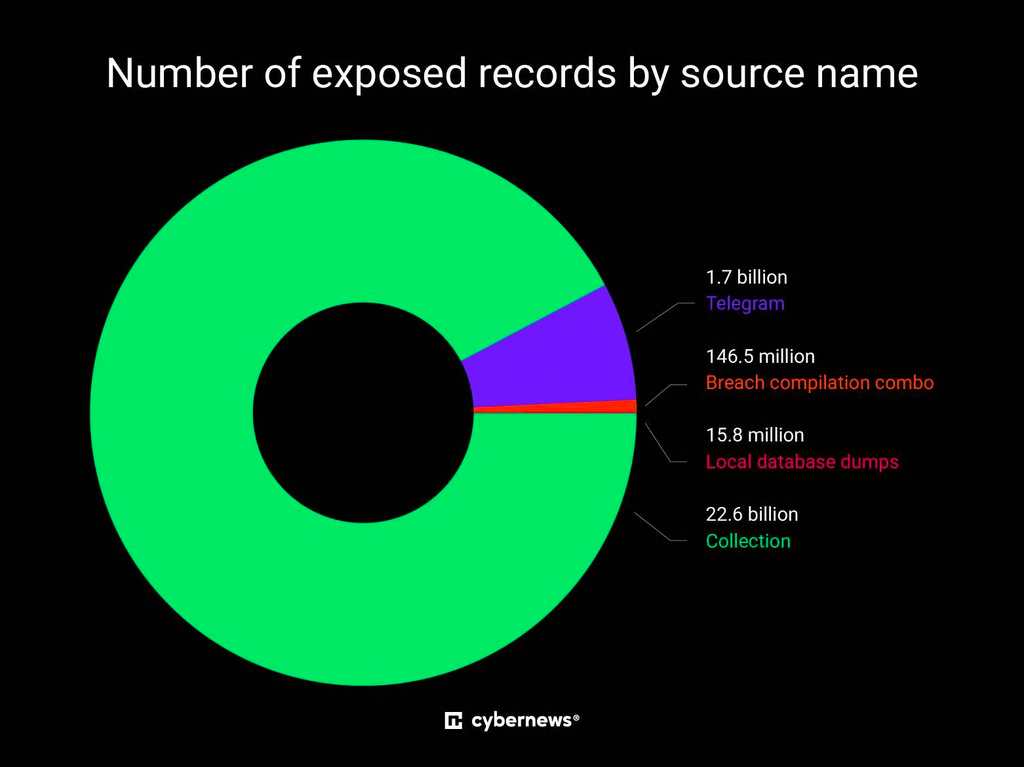
That sequence is a textbook web shell deployment dressed up as a configuration upload. Drop a Java archive into the directory the application server watches, let it deploy automatically, then talk to the resulting endpoint to run commands. The authentication requirement offers thin comfort. SD-WAN Manager credentials are exactly what an attacker harvests first, whether through the infostealer logs circulating by the billions or through earlier flaws in the same product. Authenticated does not mean authorized, it means the attacker already got a foothold and is now turning it into ownership.
Eight in One Year Is a Pattern
What elevates this from a routine patch story to a strategic one is the count. CVE-2026-20262 is the eighth Cisco SD-WAN vulnerability confirmed exploited in 2026, following CVE-2026-20245, CVE-2026-20182, CVE-2026-20127, CVE-2026-20128, CVE-2026-20122, CVE-2026-20133, and an older CVE-2022-20775 that resurfaced. Eight exploited bugs in a single product line in less than six months is not a run of bad luck. It is a sign that capable adversaries have decided this management plane is worth sustained investment, and they are systematically working through it.
Cisco described the activity as limited, targeted attacks by a sophisticated threat actor, language that in this industry usually points toward a state-sponsored operator. That framing should not breed complacency at organizations that consider themselves unlikely targets. Sophisticated actors prove techniques quietly before commodity criminals copy them. Once the patches ship and reverse engineers compare the before and after, the window between disclosure and mass exploitation can collapse to days. The targeted phase is the head start defenders get, not a reason to relax.
The Management Plane Is the Crown Jewel
SD-WAN Manager is not just another server in the rack. It is the control plane for the entire network fabric, pushing policy and configuration to every branch, data center, and cloud edge under its authority. Compromise it and you do not own one box, you own the nervous system that tells every other box what to do. An attacker with root on the manager can reroute traffic, weaken segmentation, plant persistence across sites, and watch the whole environment from the one vantage point built to see everything. That is why a file write here outranks a far flashier bug on a single endpoint.
Cisco shipped fixed builds across the affected trains, including 20.9.9.2, 20.12.7.2, 20.15.4.5, 20.15.5.3, 20.18.3.1, and 26.1.1.2, spanning on-premises, cloud-hosted, Cisco-managed, and FedRAMP government deployments. The remediation is straightforward in theory and painful in practice, because patching the management plane means touching the system everything depends on. Organizations should treat the June 29 federal deadline as their own floor, not a government-only obligation, and hunt for the published indicators on the assumption that exploitation may already have happened before the patch arrived.
What CIOs Should Take Away
The broader message is about where attention belongs. Security programs still over-index on endpoints and under-index on the appliances that quietly run the network. Routers, SD-WAN controllers, VPN concentrators, and management consoles tend to be patched on slow cycles, exposed to broad internal access, and monitored less aggressively than the laptops on every desk. The 2026 Cisco campaign is a sustained argument that this priority is backwards, because the payoff for compromising infrastructure is so much larger than for compromising any single user.
Practically, that means tightening who can reach SD-WAN Manager in the first place. Management interfaces should never be internet-facing, administrative access should sit behind its own strong authentication and segmentation, and credential exposure for these systems should be treated as a sev-one event. The authentication requirement in CVE-2026-20262 is the whole defense if you take it seriously, because an attacker who cannot obtain valid write credentials cannot start the chain. Patch by the deadline, then make sure the next valid-credentials bug has nowhere to begin.