From quiet supplier tool to public ad platform
Circle K is actively expanding Full Circle Media, its retail media network that launched in February 2026, shifting from a quiet, supplier-focused approach to openly promoting its advertising capabilities. That shift in posture, from a network CPG suppliers had to know about to seek out, to one Circle K is actively marketing, mirrors the trajectory grocery retail media took several years earlier: a capability built first for a narrow set of sophisticated advertisers, then opened up once the underlying infrastructure and measurement were proven enough to support broader demand.
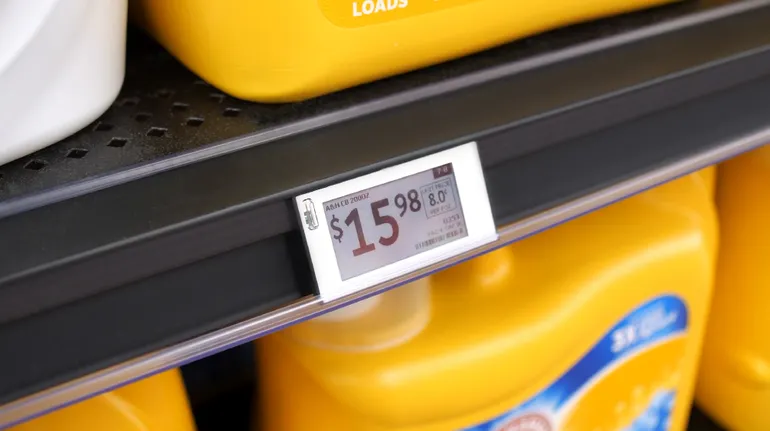
The scale numbers explain why Circle K believes it is ready for that broader push. The network spans over 6,600 US locations generating 200 million monthly impressions, delivered through 13,200 in-store digital screens under the Lift brand and 3,800 fuel pump screens, with digital placements on the app, email, and, as of May 2026, social and off-site advertising. That is a meaningfully larger physical footprint than most retail media entrants launch with, which is precisely why Circle K waited until now to promote it publicly rather than announcing the network before the infrastructure existed at scale.
The fuel pump is the untapped inventory
Director Joell Robinson, who joined Circle K from Giant Eagle's Leap retail media network, is implementing an omnichannel approach that treats fuel pump advertising as connected to, rather than separate from, in-store conversion. Robinson's framing is direct: Circle K has so much traffic at the pump that even capturing a small percentage of it would be material. That is the core insight driving this expansion. Convenience retailers have historically treated pump advertising as a low-value, largely unmeasured inventory type, but Circle K is now building the infrastructure to track whether a shopper who sees an ad at the pump converts inside the store.
That pump-to-store conversion tracking is the harder engineering problem inside this expansion, and it is where Circle K's approach differs most from a typical in-store retail media network. It requires linking a fuel transaction, an ad impression at a specific pump, and a subsequent in-store purchase into a single measurable customer journey, which is a materially more complex data integration problem than measuring in-store screen impressions against register receipts alone.
Loyalty data is the measurement foundation
Circle K's Inner Circle loyalty program, with 14.7 million members across 5,000 stores in 34 states, is the data layer that makes closed-loop measurement possible across this expanded network. Robinson described the goal plainly: to get to an all-encompassing, omnichannel, closed-loop measurement system. That ambition only works if a large enough share of transactions are tied to an identifiable loyalty member, similar to the dynamic driving Kroger's own retail media expansion around its 95 percent loyalty card attach rate. Circle K has left its own attach rate undisclosed, while the emphasis on closed-loop measurement signals that loyalty identification, more than screen count, is the asset the company is actually building its pitch to advertisers around.
This is the pattern retail media is converging on across categories: the retailers winning the largest share of advertiser budgets are not necessarily the ones with the most screens or the most locations, they are the ones that can prove an ad impression led to a specific, attributable purchase. Circle K's bet is that combining fuel pump reach, in-store screens, and loyalty-linked purchase data gives it a measurement story competitive with larger, more established retail media networks, even from a convenience store footprint that industry analysts still describe as fragmented.
A genuinely underdeveloped category
Analyst Andrew Lipsman noted that convenience store retail media remains fragmented industry-wide, with 7-Eleven's network standing as the primary exception to that fragmentation. That context matters for how CPG brands and retail media buyers should read Circle K's expansion: this is not a crowded market where Circle K is fighting for share against several established competitors, it is a category with essentially one dominant incumbent and open space for a credible second national network. Circle K's store count and screen density give it a plausible path to that position if the measurement infrastructure holds up under advertiser scrutiny.
For CPG brands, particularly in categories like beverages, snacks, and tobacco alternatives that overindex on convenience store purchase occasions, a credible second national convenience retail media network is a genuine planning consideration, not just a nice-to-have. Brands that have concentrated convenience channel ad spend with 7-Eleven by default, absent a real alternative, now have a second option worth evaluating on its own measurement merits rather than defaulting to the incumbent.
What this means for retail media strategy broadly
Circle K's expansion is another data point in a broader pattern: retail media is no longer a grocery and mass-merchant phenomenon, it is spreading into every retail vertical with enough foot traffic and enough purchase data to build a measurement story. Convenience, drugstore, and specialty retailers sitting on loyalty data and physical footprint that they have not yet monetized through advertising should treat Circle K's move from quiet to public promotion as a signal that the infrastructure and advertiser demand are mature enough to support this now, not in some future cycle.
The operational lesson for any retailer building a similar network is Circle K's sequencing: build the physical and data infrastructure first, prove it out with a smaller set of sophisticated advertisers quietly, and only promote the network broadly once the measurement claims can withstand scrutiny from a wider advertiser base. Launching the marketing push before the closed-loop measurement actually works is the fastest way to burn credibility with CPG media buyers who have grown skeptical of retail media networks that oversell attribution they cannot actually deliver.