One Fulfilment Backbone, Three Retail Brands
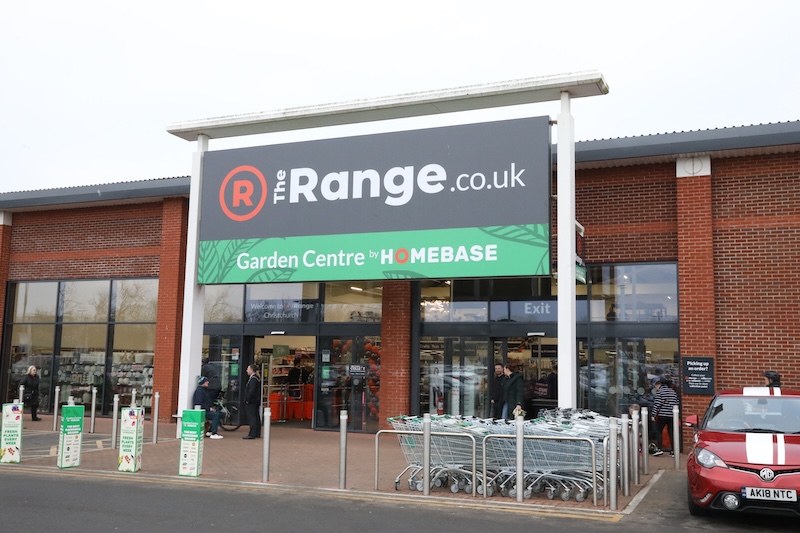
CDS Superstores runs three distinct retail brands, The Range, Wilko and Homebase, each with its own product mix spanning home, leisure and garden categories. Rather than building separate fulfilment infrastructure for each, the group has extended its multi-year partnership with THG Fulfil, the logistics and courier management arm of THG Ingenuity, first signed in 2024. The renewal is a bet that one shared fulfilment network can scale across three brand identities without the operational drag of running parallel logistics stacks, each with its own warehouse contracts, courier relationships and automation investment to maintain separately.
Ben Exall, CDS Superstores' Group Chief Digital and Marketing Officer, called digital transformation central to growth plans for The Range, Wilko and Homebase, naming all three brands in a single sentence rather than singling one out for special treatment. That phrasing is deliberate. It signals the group's digital investment thesis is brand-agnostic at the infrastructure layer, with differentiation reserved for merchandising, marketing and site experience rather than the warehouse and courier network underneath, which every brand in the portfolio now draws on equally.
What 95 Percent Automation Actually Looks Like
The figure buried in THG Fulfil's announcement is the one operations leaders should sit with: roughly 95% of units sold across the partnership now pass through some form of automation, including a fleet of Geekplus goods-to-person robots. That is a high bar for a fulfilment operation serving home, leisure and garden retail, categories known for irregular item sizes and seasonal demand swings that make automation harder than it is for apparel or electronics.
Hitting that automation rate after roughly two years of partnership suggests THG Fulfil built for scale from the start rather than retrofitting robotics onto a manual warehouse over time. For any retailer still running majority-manual fulfilment, THG Ingenuity COO Tom Killeen's framing is a useful benchmark: he called fulfilment the centre of customer excellence and brand reputation, treating a warehouse automation rate as a customer experience metric rather than a pure cost line.
Why Google Cloud AI Is Riding Along With a Logistics Renewal
The most telling part of this announcement is what it bundles alongside the fulfilment extension: Google Cloud AI technology to improve search and product discovery specifically on wilko.com. Pairing a warehouse automation renewal with a front-end AI search investment reflects a deliberate view inside CDS Superstores that fulfilment speed and product discoverability are two halves of the same conversion problem, and that funding one while leaving the other untouched leaves measurable revenue on the table every quarter the gap persists.
A shopper who cannot find the right product on wilko.com never reaches the fulfilment network that CDS Superstores and THG Fulfil have spent two years optimizing, no matter how automated that network has become. Excellent search paired with slow, unreliable fulfilment behind it converts browsers into one-time buyers rather than repeat customers, and the reverse is just as true. CDS Superstores appears to be treating discovery and delivery as a single budget line rather than two departments competing for separate funding cycles each year.
The Marketplace Bet Buried in the Same Announcement
The renewal also funds continued use of Mirakl's platform to grow The Range's online marketplace, extending a model that lets third-party sellers list products alongside CDS Superstores' own inventory. Marketplace models expand catalog breadth faster than a retailer can expand its own buying and warehousing, but they introduce a fulfilment complexity problem: third-party seller shipments do not automatically benefit from the same automation rate as first-party inventory moving through THG Fulfil's robots.
Running a marketplace well requires either folding third-party fulfilment into the same automated network, which THG Fulfil's broader logistics capability positions it to do, or accepting a two-speed fulfilment experience where marketplace orders ship slower than first-party ones. CDS Superstores has stayed quiet on which path it is taking so far, and that decision will ultimately determine whether The Range's marketplace expansion strengthens or dilutes the customer experience gains the rest of this deal is designed to deliver.
What a Multi-Year Renewal Signals That a New Contract Would Not
Retailers renew logistics partnerships for one of two reasons: genuine satisfaction with performance, or switching costs high enough to make renewal the path of least resistance. The specific terms here, layering new AI search and marketplace investment on top of the existing fulfilment relationship rather than simply extending the base contract, point toward the former. A retailer unhappy with its fulfilment partner does not typically choose that renewal moment to add new, deeper digital investment on top.
That distinction matters for any CTO benchmarking vendor relationships internally. A flat renewal with no added scope is often a retention decision made under switching-cost pressure. A renewal that expands scope, as this one does with AI search and marketplace platform investment layered in, is closer to a genuine vote of confidence in the partner's ability to execute on the next phase of growth, not just maintain the current one.
The Real Decision Other Multi-Brand Retailers Should Take From This
The pattern here is worth copying for any retail group running multiple brands under one parent company. CDS Superstores did not build separate logistics stacks for The Range, Wilko and Homebase, and it did not treat fulfilment, search and marketplace platform as three unrelated technology decisions owned by three different teams. It bundled them into one partnership renewal, with automation at the base, AI search in the middle and marketplace growth on top.
For a multi-brand retailer, the hardest technology decision is usually not which vendor to pick for any one capability. It is whether to centralize infrastructure across brands at all, given the organizational friction that centralization usually creates. CDS Superstores' renewal suggests the fulfilment and digital discovery layers are exactly where that centralization pays off, while brand-specific merchandising and marketing stay separate, a reasonable template for any retail group wrestling with the same structural question.