What the market is actually pricing
Blackstone's BXDC, a publicly traded data center REIT, priced its shares at 20 dollars when it debuted in mid-May 2026. By early October, shares were trading below 17 dollars, down roughly 16 percent. That decline matters less as a standalone number and more as a real-time signal of how public investors are now pricing AI infrastructure risk, since BXDC is one of the few liquid, continuously priced instruments tracking this asset class rather than a private valuation set once a year by the companies themselves.
The REIT's struggles sit alongside a parallel story at Firmus, an AI infrastructure company in which Blackstone holds 6.7 percent after joining a 2 billion dollar funding round in August that valued the company above 10.5 billion dollars. Blackstone had earlier helped arrange a 10 billion dollar debt facility for Firmus. A planned Singapore REIT IPO for the company, pitched at a yield near 6 percent, has been delayed. Taken together, both the public REIT and the private growth bet are showing the same pattern: capital that flowed in easily during 2025 is now facing harder questions about exit timing and realized returns.
The sale that shows what's actually working
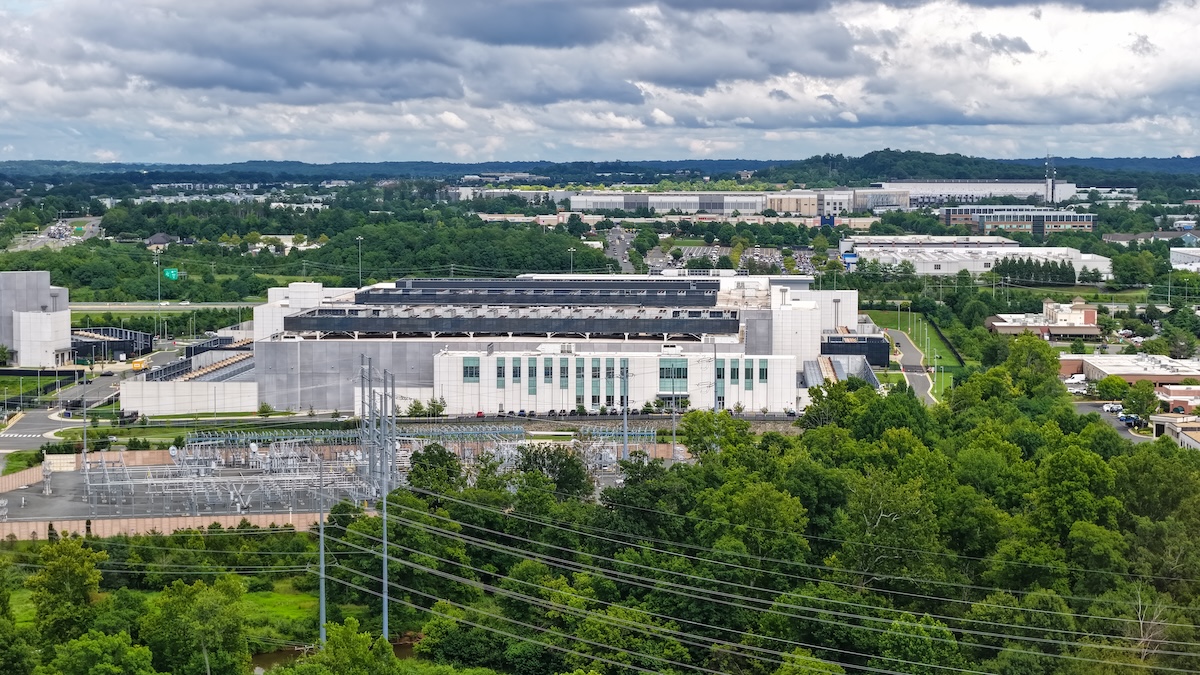
Contrast that with Blackstone's June 2026 sale to Digital Realty of its blended 64 percent equity stake in three fully leased Northern Virginia data centers totaling 288 MW. The deal valued the stake at 3.5 billion dollars, split between 1.2 billion in cash and 2.3 billion in Digital Realty shares, implying a 7.8 billion dollar gross valuation for the underlying assets. That is a strong price, and it closed cleanly, because the assets were stabilized and fully leased rather than still being built out against speculative future demand.
The pattern across all three situations is consistent. Mature, income-producing, fully leased data center assets are still commanding strong prices and finding willing buyers. Growth-stage, still-building AI infrastructure platforms, whether structured as a public REIT like BXDC or a private growth bet like Firmus, are facing a tougher audience of investors who want to see a credible path to cash generation rather than a growth story alone. That split is becoming the defining fault line in how capital gets allocated across the sector, and it is worth tracking closely because the same split will determine which of your own infrastructure vendors can refinance smoothly and which cannot.
Why CoreWeave is the cautionary tale everyone cites
CoreWeave keeps coming up in this conversation because its numbers illustrate exactly where the skepticism is coming from. The company has struggled to reach positive free cash flow despite EBITDA forecasts that look strong on their own. The gap matters because EBITDA excludes depreciation, and depreciation is unusually large for data center operators given how capital-intensive and short-lived some of the underlying hardware is relative to the building around it. A company can report impressive EBITDA growth while still burning cash, and investors who got comfortable pricing data center operators on EBITDA multiples during the easy-capital period are now re-learning why free cash flow is the harder, more honest number.
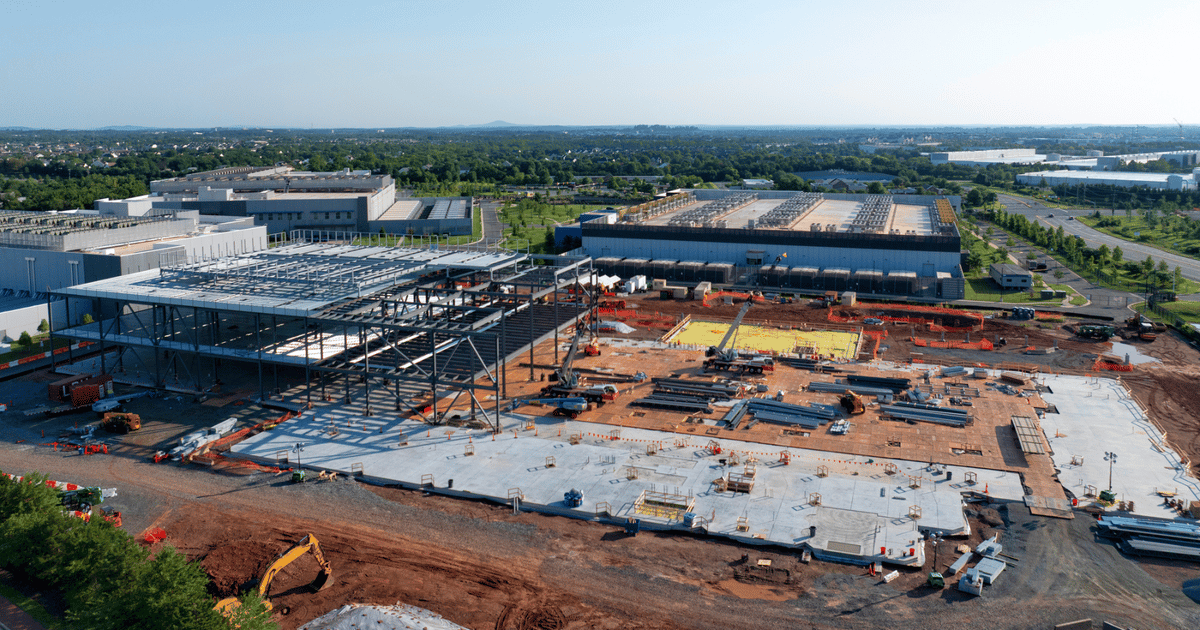
This is the same lesson Blackstone's own portfolio is demonstrating in miniature. The REIT and the Firmus stake both carry growth-stage characteristics similar to CoreWeave's profile, heavy capex, EBITDA that looks healthy, cash generation that lags. The Digital Realty sale, by contrast, worked precisely because those three Virginia facilities had already cleared the hard part: they were built, leased, and generating real cash before anyone had to price them. Any provider still in the construction or ramp phase of its own buildout, no matter how strong its contracted revenue number looks, is still carrying the same unresolved cash flow question CoreWeave has not yet answered.
What this means for your vendor diligence
If your company leases capacity from, or has a multi-year contract with, an AI infrastructure provider backed by private equity or structured as a newly public REIT, ask where that specific asset sits on the maturity spectrum this market is now pricing so differently. A provider operating stabilized, fully leased facilities with a demonstrated cash flow history is a fundamentally different counterparty risk than one still constructing capacity against contracted-but-undelivered demand, even when both show up in a vendor comparison spreadsheet labeled the same way.
The practical diligence question is simple to ask and revealing in the answer: what percentage of the provider's current capacity is generating cash today versus still under construction or ramping, and what happens to your contract if the provider's broader financing runs into the kind of friction BXDC and Firmus are both now facing. A provider confident in its financing will answer specifically. One that deflects is telling you something about how exposed its own balance sheet is to exactly the repricing this market is in the middle of.
The roadmap takeaway
Treat your AI infrastructure vendor's financing structure as a live input to your own risk model, not a one-time diligence checkbox at contract signing. The gap between stabilized and growth-stage AI infrastructure pricing that this market is now drawing did not exist eighteen months ago, when capital was abundant enough that almost any data center story could get funded on a growth narrative alone. That gap is real now, and it will keep showing up in financing news for the vendors your roadmap depends on.
Build a standing practice of checking your key infrastructure vendors' public market signals, where available, the same way you already monitor their security posture and uptime record. A vendor's stock price, bond spread, or delayed IPO is not noise to your procurement decision. It is the clearest early warning you will get before a capacity commitment turns into a renegotiation you did not initiate, and it costs nothing more than adding one more line item to a diligence process you are already running on every other vendor.