What NERC just moved forward
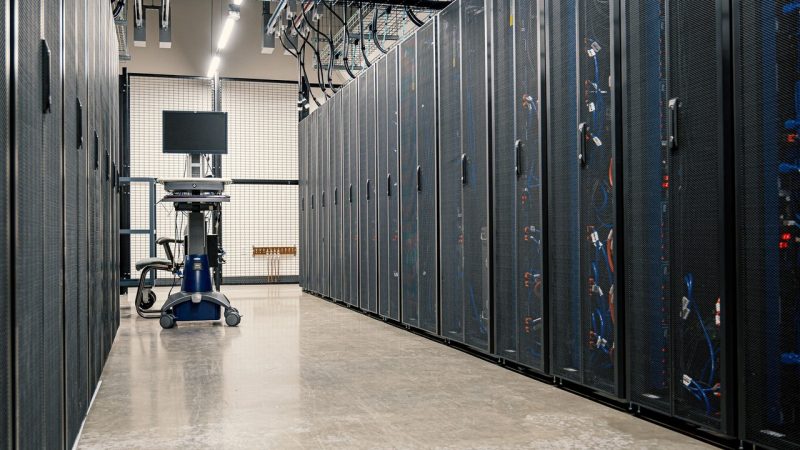
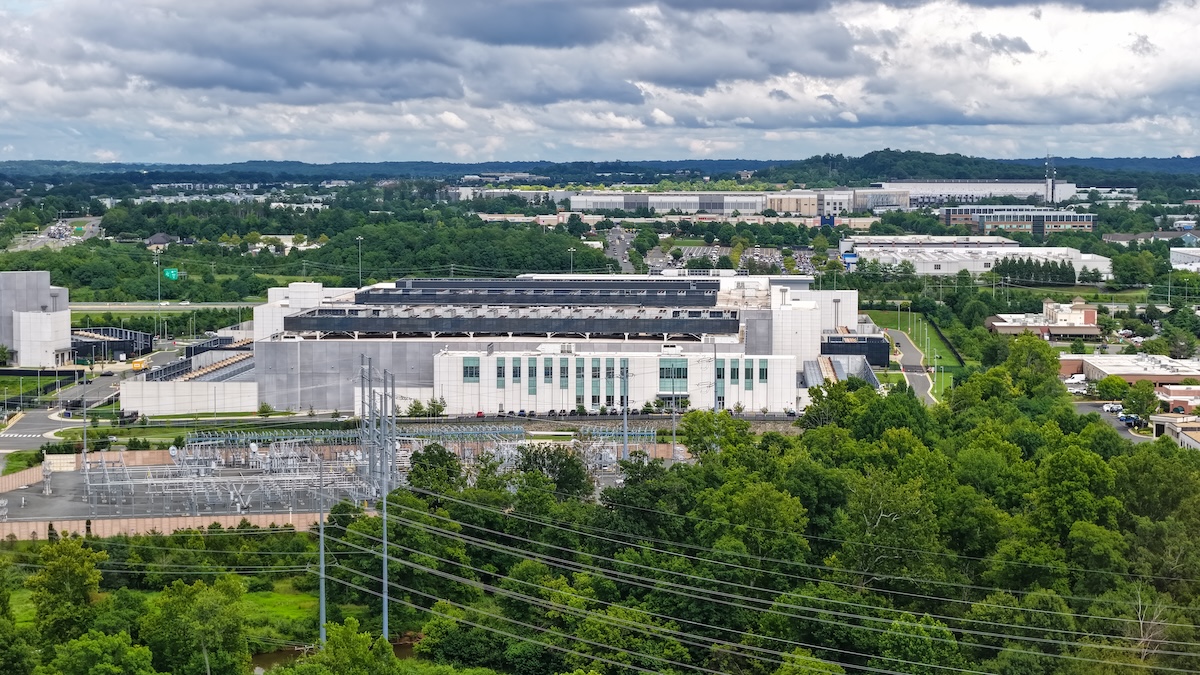
The North American Electric Reliability Corporation's stakeholders approved new reliability standards for what the industry calls large computational loads: AI data centers and crypto mining facilities drawing 50 MW or more at interconnection voltages of 100 kV or higher. The standards, developed under NERC Project 2026-02, cover three areas. First, interconnection studies and modeling, meaning new data, verification, and reporting requirements for how these loads get planned into the grid. Second, operational data and communications, so transmission operators, balancing authorities, and reliability coordinators get the real-time site data they need and have predefined protocols to act fast when something goes wrong. Third, load protection coordination and disturbance monitoring.
NERC's own framing is blunt: the goal is to "establish requirements to support the reliable integration of large computational loads into the bulk power system." The standards are not final. They go next to the NERC Board of Trustees for a vote expected in the fourth quarter of this year, and if adopted, they still need FERC's final approval before taking legal effect. That is a multi-step process, but the direction is no longer in doubt, and a May Level 3 alert already forced grid entities to take seven interim actions addressing immediate risks while the permanent rules get finished.
Why regulators moved now
This did not come out of nowhere. NERC says large computational loads have caused real incidents where facilities unexpectedly dropped load or rapidly oscillated demand, both of which can destabilize a regional grid in ways utilities have historically only had to plan for with large industrial customers, not with hundreds of megawatts that can swing in seconds as a training run starts or stops. NERC describes these loads as "reshaping the demand profile and exposing reliability gaps in both operational and planning time horizons," which is regulatory language for: the grid was not built assuming a customer could add or shed 100 MW on the timescale of a GPU cluster ramping up.
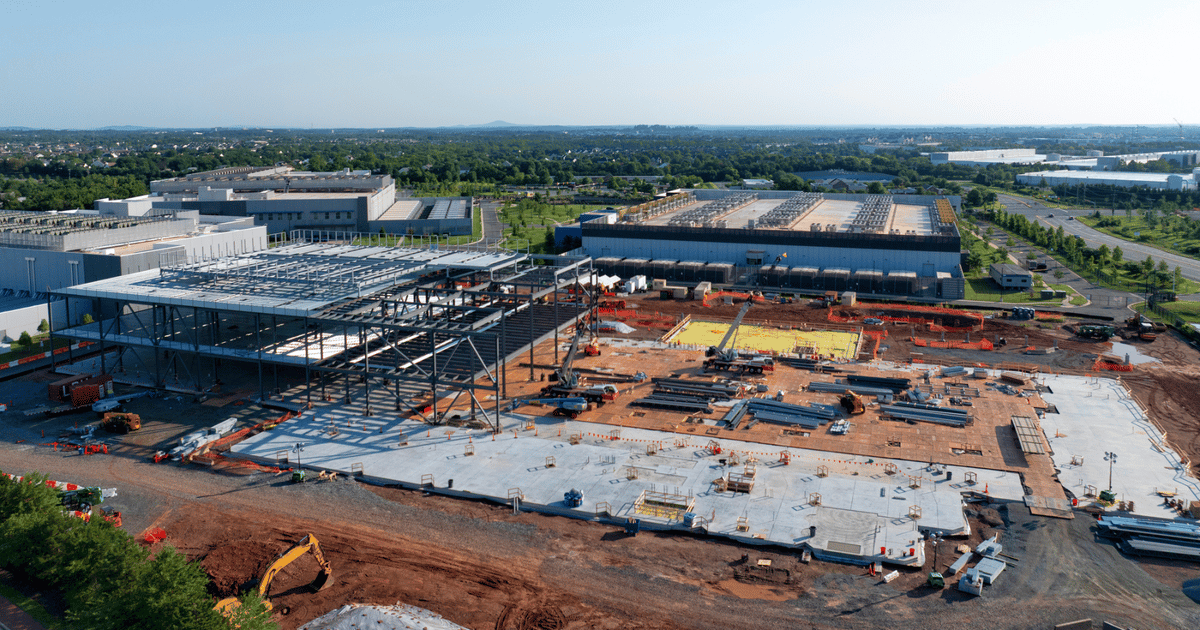
The scale of the forecast makes the urgency easy to understand. NERC projects summer peak demand will grow by 224 gigawatts over the next ten years, a 24 percent increase over 2025 peak levels, with data centers identified as a major driver of that growth. Utilities are being asked to plan a decade of capacity expansion around a customer category whose load behavior is harder to predict than almost anything else on the grid. Writing reliability rules before a major cascading failure happens is the regulator doing its job early, which is unusual enough to be worth noting.
What this actually means for a data center tenant
If your company leases dedicated capacity at this scale, whether through a colocation contract, a build-to-suit deal, or a large committed block from a hyperscaler, the compliance burden these standards create does not stay with the utility. Interconnection studies, operational data reporting, and disturbance monitoring require instrumentation and reporting discipline at the facility level, and someone in that contract chain is going to be asked to pay for it and operate it. For hyperscaler customers, this is likely absorbed invisibly into the provider's existing grid relationships. For enterprises with their own dedicated or colocated capacity, it is a new line item worth getting ahead of.
The load protection and disturbance monitoring piece matters even more directly. If your facility's power draw behavior triggers protective action from a grid operator during a demand event, you could be the one curtailed first if your contract and your facility's instrumentation do not clearly establish your priority and your compliance posture. Enterprises running their own AI training infrastructure at meaningful scale should treat this as a prompt to audit whether their facility already meets the operational data-sharing bar these standards are about to require, rather than finding out during an actual grid event.
The contract language to get ahead of
Expect colocation and build-to-suit agreements signed from here forward to start including explicit grid compliance clauses: who instruments the facility, who reports operational data to the reliability coordinator, and who absorbs the cost if a retrofit is needed to meet a standard adopted after the lease was signed. None of that exists as standard boilerplate today because the standards themselves are not final yet, which is exactly why now is the moment to negotiate it, before every landlord and colocation provider has pricing power built around a known, mandatory cost.
If you are mid-negotiation on a large capacity deal right now, ask directly whether the facility's interconnection agreement already anticipates Project 2026-02 compliance, and if not, who bears the retrofit cost when it becomes mandatory. A provider that cannot answer is either unaware of the coming requirement or planning to pass the cost to you later as a surprise. Either answer is useful information before you sign, and getting it in writing now is far cheaper than renegotiating after a regulator has already set the deadline and the provider has lost its reason to compromise.
The bigger roadmap signal
This is the clearest sign yet that large AI compute load is now being regulated as critical grid infrastructure, not treated as an ordinary commercial electricity customer. That shift has been coming since the first reports of data centers causing frequency disturbances, and it will accelerate as the 224 gigawatt demand growth NERC is forecasting actually materializes over the next decade. Expect similar large-load standards to show up in state-level utility commission proceedings well before FERC finalizes the federal version.
For a CTO or infrastructure lead planning multi-year capacity, the practical takeaway is to stop treating power availability and power compliance as separate questions. A site with abundant power but no path to meeting these interconnection and reporting standards is not actually a viable long-term site, even if it looks attractive on a pure capacity basis today. Factor regulatory readiness into site selection with the same weight as megawatts available, because that weighting is about to become mandatory rather than optional.