Two breaches, one organization, overlapping timelines
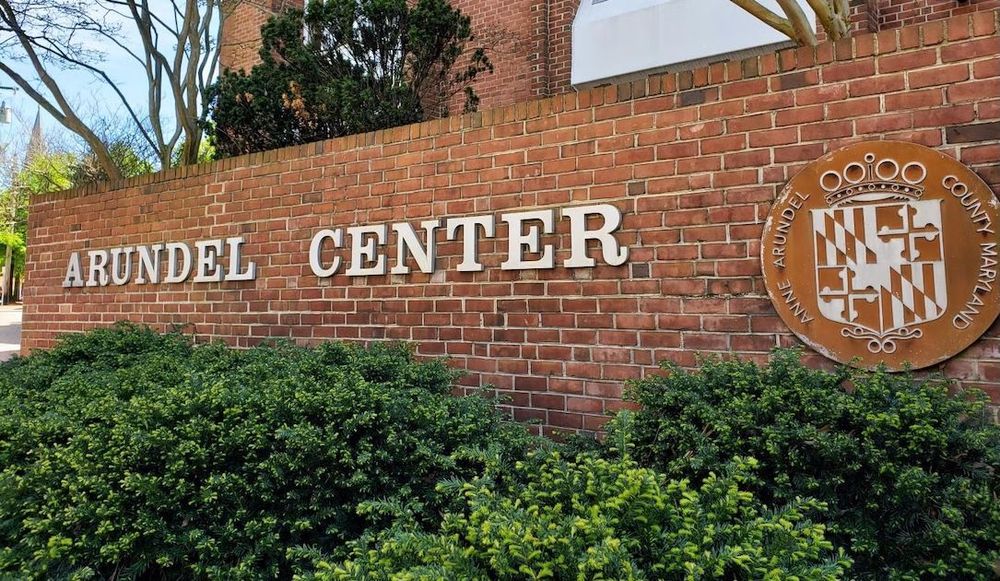
Anne Arundel County, Maryland, home to more than 600,000 residents and the state capital of Annapolis, confirmed on October 16 that it suffered a second cybersecurity incident this year. County officials said that in August they detected what they called irregular activity, opened an investigation into a limited set of systems, and later determined that an unauthorized actor had accessed those systems and copied files. A county spokesperson explicitly called this a separate incident from a 2025 ransomware attack that had already forced the county to shut down multiple systems.
The overlap in timing is what makes this notable. The county is still sending breach notification letters for the 2025 incident, scheduled for October 19, three days after confirming the second breach. That means residents, county staff, and possibly vendors are receiving communications about one incident while a second, unrelated incident's scope is still being assessed. Running two incident response and disclosure timelines simultaneously inside one organization is an operational strain that most breach playbooks do not anticipate, because they are written assuming one incident at a time.
Who is behind the second attack and what they want
The Rhysida ransomware gang has claimed the August attack and is threatening to leak 2.6 terabytes of documents unless the county pays $2 million. Rhysida is not a new or unknown actor. It has previously targeted the governments of Berlin, Kuwait, Seattle, Columbus, Ohio, and Maryland's own transportation department, a pattern that suggests the group has found government targets reliably profitable, likely because public sector victims face political pressure to restore services quickly and often have weaker backup and segmentation practices than their budgets would suggest they should.
The county has not said whether it will pay. What it has said is that it notified federal law enforcement and other government agencies, and that it is still reviewing the stolen files to determine whether resident data is involved. A spokesperson noted that recent reporting shows a surge in cybercrime specifically targeting state and local governments, citing outages in the past two weeks affecting jurisdictions in New Mexico, Utah, Texas, Nebraska, Missouri, and Arizona.
Why a second hit in one year is the real signal
A single ransomware attack tells you an organization had an exploitable gap. A second, unrelated attack by a different group within the same calendar year tells you something more specific: the remediation after the first attack likely addressed the symptom that was publicly disclosed without addressing the underlying conditions that made the environment exploitable in the first place. Shutting down the specific systems hit in 2025 and rebuilding them does not fix weak network segmentation, excessive standing access, or inadequate monitoring elsewhere in the environment, and attackers that scan for soft targets will find whatever is left exposed.
This pattern is common enough in incident response work that it has a name among practitioners: remediation theater, where visible, headline-driven fixes get applied to the breached system while the broader access and monitoring debt that enabled the breach goes unaddressed. Boards and county councils, like corporate boards, tend to ask whether the specific hole got patched. They rarely ask whether the organization's access model as a whole changed. Anne Arundel's second incident is what happens when that second question goes unasked.
The disclosure timing problem this creates
Sending breach notification letters for incident one while incident two's scope is still under review creates a credibility problem that has nothing to do with the technical response. Residents who receive an October 19 letter about a 2025 breach, three days after reading news coverage of an August breach, reasonably wonder whether the organization has its incident history straight, or whether notifications are simply backed up in a queue. Neither interpretation is good for public trust, and the same dynamic plays out inside enterprises when legal and communications teams are managing multiple breach disclosures on staggered timelines.
The practical lesson is that disclosure cadence needs its own project management, separate from the technical incident response. If your organization has more than one active breach investigation at a time, map out every scheduled notification, regulatory deadline, and public statement across both incidents before any of them go out, so that customers, regulators, and your own leadership are not left trying to reconcile two overlapping narratives on their own.
What retail and SaaS CTOs should take from a government breach
It is tempting to read a county government breach as someone else's problem, under-resourced public IT, legacy systems, insufficient budget. Some of that is true and some of it is not an excuse available to a well-funded PE-backed SaaS company or a retail chain running modern cloud infrastructure. The actual lesson transfers cleanly: if your post-incident remediation plan after any security event is scoped narrowly to the specific system or vulnerability that was publicly disclosed, you have not actually reduced your risk of a second, different incident.
Rhysida's target list, which spans multiple governments across different countries, also says something about how ransomware groups choose victims: they find organizations with exploitable access gaps and acceptable payout odds, with little regard for sector loyalty. A retail or commerce company with poor access hygiene is just as attractive a target as a county government, and the group that hits you the second time will not care that you already had your one breach this year and feel you have paid your dues.
The access review your board should be asking for
Concretely, any organization that has had a breach in the last twelve months should be able to produce evidence of three things beyond patching the originally disclosed hole: a completed privileged access review across the full environment, not just the affected systems; updated network segmentation that limits lateral movement from any single compromised account; and monitoring coverage that would catch the specific technique used in the first attack if it were attempted anywhere else in the environment. If your organization cannot produce evidence of all three, you are exposed to exactly the sequence Anne Arundel County is now living through in public.
The county's situation will likely resolve the way most of these do: a ransom decision made quietly, notification letters sent on a legally compliant but confusing schedule, and a promise of enhanced security that may or may not survive the next budget cycle. The more useful outcome, for anyone reading this as a cautionary tale rather than a news item, is using it as the occasion to ask your own security team whether your last incident's remediation plan actually closed the structural gap or just the one door that got kicked in.