amana puts platform and IT under one executive
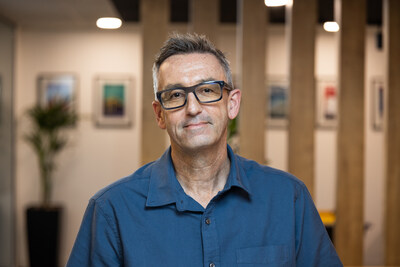
amana, a mobile-first neobroker serving more than 500,000 users across the MENA region, named Andrey Artamonov as its Chief Technology and Information Officer on July 6, 2026. The mandate is deliberately broad. Artamonov will lead the technology organization across application development, corporate IT, business intelligence, cybersecurity, cloud infrastructure, and platform operations, with a stated focus on strengthening the platform and supporting expansion into new markets. That single sentence spans two jobs that many companies keep separate: the CTO who builds the product and the CIO who runs the internal technology estate.
The combined title is the story. amana offers access to more than 6,800 assets, including over 1,200 MENA stocks alongside US equities, metals, ETFs, and foreign exchange, through a single mobile interface. Running a trading platform at that breadth is demanding on its own, and layering corporate IT and security onto the same remit is a choice about how the company wants technology governed. For any scaling business that has debated whether to split or merge these functions, amana just made its call, and the reasoning behind it is instructive.
The combined CTIO title is an org-design decision
Merging technology and information leadership under one person is a pattern showing up across scaling companies in 2026, and it reflects a real tension. Keep the CTO and CIO separate and you get specialization, with one leader obsessed over the customer platform and another over internal systems and security. Combine them and you get coherence, with a single owner accountable for how all technology decisions fit together. amana chose coherence, which is the more common answer for companies large enough to need serious internal IT yet still small enough that two competing technology fiefdoms would slow them down.
The risk in a combined role is bandwidth. Product engineering and corporate IT each expand to consume a leader's full attention, and at sufficient scale one function inevitably gets shortchanged. The judgment amana is making is that it has not yet reached that threshold, and that the benefits of unified ownership outweigh the cost of divided focus. For technology leaders weighing the same question, that is the decision framed cleanly: combine while a single leader can credibly hold both, and plan to split when the seams start to show. Getting the timing wrong in either direction is expensive.
amana hired a builder from the vendor side
Artamonov's background is the second signal worth reading. He spent 17 years at Devexperts, a global trading-technology provider, including nine years as its Chief Technology Officer leading an engineering organization of more than 700 people building trading platforms, brokerage systems, and wealth-management solutions for clients across the US, Europe, the Middle East, and East Asia. He then founded TripleA Digital, a Lisbon-based consultancy specializing in automation and AI for financial workflows. That is a career spent building the systems that brokers buy, now moving in-house to run one.
Hiring a vendor-side builder to lead an in-house platform tells you something about amana's ambitions. A company content to assemble its stack from purchased components does not typically recruit a CTO who spent two decades building those components. It signals intent to own more of the technology that differentiates the business, which is a build-versus-buy stance leaning toward build. CEO Muhammad Rasoul said Artamonov has spent his career developing technology for some of the world's leading financial institutions, and that framing positions the hire as a capability upgrade rather than a maintenance appointment.
Regulated fintech keeps security with the platform
Putting cybersecurity inside the same mandate as platform operations is the correct instinct for a regulated broker. Security in financial services cannot be a separate department that reviews the platform after it is built, because the platform is the regulated surface. When one executive owns both the trading systems and the security controls that protect them, security decisions are made alongside architecture decisions rather than imposed afterward. For a business holding customer funds and executing trades, that alignment is a structural advantage, not a convenience.
The mandate's explicit mention of expansion into new markets makes this sharper. Every new market a broker enters brings a new regulator, new licensing, new data-residency rules, and new security expectations. A leader who owns platform, cloud, and security together can build those requirements into the architecture as the company expands, rather than retrofitting compliance market by market. That is the practical case for the combined role in regulated fintech: it keeps the people building the platform and the people securing it as the same team, reporting to the same executive, working to the same roadmap.
The AI and automation subtext
Artamonov's most recent venture, TripleA Digital, focused on automation and AI for financial workflows, and that detail hints at where amana wants this hire to lead. A broker's most valuable automation is rarely customer-facing. It lives in reconciliation, trade settlement, fraud and risk monitoring, and the onboarding and know-your-customer processes that scale poorly when done by hand. Bringing in a leader who built a consultancy around automating exactly those financial workflows suggests amana intends to embed automation into its operational core as it grows, rather than treating AI as a marketing feature bolted onto the app.
For technology leaders, that is the more durable read on AI in financial services. The wins that survive a regulator's scrutiny and an auditor's questions come from automating repeatable, high-volume back-office work with clear controls and audit trails. amana pairing a combined technology mandate with a leader steeped in financial-workflow automation is a coherent bet. It puts the person who owns the platform and its security in charge of deciding where automation is safe to deploy, which is the right place for that judgment to sit in a regulated business.
What amana's choice signals for scaling companies
Strip away the region and the sector and amana is a company at a familiar inflection. It has a working platform, real scale, and a growth plan that depends on entering new markets, and it has decided that the way to support that is to consolidate technology and information leadership under one senior builder. That is a template many scaling companies will recognize, whether they run a trading app, a SaaS product, or a commerce platform. The forces pushing toward a combined technology chief are the same: the need for coherence, the cost of internal turf wars, and the desire to own more of the differentiating stack.
The decision this surfaces for peers is not whether the combined role is universally right, because it is not. It is whether your company is currently in the window where one leader can hold both product and internal technology without dropping either. amana believes it is, and it hired accordingly. Revisit that judgment as you grow, because the same structure that creates coherence at one scale creates a bottleneck at the next. The useful discipline is naming the threshold in advance and watching for it, rather than discovering it after the platform or the internal estate has been neglected.