A Budget Line That Reframes the Retail Roadmap
When 37 percent of retailers name a single technology as their top planned digital investment for the next three years, we pay attention, because retail budgets rarely converge on one idea. That is exactly what the latest PYMNTS Intelligence report, "Global Digital Shopping Index: The AI-Powered Shopper Has Arrived," commissioned by Visa Acceptance Solutions and published on July 1, found: AI shopping assistants now sit at the top of the retail investment agenda. The survey covered 5,841 consumers and 1,185 merchants across the United States, Brazil, and the United Arab Emirates, which gives the finding more weight than the usual single-market snapshot.
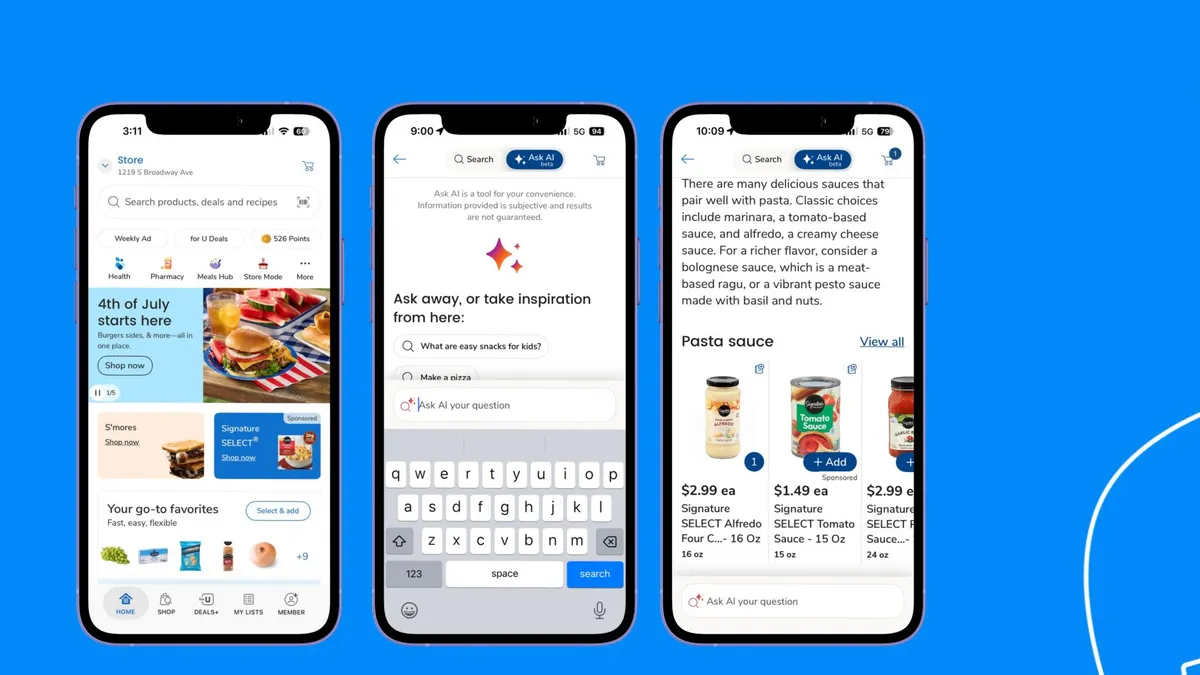
We read this as a shift from experimentation to allocation. For two years, agentic commerce lived in press releases and pilot programs. A one-third plurality of merchants committing capital moves it into the category of table stakes, and it reframes the question every commerce leader is now asking. The debate is no longer whether to fund an AI assistant, but whether the version being funded can actually meet shoppers who, as the same data shows, have already changed how they buy.
The Shoppers Arrived Before the Budgets Did
The most uncomfortable figure in the report is not about merchants at all. It is that 47 percent of online shoppers used some form of AI during their most recent purchase, comparing products, researching options, and gathering information before they ever reached a checkout. That is close to half of digital buyers already routing part of their journey through a model, whether the retailer built for it or not. Demand, in other words, is running ahead of supply, and the gap is where competitors will win or lose share.
The forward-looking number is just as pointed: 64 percent of consumers expect to use AI shopping agents within two years. We treat expectation data cautiously, because stated intent rarely converts one to one into behavior. Even so, a two-thirds majority anticipating agent-driven shopping tells retail leaders where the demand curve is heading. The uncomfortable implication is that the shopper is training on someone else's assistant right now, and every day without a native experience is a day of behavior forming outside the retailer's walls.
The Price-Matching Gap Is a Warning
Buried in the survey is a mismatch that should worry merchandising teams: 61 percent of consumers said they demand price matching, while only 47 percent of merchants offer it. In a pre-AI world, that gap was survivable, because comparison shopping took effort and most customers did not bother. Agentic commerce removes the effort. An assistant can check competitors, surface a lower price, and flag the difference in the time it takes to phrase a question.
We think this is the quiet story inside the AI-shopper narrative. The same tools that let retailers personalize and convert also arm the shopper with instant, frictionless price transparency. Retailers that treat AI purely as a conversion engine, while ignoring the demands it makes on pricing and policy, are building a storefront that will lose the very comparisons it invites. The assistant cuts both ways, and the merchants who understand that will design their pricing rules before they design their chatbot.
What Visa Is Actually Selling
It is worth naming who commissioned this research. Visa Acceptance Solutions did not fund a study on AI shoppers out of pure curiosity. Visa sits at the settlement layer of commerce, and agentic checkout is a direct threat to, and opportunity for, the networks that move money. If agents are going to buy on a shopper's behalf, someone has to authenticate the agent, authorize the transaction, and manage the fraud exposure that comes with a machine holding the card.
We read the report, then, as both an honest data set and a strategic argument. The numbers are credible and the sample is large, but the conclusion Visa wants retailers to draw is that the payment rails and trust infrastructure matter as much as the model. That is self-interested, and it also happens to be true. The hard part of agentic commerce was never the conversation. It is the accountability when the machine spends real money, and that is the layer Visa intends to own.
Measurement and Trust Are Still the Bottleneck
For all the momentum, the report echoes a problem the broader retail media and AI conversation keeps circling: trust in the data remains thin. Consumers will use AI to research, but they still want price guarantees, human recourse, and evidence that the assistant is working for them rather than the retailer's margin. The 14-point price-matching gap is one symptom. The persistent skepticism about whether an assistant surfaces the best product or the best-sponsored product is another.
Our view is that the winners will treat trust as a product feature, not a compliance checkbox. That means transparent sourcing, honest comparisons, and a willingness to show the shopper a competitor's better price rather than hide it. Retailers who use AI to manipulate will get caught, because the shopper has an AI of their own. The relationship that survives is the one where the assistant demonstrably serves the customer, and that is a harder thing to build than a chat window.
What Commerce Leaders Should Do Now
The practical takeaway is not to rush a chatbot into production. It is to treat the AI shopper as an existing customer segment rather than a future one. Nearly half of online buyers are already using AI, so the audit starts with a simple question: when a shopper arrives via an assistant, what does our storefront actually return? If the answer is a generic product grid with no structured data, no conversational attributes, and no pricing discipline, the investment plurality captured in this survey will not save the business.
We would prioritize three moves. Get the product data clean and machine-readable, because agents cannot recommend what they cannot parse. Set pricing and matching policy deliberately, because transparency is now automated. And decide where the assistant sits, on the retailer's own surface or inside a third party like Google or ChatGPT, because that choice determines who owns the customer relationship. The 37 percent who named AI their top investment have made the easy decision. The hard ones start now.