A Security Vendor Hands the Keys to a Career Spy
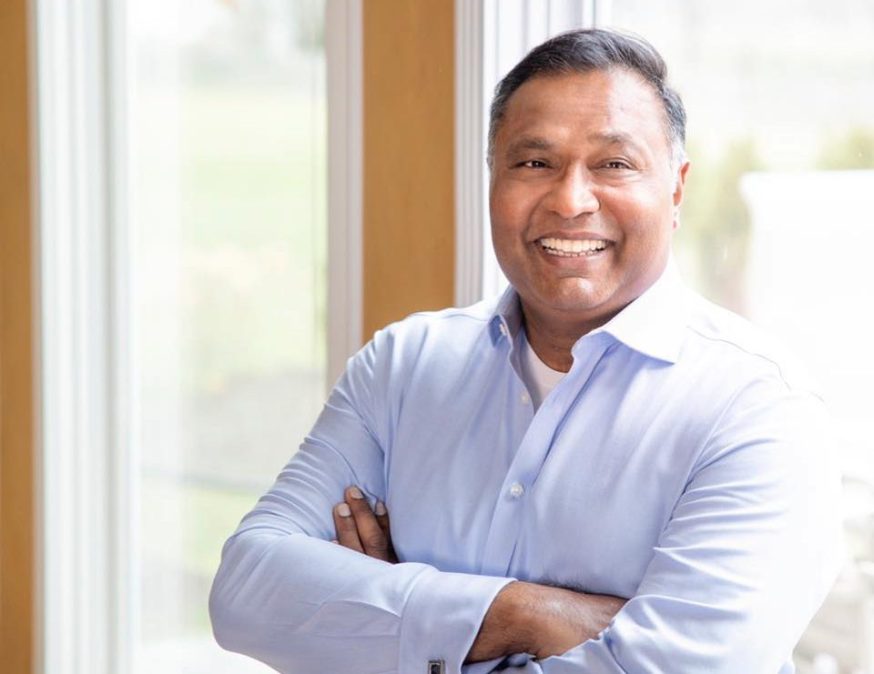
When a company that once sat at the center of the most consequential software supply chain compromise in modern memory names a new chief information security officer, we pay attention. SolarWinds announced on June 17, 2026 that Justin Henkel would take the CISO role, and the choice is not incidental. Henkel spent nearly a quarter century as an intelligence officer in the United States Air Force, from 2001 to 2025, before moving into private sector security leadership. For a vendor whose brand became shorthand for nation state intrusion, hiring a leader steeped in the intelligence community reads as a deliberate statement about how it now wants to be understood by buyers.
The appointment closes a loop that began with the Sunburst campaign, when attackers compromised the Orion platform and reached thousands of downstream customers, including federal agencies. In the years since, SolarWinds rebuilt its engineering and security practices under a Secure by Design banner and made resilience its central marketing claim. Placing an intelligence veteran in the CISO seat gives that narrative a human anchor. It also raises the bar internally, because the person now accountable for defending the company has spent a career studying exactly the kind of patient, well resourced adversary that once turned its flagship product into a distribution channel.
Why This CISO Seat Carries Extra Weight
Most CISO hires are internal news. This one is a market signal. SolarWinds is not simply protecting its own network, it is selling observability and IT management software that sits deep inside customer environments. That dual role means the company's own security posture is inseparable from its product credibility. Every prospect evaluating SolarWinds today asks a version of the same question, which is whether the vendor has genuinely changed since 2020 or merely rebranded. The CISO is the executive most directly responsible for answering that question, both in audits and in the harder currency of customer trust.
We think the stakes explain the profile of the hire. President and chief executive Sudhakar Ramakrishna framed it in exactly those terms, saying Henkel's "breadth of experience across government and industry makes him exceptionally well positioned to strengthen our resilience posture." Ramakrishna himself joined in the immediate aftermath of Sunburst, so the continuity of message matters. Resilience, not prevention, is the word the company keeps returning to, an admission that no vendor can promise it will never be breached, only that it can withstand and recover when tested. Henkel is being hired to make that promise credible.
What Henkel Actually Brings
Henkel arrives from OneTrust, where he spent nearly five years, starting as head of the CISO Center of Excellence and rising to deputy CISO. In that work he built a portfolio centered on enterprise risk, resilience, and security operations, the practical machinery of running security at scale rather than the theory of it. Before OneTrust he held cybersecurity leadership roles at CME Group and at iSIGHT Partners, the threat intelligence firm later absorbed into the broader FireEye orbit. That lineage matters, because threat intelligence is precisely the discipline that separates organizations that see an intrusion coming from those that read about it afterward.
His military service supplies the rest of the picture. Two decades as an Air Force intelligence officer, from 2001 to 2025, means Henkel spent his formative career thinking about adversaries as organizations with budgets, doctrine, and patience. He pairs that with a master's degree in intelligence studies and an executive certificate in technology and operations from the MIT Sloan School of Management. The combination, intelligence tradecraft plus operational management plus vendor side risk leadership, is unusually well matched to a company whose defining crisis was a slow, deliberate, state aligned campaign rather than an opportunistic smash and grab.
The Language of Resilience Is the Strategy
Read Henkel's own words and the strategic intent becomes clear. He described seeing "a company that has shown both singular resilience and genuine innovation," and said he believes "together we'll set a new standard for operational resilience." Note the repetition of resilience, the same term the chief executive used. This is not accidental corporate messaging. It reflects a genuine shift in how mature security organizations talk about their mission, away from the fantasy of perfect prevention and toward measurable recovery, containment, and continuity. For a vendor that was breached in the most public way imaginable, that framing is both honest and commercially necessary.
We would argue this vocabulary is spreading across the enterprise for good reason. Boards no longer accept the promise that a breach will never happen, because they have watched too many well defended organizations fall. What they want now is evidence that an incident will be detected quickly, contained tightly, and survived without existential damage. A CISO who talks in those terms, and who has the intelligence background to know what a serious adversary looks like, is speaking the language that risk committees increasingly demand. Henkel's hire is a bet that credibility on resilience is now a product feature, not just a compliance checkbox.
What Enterprise Buyers Should Take From It
For CIOs and CISOs evaluating their own vendor risk, the SolarWinds appointment is a useful case study in how a compromised supplier rehabilitates trust. The pattern is instructive: new leadership at the top, a rearchitected security program, a consistent public narrative, and now a marquee security hire whose resume is designed to reassure the most skeptical government and regulated buyers. Whether it works will show up in renewal rates and in the willingness of federal customers to keep the software inside sensitive environments. Trust, once broken at that scale, is rebuilt slowly and is easily lost again.
There is a broader lesson for enterprises building their own security leadership. The profile SolarWinds chose, heavy on intelligence and threat analysis rather than pure compliance, reflects where the CISO role is heading. As attacks grow more targeted and supply chains become the preferred path in, the executives most valued are those who can think like an adversary and translate that thinking into operational defense. Companies that still treat the CISO as a checkbox officer, focused mainly on audits and frameworks, are increasingly out of step with the threat they actually face.
Our Take
We read this hire as SolarWinds finishing a chapter it did not choose to open. Sunburst forced the company into a years long project of proving it had changed, and a CISO with deep intelligence roots is a fitting capstone. The appointment will not by itself convince every wary customer, and it should not, because trust in security is earned through sustained behavior rather than personnel announcements. But it is the right kind of signal, matching the seriousness of the person to the seriousness of the history.
The more interesting question is whether the resilience framing that SolarWinds and Henkel keep repeating becomes the industry standard for how vendors talk about their own security. We suspect it will, because it is the only honest position left. No supplier can guarantee it will never be breached. The ones worth trusting are those willing to say so plainly, and to show the operational depth behind the claim. On that measure, SolarWinds has made a defensible choice, and the rest of the market would do well to watch how it plays out.