The financing method has changed faster than the buildings have
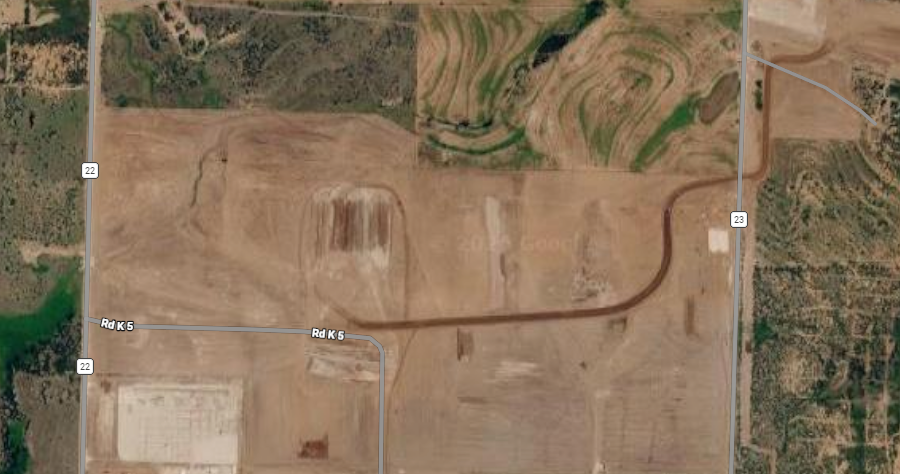
Every month in 2026 has brought a bigger AI data center financing deal than the one before it. In April, Meridian Arc HoldCo, a joint venture between Next Frontier and Fluidstack-owned entities, priced 5.7 billion dollars of 6.25 percent senior secured bonds to fund two Indiana data centers delivering 430 megawatts of critical IT load. Per LCD, the deal is the largest AI-driven financing completed in the high-yield bond market to date, arriving in a week that saw 16.5 billion dollars of total high-yield issuance, the highest since September 2020.
What makes the Meridian Arc deal a template rather than a one-off is its structure: the entire 430 megawatts is leased to Fluidstack under a 15-year base lease, and the lease itself is guaranteed by Google. Bondholders are not underwriting Meridian Arc's business. They are underwriting Google's creditworthiness as a lease guarantor, wrapped around a construction project. That structure, a hyperscaler's balance sheet standing behind someone else's debt, is becoming the default way large AI campuses get funded.
Securitization is scaling even faster than bonds
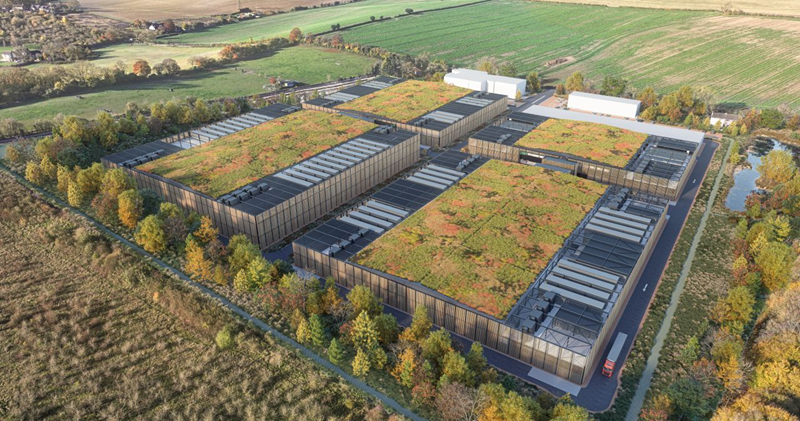
Bond deals like Meridian Arc's sit alongside an even faster-growing channel: asset-backed securitization. Kroll Bond Rating Agency counted 27 billion dollars of data center securitization issuance in 2025. Impax, citing BofA Global Research, expects that figure to exceed 40 billion dollars in 2026, against an estimated 150 billion dollars of permanent financing needed for data centers completing in 2026 and 2027. Cloud Capital, a data center investment manager, demonstrated the mechanics in July with a 520 million dollar bond secured by a single 80 megawatt hyperscale data center in Northern Virginia, leased to one investment-grade tenant and rated AAA by Fitch, Morningstar DBRS, and Kroll.
Cloud Capital issued that deal through a newly created ABS Master Trust, a standing structure it can issue against repeatedly, and it is the firm's second such trust after raising 1.325 billion dollars in an earlier securitization in December 2024. The firm has bought 30 data center assets worldwide worth over 12 billion dollars since 2020. Separately, BlackRock has sought to sell more than 12 billion dollars in bonds tied to a Texas data center campus held through a holding company in which Meta owns a 20 percent stake alongside BlackRock's 80 percent.
The risk analysts keep flagging
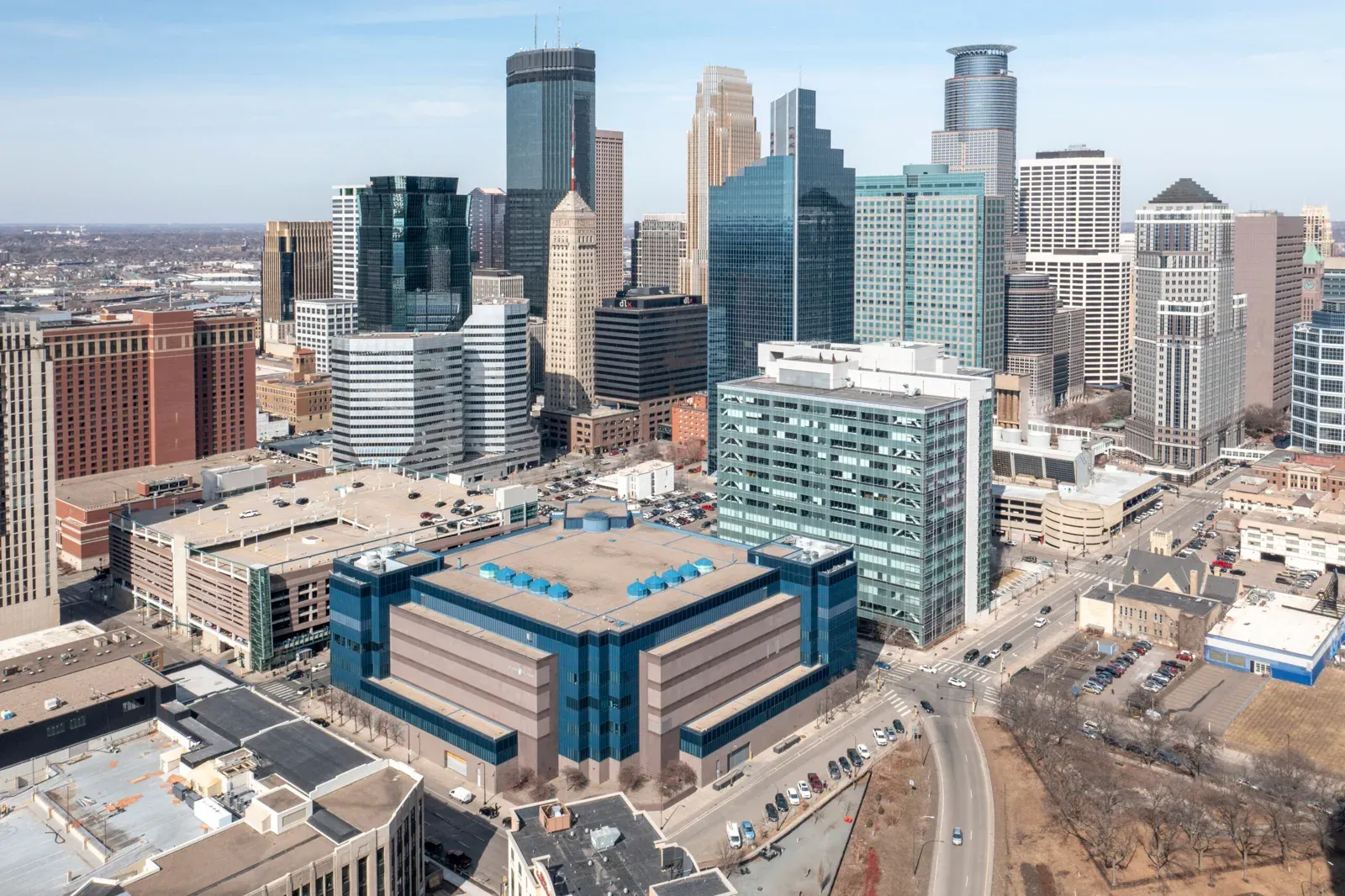
The structural concern across all of these deals is the same, and it is not exotic: concentration and renewal risk. Data center buildings are physical assets expected to last 15 years or more, but the AI hardware racked inside them turns over on a much faster cycle, often three to five years. Bondholders are repaid from lease income, and that income depends on a tenant renewing or re-leasing the space at comparable rates once the hardware inside it is obsolete and the original AI workload has moved on.
Analysts covering this market note that collateral is concentrating around a small number of well-capitalized hyperscale tenants, Google, Meta, Microsoft, and the AI labs they back. That looks safe today because those tenants are investment-grade. It becomes a real question the moment any one of them slows AI capital spending, consolidates workloads, or renegotiates a lease downward at renewal. The data center securitization market remains a small share of the roughly 4.5 trillion dollar US securitized market overall, but it is growing from a standing start, which means its risk characteristics are still being discovered in real time.
Why this belongs on a CTO's radar, not just a CFO's
If your organization signs multi-year capacity or compute commitments with a hyperscaler, a neocloud, or a colocation provider, the financing structure underneath that vendor's infrastructure is no longer a background detail. A vendor whose data center capacity is financed through lease-backed bonds or securitization has effectively pre-committed that capacity's economics to bondholders for the life of the debt. That can be a stabilizing force, since the vendor has less room to abandon a site mid-contract, but it can also mean less flexibility to renegotiate terms in your favor if market conditions shift, because the vendor itself is locked into covenants.
It also changes how you should read a vendor's financial stability. A hyperscaler or neocloud with billions in off-balance-sheet, lease-backed debt looks cleaner on its own income statement than the underlying obligations suggest. Ask your vendor management or legal team to understand whether your contract's capacity commitments are tied to a financing structure like these, and what happens to your service if the financing entity, not just the operating company, runs into trouble.
What to do with this before your next renewal
Treat this financing wave as confirmation that AI infrastructure capacity is being built at a pace and scale that only debt markets, not corporate balance sheets alone, can fund. That is broadly good news for supply, since it means more capacity is coming online than equity financing alone would support. But it also means the vendors building that capacity are taking on long-dated, inflexible obligations to repay it, and your contract sits downstream of those obligations whether you negotiated around them or not.
Before your next major cloud or colocation renewal, ask a direct question most procurement teams have not been asking: is the capacity you are leasing financed through a structure like these, and if so, what lease renewal terms does the underlying financing assume. A vendor that cannot or will not answer that question clearly is a vendor whose capacity commitments to you may be less firm than the SLA implies.