The number kept moving, and that is the real story
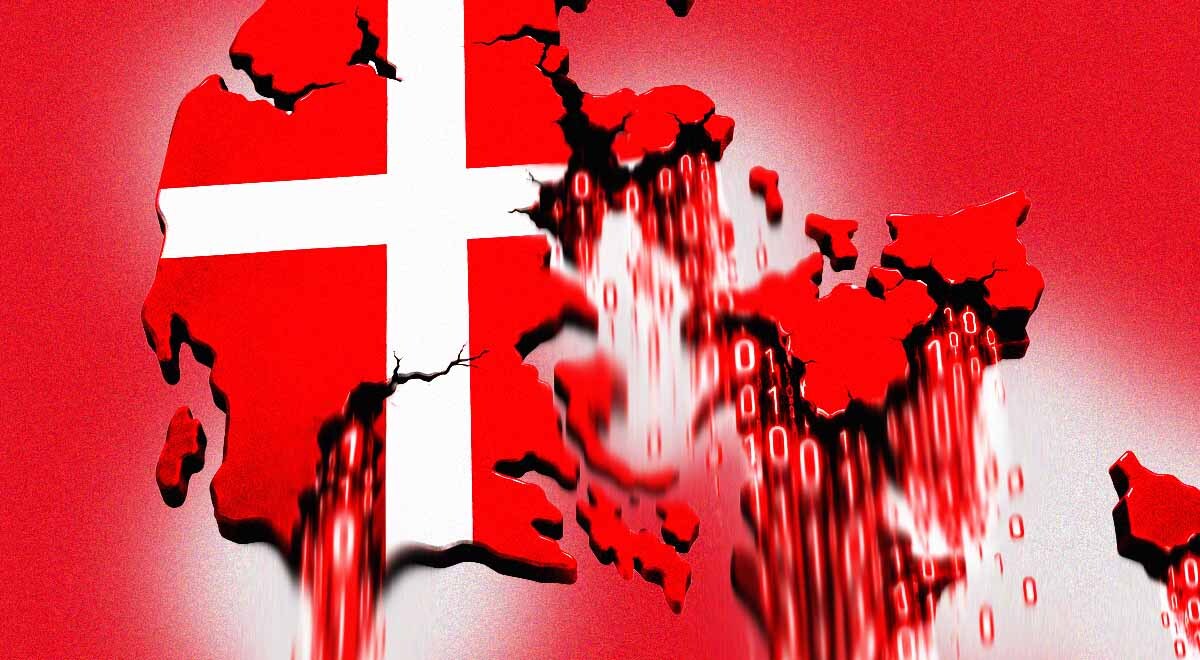
When Oracle Health first notified customers in March 2025, the picture looked contained: a cybersecurity event touching some amount of Cerner data on a server that had not yet made the jump to Oracle Cloud. Over the following eighteen months, the picture stopped looking contained. A Texas attorney general filing reported by Bloomberg on October 5, 2026 puts the number at roughly 20 million people, with about 3 million of them Texans. Becker's Hospital Review, citing that filing, says this is the first time Oracle has disclosed a total figure publicly, more than a year and a half after the intrusion began.
That gap between first notice and first total is the detail CTOs should sit with. A breach disclosed in stages usually signals that the organization did not actually know the scope of what sat on the affected system when it first spoke, a deeper failure than the communications misstep it looks like from the outside. If you cannot answer 'how much production data lives here and whose is it' on day one, your incident response timeline is already broken before the first press release goes out.
The cause is a migration project that never finished
Strip away the ransom notes and the FBI investigation, and the technical cause is almost mundane: attackers used compromised customer credentials, reported around January 22, 2025, to reach an older Cerner server that held data not yet moved to Oracle's cloud. Oracle bought Cerner in 2022 for 28.4 billion dollars specifically to build a modern, cloud native health data platform. Three years later, a pre-acquisition legacy server was still live, still holding real patient records, and still reachable with stolen credentials.
This is an acquisition integration failure wearing a security incident's clothes. Every PE-backed platform that has bolted together three or four acquired companies has some version of this server sitting somewhere: a database nobody fully owns, kept alive because migrating it is expensive and nobody wants to be the one who breaks a customer workflow. Oracle had the balance sheet to finish the Cerner migration years ago. The fact that it did not should change how every CTO reading this budgets the last 10 percent of any acquisition integration.
What got exposed, and why it is expensive
Becker's reports the stolen data included home addresses, Social Security numbers, and medical information, the combination regulators and plaintiffs' attorneys treat most seriously because it supports both identity theft and medical fraud. At least 29 hospitals and health systems have been named as affected, spanning regional providers and systems with Department of Veterans Affairs and Defense Department ties, though a VA spokesperson said in March 2025 that the agency itself was not affected.
The FBI investigated the intrusion, including attempts by the attackers to extort individual hospitals directly for payment to avoid having patient data leaked. Oracle Health now faces litigation over the incident and declined to comment to Bloomberg on the new total. That combination, active litigation plus a rising casualty count disclosed through a state regulator rather than the company itself, is the shape every CISO fears and every CTO should be modeling into their own vendor risk assessments of large platform consolidators.
The lesson is about inventory, not encryption
It is tempting to read this as an encryption or access control story. The more useful read is an inventory story. Oracle did not lose track of a document, it lost track of a server, in a system it had owned for years and had every resource to decommission. That is the failure mode that hits PE-backed companies hardest: serial acquirers accumulate systems faster than they retire them, and the retirement work competes for budget against features that show up on a roadmap slide.
If your organization has acquired two or more companies in the past five years, the question this story should trigger is simple and uncomfortable: do you have a complete, current list of every data store that holds production customer data, who owns it, and when it is scheduled to be decommissioned or migrated. If the honest answer involves the word 'roughly,' you have a Cerner server of your own, and you just do not know its name yet.
What this means for the data platform roadmap
For CTOs evaluating consolidation onto a single governed data platform, Oracle Health's experience is an argument for finishing the job, not for avoiding the move. The exposure here came from the parts of the estate that migration left behind, not from the modern Cerner-on-Oracle-Cloud environment itself. A half-migrated platform carries the operational cost of running two systems at once, the licensing and staffing overhead of maintaining both the old and new environment, and the risk profile of whichever system is weaker, which is almost always the one slated for retirement rather than the one actively being hardened and monitored.
Build the decommissioning timeline into the original acquisition business case, with a named executive owner and a hard date, not a someday line item that rolls forward every budget cycle. Treat any system still holding production PII twelve months after an acquisition closes as a standing incident waiting to be disclosed, because on the evidence of this week, that is exactly what it is. The cost of finishing a migration on schedule is a known, budgeted number. The cost of a breach disclosed three years later through a state regulator's filing is not a number any CTO wants to discover in public.
The board conversation this forces
Boards at PE-backed companies are going to ask about this breach in the next cycle of risk reviews, because a 28.4 billion dollar acquirer with Oracle's security resources still let a legacy server sit exposed for years. That sets a low bar that makes every smaller platform's excuses less credible, not more. The honest answer to 'could this happen to us' is yes, if the inventory of acquired systems is not current and owned.
The more useful board conversation is forward looking: what is our decommissioning backlog, what does it hold, and what is the dollar cost of finishing it compared to the cost of a 20 million person disclosure three years from now. Oracle has already shown the market what that second number looks like in litigation exposure and reputational drag. Price your own backlog against it before a regulator's filing does the pricing for you.